By Claire Whitaker
Updated November 2026
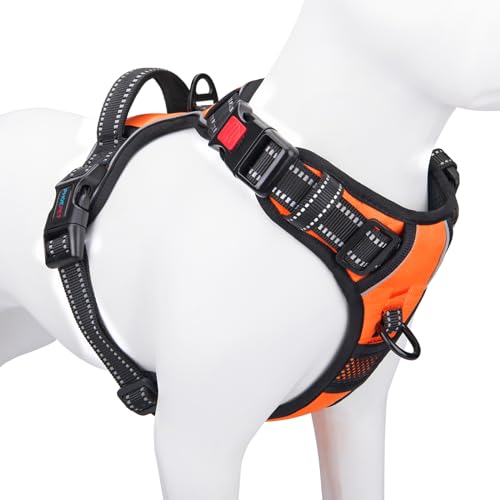
The 2 Hounds Freedom no-pull dog harness is designed to reduce pulling by redirecting your dog’s forward motion toward your side. This guide walks you through choosing the right size, fitting it correctly and using it on daily walks so you get calmer, more manageable outings from the first week.
Choose the Right Size Before You Fit It
Start with measurements rather than the weight chart alone. Measure your dog’s chest at the widest point, just behind the front legs, and the neck at the base where a collar would sit. Compare both numbers to the manufacturer’s size chart, since body shape varies a lot between breeds. If your dog falls between two sizes, choose the larger one and tighten the straps rather than risk a harness that rides up toward the throat.
Fit the Harness Step by Step
A correct fit matters more than the harness model itself. Poor fit causes rubbing, shifts the chest plate out of position and makes pulling control weaker. If you want more background, see 3 Best No Pull Dog Harness Freedom Options for Daily Walks.
- Lay the harness flat and open all buckles and straps.
- Guide your dog’s front legs through the openings, then fasten the buckle behind the neck or along the back, depending on the design.
- Adjust the chest strap so it sits on the breastbone, not on the throat.
- Check that you can slide two fingers under each strap without pinching the skin.
- Attach the leash to the front clip and walk your dog a few steps indoors to confirm the harness stays in place.
Use the Front Clip for No-Pull Control
The front clip is what makes this style of harness work. When your dog lunges forward, the leash pulls the chest plate sideways, which gently turns the dog back toward you instead of letting it drive straight ahead. Keep the leash loose when you can, and stop moving the moment the leash tightens. Resume walking once the leash slackens. Owners often report that consistency matters more than force: each stop teaches the dog that pulling no longer gets them where they want to go. For another angle, check out Freedom Harness Dog Harness: How to Fit and Use One for Calm Walks.
If you are still deciding between clip positions, Front-Clip vs Back-Clip Dog Harness: Which One Is Better? explains the trade-offs in more detail. For a broader comparison of control tools, Dog Leash No Pull vs Standard Leash (2026): Which Is Better for Daily Walks? covers when a no-pull leash helps and when it does not.
Build Good Habits Alongside the Harness
A harness alone will not fix pulling. Pair it with short training sessions in a quiet area. Reward your dog for walking at your side, and change direction whenever the leash goes tight so your dog learns that attention to you leads to the best walks. Keep early sessions to five or ten minutes so the dog stays engaged. For a related fitting guide that applies to most step-in and vest styles, see How to Choose and Fit a Dog Harness.
Check Fit and Wear Regularly
Dogs gain or lose weight, and coats change with seasons. Recheck the fit every few weeks, especially for puppies that are still growing. Look for red marks, flattened fur or signs that your dog is backing out of the harness. Wash the harness according to the manufacturer’s instructions and let it dry fully before the next walk so straps keep their shape.
Common Mistakes to Avoid
- Choosing a size by weight alone, which often leads to a poor chest fit.
- Clipping the leash to the back ring during training, which removes the no-pull effect.
- Tightening straps so much that the harness pinches or restricts breathing.
- Skipping the fit check after the dog gains weight or changes coat thickness.
- Expecting instant results without consistent stops and redirects.
Recommended Gear
A few items make daily use easier:
- A short, sturdy leash that clips to the front ring keeps the no-pull action direct and reduces tangling. View on Amazon
- A soft-tip measuring tape lets you check chest and neck size accurately before ordering. View on Amazon
- Reflective straps or a clip-on light help drivers and other walkers see your dog on early-morning or evening routes. View on Amazon
FAQ
How tight should the 2 Hounds Freedom no-pull dog harness be?
You should be able to slide two fingers under each strap snugly without pinching the skin. Check the fit again after a few days of wear, since the straps may settle. We also found Dog Harness Wonder Walker: How to Fit and Use It for Calm Walks useful on this point.
Can I use this harness for a puppy?
Many owners use no-pull harnesses on puppies, but measure often because young dogs grow quickly. If you are unsure whether the fit is safe for a growing puppy, ask your veterinarian.
Will this harness stop my dog from pulling completely?
It reduces pulling when used with the front clip and consistent stops, but it does not replace training. Most dogs need several weeks of regular practice before walks feel calm.
Conclusion
With the right size, a careful fit and the front clip used consistently, the 2 Hounds Freedom no-pull dog harness can make daily walks far easier to manage. Check the fit regularly, keep training sessions short and reward calm walking. If your dog has joint, breathing or skin concerns, consult your veterinarian before changing harnesses.
Ready to choose one?
About Claire Whitaker
Claire Whitaker is part of our editorial team and reviews and edits our everyday pet gear guides, checking product details against manufacturer specifications and owner feedback.