By Claire Whitaker
Updated November 2026
A 6 foot dog leash is the most common length for everyday walking because it gives your dog room to sniff and move while keeping you in close control. This guide explains when a 6 foot dog leash is the right choice, how to check that it fits your routine, and what to look for in the hardware and material. By the end, you will know whether a standard 6 foot lead covers your needs or whether another style makes more sense.
Why 6 Feet Is the Standard Length
Six feet is long enough that a dog can walk slightly ahead or beside you without tension, yet short enough that you can reach the handle quickly if traffic or another dog appears. Most trainers use this length as a baseline for loose-leash walking. For a dog that pulls, the shorter distance also means less momentum built up between you and the collar or harness.
Shopping for one? See our guide: Bike Leash vs Hands-Free Bike Leash: Dog Leash for a Bike Compared.
How to Check If a 6 Foot Dog Leash Fits Your Walks
- Measure your typical walking space. If you mostly walk on narrow sidewalks, 6 feet keeps your dog from crossing in front of you.
- Note your dog’s size and strength. Small dogs usually manage well on 6 feet; large or strong dogs benefit from a sturdier clip and a comfortable grip.
- Consider your environment. Busy streets and crowded trails favor a fixed length, while open parks may call for something longer.
- Test the length with your dog beside you. The leash should form a gentle curve, not a tight line or a loose loop dragging on the ground.
Materials, Hardware and Handle Design
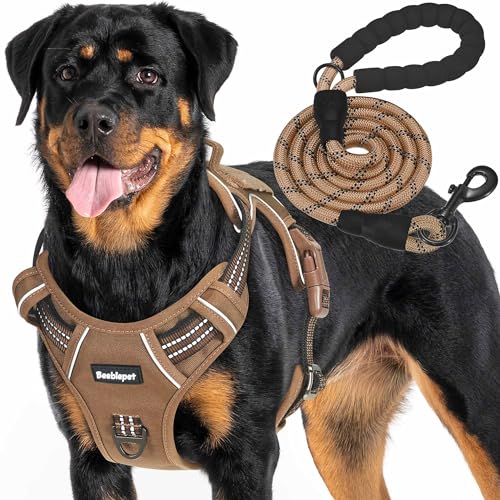
Nylon and polyester are the most common materials for a 6 foot dog leash. Nylon tends to feel softer in the hand, while woven polyester resists moisture and stretch. Check the snap hook: a bolt-snap or trigger hook is easier to attach and less likely to open under load than a basic clip. A padded handle reduces hand strain on longer walks, especially with a dog that pulls. Inspect stitching at both ends every few weeks, since frayed webbing is the most common failure point.
Recommended Gear
- Ruffwear Crag Leash: a sturdy, weather-resistant option that suits dogs who walk on rough trails as well as city sidewalks. View on Amazon
- Blueberry Pet Classic Nylon Leash: a simple, lightweight nylon lead for everyday walks with a small or medium dog. View on Amazon
Common Mistakes and Tips
- Wrapping the leash around your hand. This can cause injury if your dog lunges suddenly.
- Choosing length by appearance alone. Test the leash on a real walk before deciding.
- Ignoring hardware wear. Replace a leash with a cracked clip or frayed webbing.
- Using a 6 foot lead for off-leash-style recall training. A longer line is often better for that purpose; see Long Lead Dog Leash vs Long Line (2026): Which Is Better for Recall Training?.
- Assuming one length works for every situation. Keep a second leash for specific needs.
FAQ
Is a 6 foot dog leash too long for city walks?
Not usually. Six feet keeps your dog close enough to control on sidewalks while still allowing a comfortable stride. If your dog tends to cross in front of you, a slightly shorter lead may be easier to manage. 3 Best Easy Walking Dog Harness for Daily Walks (2026) goes further into this.
Can a 6 foot leash be used for a puppy?
Yes, as long as the clip is light enough that it does not pull on a small collar. Puppies learn best with short, frequent walks, so the length works well. Ask your veterinarian or a certified trainer for guidance on equipment for a young or medium-sized dog.
How do I know when to replace my leash?
Replace it when you see fraying, thinning webbing, rust on the hardware, or a clip that does not close firmly. Inspect it regularly, especially if your dog pulls hard or has been used in wet or salty conditions.
Conclusion
A 6 foot dog leash fits most daily routines because it balances freedom and control. Check the material, hardware and handle comfort before you buy, and test the length on a real walk. Keep a second leash for specialized needs, and replace worn gear before it fails.
Related reading
- Leash for Invisible Dog (2026): Which Should You Choose?
- Invisible Dog Collar and Leash (2026): Which Should You Choose?
- Flexi Lead Dog Leash (2026): Which Should You Choose?
- Dog Leash With Chain vs Nylon Leash (2026): Which Is Better for Daily Walks?
Ready to choose one?
About Claire Whitaker
Claire Whitaker is part of our editorial team and reviews and edits our everyday pet gear guides, checking product details against manufacturer specifications and owner feedback.