 By Ethan Brooks
Updated November 2026
A duit automatic pet cat & dog feeder can put meals on a reliable schedule while you are at work, out for the evening, or away for a weekend. This guide walks through how to pick the right model for your animals, set portions and timing, place the unit so pets actually use it, and troubleshoot the problems owners run into most often. By the end, you should have a feeding setup that matches your pets’ size, appetite, and routine.
What a Duit Automatic Pet Cat & Dog Feeder Does Well
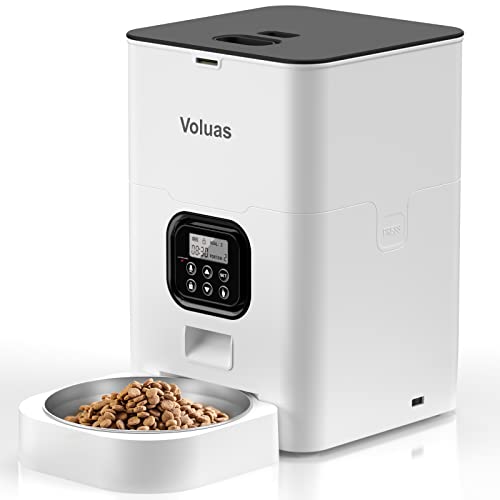
Most timed feeders work on the same basic principle: a food hopper holds dry kibble, a motor or gate releases a measured portion at set times, and the food drops into a bowl. Some models add a removable lid, a stainless or plastic bowl, and a basic display for scheduling. The main benefit is consistency. Pets get meals at the same times every day, which can help with digestion and reduce begging when a household’s schedule shifts.
Shopping for one? See our guide: 4 Best Voluas Automatic Pet Feeder Models for Cats and Dogs (2026).
These feeders are designed for dry food. Wet food, raw diets, and treats with high moisture content can spoil in the hopper or clog the dispensing mechanism, so check the manufacturer’s guidance before loading anything other than kibble.
Step 1: Match the Feeder to Your Pets
Start with the animals, not the feeder. Two questions matter most: how much does each pet eat per day, and do you have more than one animal sharing the unit?
- Portion size: Look up the daily calorie or cup amount on your pet food bag, then divide it across the number of meals you plan to schedule. A 10-pound cat eating two meals a day needs a much smaller portion than a 70-pound dog.
- Hopper capacity: Estimate how many days you need the feeder to run unattended, then add a margin. A hopper that holds three days of food is fine for a short trip; a vacation of a week needs more capacity or a second unit.
- Multi-pet homes: If a cat and dog share a room, a feeder with a lockable lid or a raised platform can keep the dog from raiding the cat’s meal. If two cats need separate food, look at models with separate compartments or multiple feeding stations.
- Kibble size: Check the dispenser’s opening against your food. Large or irregular kibble can jam smaller openings.
Quick Sizing Reference
| Pet Type | Typical Meal Size | Suggested Hopper Use | Feeder Feature to Prioritize |
|---|---|---|---|
| Single indoor cat | 1/4 to 1/2 cup per meal | Up to 3 to 4 days | Small portion increments |
| Two cats, separate needs | Individual portions | Up to 3 days | Multiple stations or separate bowls |
| Small dog | 1/2 to 1 cup per meal | Up to 3 days | Anti-jam dispenser |
| Large dog | 2 to 4 cups per meal | Up to 2 to 3 days | Large hopper and sturdy bowl |
These figures are general ranges. Your food bag and your veterinarian are the authority on the right amount for a specific animal.
Step 2: Set Up the Feeder Correctly
A feeder that is unplugged, unleveled, or loaded incorrectly will fail in predictable ways. Work through this checklist before the first scheduled meal.
- Place the unit on a flat, stable surface. A wobbly counter or a rug edge can throw off the dispensing gate.
- Plug in the unit or insert batteries as the manufacturer specifies. Set the clock first, since all scheduled times depend on it.
- Wash the hopper, lid, and bowl with warm water and mild soap, then dry them completely.
- Fill the hopper with dry kibble. Do not overfill past the fill line printed on most hoppers.
- Run a test dispense, weigh or measure the output, and compare it to your target portion.
- Program the meal times and portion sizes. Start with two to four meals a day for dogs and three to four smaller meals for cats, unless your vet recommends otherwise.
- Watch the first two or three meals closely to confirm the pet is eating on schedule.
Choosing Meal Times
Set times that fit your household rather than trying to mimic the exact schedule of an animal’s previous owner. A common pattern is breakfast before you leave, a midday meal for pets home alone, and an evening meal. For dogs, feeding at least a few hours before strenuous exercise and not right before it is a common guideline. For cats, short, frequent meals can suit appetites that prefer grazing. Adjust gradually if you change the schedule, since abrupt shifts can upset a pet’s routine.
Step 3: Choose the Right Location
Placement affects both how well the feeder works and how much mess you clean up. Keep it in a low-traffic area away from the litter box, since cats avoid eating near their toilet and many owners notice leftover food attracting pests if it sits beside a litter area. Keep it away from heating vents and direct sunlight, which can affect kibble freshness and, on some models, the electronics.
Make sure there is room for the pet to approach comfortably. A dog should be able to stand at the bowl without knocking into a wall, and a cat should not have to squeeze past a closed door to reach it. If the feeder sits on the floor and the dog is a heavy chewer, consider a raised stand so the unit stays out of reach.
Common Mistakes to Avoid
- Skipping the test run. Owners often assume the portion is right. A quick weigh-out prevents underfeeding or overfeeding for weeks.
- Leaving wet food in the hopper. Moisture causes mold and jams. Use the feeder only for dry food unless the maker says otherwise.
- Ignoring the batteries. Many units keep the schedule on battery backup, but a dead battery can stop dispensing. Check it on a set schedule.
- Overfilling the hopper. Kibble can jam the gate or spill over the rim.
- Failing to clean regularly. Oils from kibble build up in the hopper and bowl. Wash both at least weekly.
- Using the same portion for every pet. Cats and dogs in one home rarely need identical amounts.
Tips for Long-Term Success
- Keep a simple log for the first month noting how much the pet eats and any changes in weight or energy.
- Store extra kibble in its original bag or an airtight container, and refill the hopper with fresh food rather than topping off old kibble.
- Test the feeder during a short trip before leaving pets home for a long weekend.
- If a pet stops eating from the feeder, check whether the bowl is too deep, the lid is too loud, or the spot is too busy.
- If your pet has a medical condition or special diet, talk with your veterinarian before setting portions. Automatic feeding does not replace professional guidance on nutrition.
Recommended gear
Several accessories make a duit automatic pet cat & dog feeder easier to run. A clean, stable base keeps the unit from wobbling, and a few simple tools handle the regular maintenance.
- Feeder stand or raised platform: Lifts the unit off the floor so a large dog cannot knock it over, and it can make cleanup easier. View on Amazon
- Digital kitchen scale: Lets you check the dispensed portion against your target in grams, which is more precise than a measuring cup. View on Amazon
- Airtight food storage container: Keeps the reserve kibble fresh between refills and limits pest access. View on Amazon
- Pet-safe bowl cleaning brush: Reaches the seams and corners of the bowl and hopper where food residue collects. View on Amazon
FAQ
Can I use a duit automatic pet cat & dog feeder with wet food?
Most automatic feeders are designed for dry kibble. Wet food spoils quickly at room temperature and can clog the dispensing mechanism. Check the manufacturer’s instructions before using anything other than dry food.
How many days can the hopper run unattended?
It depends on the hopper size and the pet’s daily portion. Divide the hopper’s capacity by the total daily amount to estimate the number of days. Leave a margin for spillage or slow dispensing.
How do I feed a cat and a dog from the same feeder?
Choose a feeder with separate compartments or place the unit where the dog cannot reach it. A raised platform or a lockable lid can keep food separated, and some owners use two units in different rooms.
What should I do if the feeder jams?
Unplug the unit, empty the hopper, and check the dispensing gate for kibble fragments. Confirm the kibble size matches the opening. Clean the mechanism and run a test dispense before reloading.
How often should I clean the feeder?
Wash the bowl and hopper at least once a week, and more often in humid conditions or if food residue builds up. Dry all parts fully before reassembling.
Will my pet eat from an automatic feeder right away?
Some pets adapt quickly and others take several days. Start by placing a small amount of food in the bowl at the scheduled time, then increase the portion gradually. If a pet refuses to eat from the feeder after a week, talk with your veterinarian.
Is an automatic feeder safe for a pet with a medical condition?
Pets with diabetes, kidney disease, or other conditions often need exact portions and timing. An automatic feeder can help with schedule consistency, but portions and meal plans should be set by a veterinarian.
Should I leave the feeder running when I am away for several days?
Yes, as long as the hopper holds enough food and the batteries or power supply are reliable. Test the unit before you leave and ask a neighbor or pet sitter to check on the pet at least once during a longer absence.
Conclusion
A duit automatic pet cat & dog feeder works best when the feeder is matched to your pets’ portions, set up carefully, and placed where the animals will use it comfortably. Test every program before relying on it, clean the unit regularly, and watch how each pet responds over the first few weeks. For any questions about diet, portion size, or a medical condition, consult your veterinarian, who can give guidance specific to your animal.
Related reading
- 7 Best Automatic Pet Feeders for Cats and Dogs: Our Picks Compared (2026)
- 4 Best Automatic Pet Feeder Small Models for Cats and Small Dogs (2026)
- Petsafe Healthy Pet Simply Feed Automatic Cat Feeder: A Practical Guide (2026)
Ready to choose one?
About Ethan Brooks
Ethan Brooks is part of our editorial team and reviews and edits our everyday pet gear guides, checking product details against manufacturer specifications and owner feedback.