 By Claire Whitaker
Updated November 2026
A pet carrier crash test is a controlled impact evaluation that checks how a carrier holds up, and whether it stays latched and intact, during a sudden stop or collision. Few pet carriers are independently crash tested, so most shoppers rely on manufacturer claims. The safest approach is to look for documented testing and to secure the carrier properly in the vehicle.
Why Crash Testing Matters for Carriers
In a crash, an unsecured carrier can become a projectile. Loose carriers can strike occupants, and a carrier that cracks or its door that pops open can let a frightened animal escape onto a roadway. Crash testing aims to measure whether a carrier’s shell, frame and door latches keep their shape under force.
Shopping for one? See our guide: Wheels for Pet Carrier (2026): Which Should You Choose?.
Keep in mind that most pet products are not tested to a recognized automotive standard. When a brand says a carrier is “crash tested,” ask what standard, what speed and what test dummy or load was used. Vague wording usually means limited or no formal testing.
Factors That Affect Carrier Safety in a Crash
Several details matter more than marketing language:
- Frame material. Hard plastic shells and aluminum or steel frames generally hold their shape better than thin fabric alone.
- Latch design. Look for double-locking doors, not a single snap that can pop open under load.
- Attachment points. Some carriers include belt loops or anchor straps for seatbelts. These help only if you use them.
- Fit. A carrier that is too large lets your pet slide and bounce. Your pet should be able to stand, turn around and lie down, but no more than that.
- Ventilation. Openings should not be so large that a paw or nose can get caught or pushed through during impact.
How to Secure a Carrier in the Car
Even a well-built carrier can fail if it rolls around the cabin. Follow these steps every time:
- Place the carrier on the floor behind the front seats or on the back seat, not on the front passenger seat with an active airbag.
- Thread the seatbelt through the carrier’s handle or belt path and buckle it tightly.
- Pull the belt snug so the carrier cannot slide more than an inch in any direction.
- Face the carrier’s door away from the seat back so it does not press against an opening.
- Check the latches and belt before each trip, especially after a hard stop.
- Never place a carrier in the cargo area of an SUV or hatchback without a restraint, since loose items there can shift forward.
What We’d Use
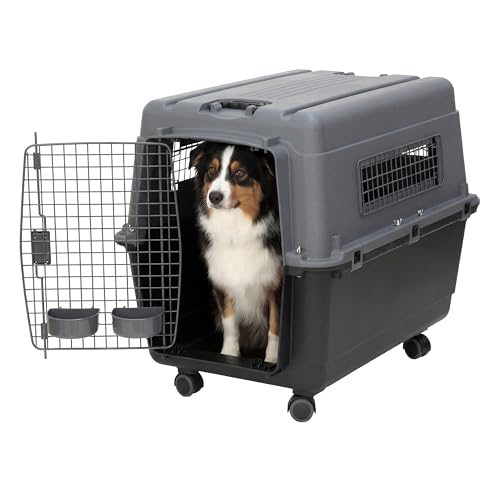
For car travel, a hard-sided carrier with a seatbelt path is the most practical choice. The View on Amazon is a widely sold option with a top and front entry that many owners use in vehicles.
For soft-sided travel, a sturdy carrier with a rigid frame and locking zippers is a better bet than a flimsy tote. The View on Amazon is a common choice for small dogs and cats.
If you are comparing styles, see Soft vs Hard Pet Carriers (and Backpacks vs Totes) and Hard-Sided Pet Carriers and Kennels: Sizing, Latches and Cleaning. For how carriers are judged overall, read How to Evaluate Pet Carriers and Car Gear.
FAQ
Are pet carriers officially crash tested?
Usually not to a recognized automotive standard. Some brands run their own tests, so ask the manufacturer for details before trusting a claim.
Is a carrier safer than letting a pet ride loose?
Generally yes. A properly secured carrier protects both the animal and people in the vehicle. Consult your veterinarian about the best travel setup for your pet’s health and temperament.
Can I use a seatbelt harness instead of a carrier?
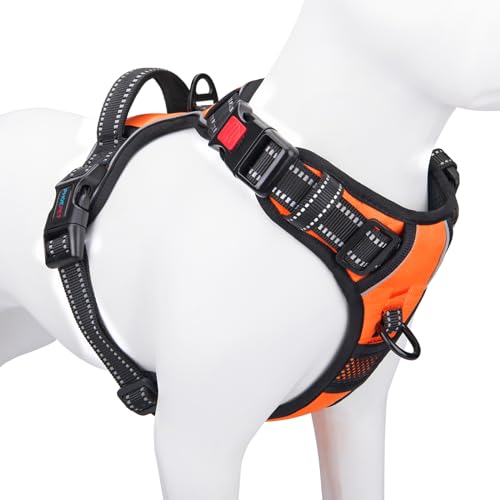
Crash-tested pet harnesses exist and can be a reasonable option for some dogs. Check the manufacturer’s testing claims and confirm the harness fits your pet correctly.
Related reading
- Yudodo Pet Sling Carrier vs Soft Backpack Carrier: Which Should You Choose?
- Spirit Airlines Pet Carrier Size (2026): Soft vs Hard Carriers Compared
- Southwest Airline Pet Carrier Requirements (2026): Soft vs Hard Carrier Compared
Ready to choose one?
About Claire Whitaker
Claire Whitaker is part of our editorial team and reviews and edits our everyday pet gear guides, checking product details against manufacturer specifications and owner feedback.