 By Claire Whitaker
Updated November 2026
A pecute pet carrier backpack lets you carry a small dog or cat on your back or chest while keeping your hands free. This guide walks you through checking whether a pecute pet carrier backpack suits your pet’s size and temperament, fitting it correctly, loading it safely, and getting your pet comfortable inside. By the end, you will know how to run a quick fit test and what to watch for on your first few outings.
Before You Buy: Confirm the Pack Fits Your Pet and Your Routine
Not every carrier backpack works for every animal. Start with your pet’s measurements and the way you plan to use the bag. A pack designed for a short city walk has different needs than one for a day hike or a long flight.
Measure your pet
Weigh your pet and measure three points: the length from the base of the neck to the base of the tail, the height from the floor to the top of the shoulders while standing, and the length from the nose to the base of the tail. Compare these numbers to the internal dimensions and weight limit listed by the manufacturer. Most soft carriers specify a maximum weight, and many owners find that the pet should be able to stand, turn around, and lie down without its head pressing against the mesh.
Think about how you will carry it
Decide whether you need the pet to ride facing forward, facing out from your chest, or sitting low on your back. Forward-facing packs are common for pets that like to watch the street. Back-carry designs spread weight across the hips and shoulders, which can feel more comfortable on longer walks. Check that the shoulder straps adjust far enough for your body size.
Match the bag to the setting
For short errands, a lightweight pack with a simple zipper and a few pockets is usually enough. For trails or travel, look for reinforced seams, ventilation panels, and a secure way to clip a leash or tether. If you plan to take the pack on public transport or into stores, consider a more structured shape that stays upright and keeps the pet centered.
Step-by-Step: Fitting and Adjusting the Backpack
A good fit matters more than any single feature. An ill-fitting pack can cause back strain for you and stress for your pet, even if the carrier itself is well made.
- Adjust the shoulder straps first. Put the pack on empty. The straps should sit snugly on your shoulders without gapping at the top. Tighten the sternum strap so the pack does not slide sideways when you walk.
- Set the hip belt, if the model has one. The belt should rest on your hip bones, not your waist. Carrying weight through the hips reduces pressure on your shoulders.
- Check the pack height. The top of the carrier should sit roughly level with the top of your shoulders. If it hangs too low, the pack pulls backward; if it rides too high, your neck and upper back take the load.
- Test with the pet inside. Once your pet is in, zip the pack and walk a short loop. Watch for swaying, bumping against your legs, or the pack tipping when you bend down.
- Confirm airflow. Place the back of your hand against the mesh panels. You should feel air moving. If the pack is hot or stuffy after a few minutes, shorten the outing or choose a model with more ventilation.
Getting Your Pet Comfortable Inside
Many pets resist a carrier at first, so introduce it in stages rather than forcing a long trip on day one.
Start indoors with the zipper open
Leave the pack on the floor with a familiar blanket and a few treats inside. Let your pet walk in and out on its own for several sessions before you close anything.
Practice short, closed-door sessions
Once your pet settles, zip the pack for 30 seconds, then open it again. Gradually extend the time over several days. Keep sessions calm and rewarding.
Work up to walks
Put the pack on yourself indoors first, with the pet inside, and move around the house. When that feels routine, try a short walk around the block. Stop before your pet shows clear distress, such as continuous whining, panting, or scrabbling at the mesh.
Packing and Safety Checklist
Use this checklist before every outing:
- Pet weight is within the manufacturer’s stated limit
- Zippers and buckles close fully and lock where applicable
- Mesh panels are free of tears and have no gaps large enough for paws or claws
- A soft lining or towel is in place, with no loose fabric that could bunch around the face
- Water and a small collapsible bowl are in a side pocket
- Your pet’s ID tag and microchip information are current
- Leash or tether is attached to a secure point on the pack, not your belt loop
Common Mistakes to Avoid
- Overloading the pack. Stuffing in toys, food, and blankets can crowd the pet and alter the balance. Keep extras in a separate bag.
- Skipping the fit test. Many discomfort problems come from straps set too loose or too tight.
- Carrying a pet that is too large. Pets that cannot turn or lie down are at risk of stress and posture problems. If your pet is at the upper end of the weight range, consider a larger model.
- Ignoring heat. Dark fabrics in summer sun can heat up quickly. Plan shaded routes and take breaks.
- Leaving the pet unattended in the pack. Do not set the pack down in a hot car or leave it where the pet can tip out.
Tips for Everyday Use
- Keep a dedicated spot at home for the pack so your pet associates it with calm routines.
- Wipe the interior after walks and wash the liner according to the manufacturer’s instructions.
- Check seams and straps monthly, especially if you carry your pet often.
- Carry a small first-aid kit and your vet’s contact number in an outside pocket.
- Watch your pet’s breathing and body language, and stop if anything seems off.
Recommended gear
Pecute is a brand name you will see in this category, and the right accessories can make a carrier backpack easier to use day to day. A few items are worth considering:
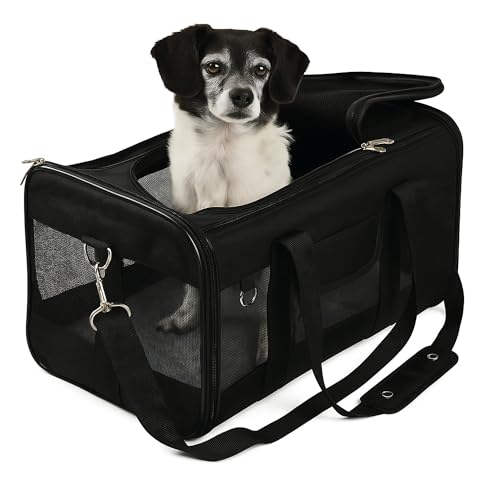
- Soft-sided carrier backpack with mesh panels. Good airflow matters on warm days, and mesh lets your pet see the surroundings, which many animals find calming. View on Amazon
- Foldable pet bowl. A collapsible bowl fits in a side pocket and makes water breaks simple on the trail. View on Amazon
- Washable pet bed liner. A removable, machine-washable liner keeps the interior hygienic after muddy walks. View on Amazon
- Lightweight leash with a clip. A short leash that attaches to a pack loop keeps your pet secured when you open the bag for a moment. View on Amazon
For a broader comparison of carrier styles before you commit, see Soft vs Hard Pet Carriers (and Backpacks vs Totes) and 5 Best Dog Pet Carrier Backpack Options for Hiking and Travel (2026). If you are weighing a pack against a sling, Yudodo Pet Sling Carrier vs Soft Backpack Carrier: Which Should You Choose? offers a useful side-by-side look. Cat owners who also travel by air may find Cat Backpack Pet Carrier Compared: 5 Best Picks for Travel and Hiking (2026) helpful.
FAQ
Is a pecute pet carrier backpack safe for daily walks?
It can be, provided your pet is within the stated weight limit, can stand and turn comfortably, and the pack fits your body well. Check for airflow and stop walking if your pet shows signs of distress. If you have questions about your pet’s health or fitness for carrying, consult your veterinarian.
How long can my pet stay in the backpack?
Short outings are the safest starting point. Many owners keep early sessions to a few minutes and build up gradually. Longer trips should include breaks in shade, water, and a chance for your pet to stretch outside the carrier, when conditions allow.
Can I use a pack like this on an airplane?
Some soft carriers are designed to meet airline size requirements, but airlines set their own rules on dimensions, weight, and whether a pet may ride in the cabin. Check your airline’s current policy and measure the carrier with the zipper and any external pockets included before you travel.
How do I clean the interior?
Remove the liner if it is removable and wash it according to the label. Wipe hard surfaces with a pet-safe cleaner and let everything air dry fully before reuse. Avoid harsh chemicals that can irritate your pet’s skin or lungs.
What if my pet refuses to go in?
Slow down the introduction. Return to the open-zipper stage, use treats and familiar bedding, and avoid forcing the animal inside. If resistance continues or your pet shows fear or pain, ask your veterinarian or a certified animal behavior professional for guidance.
Should I put a leash on my pet while it is in the pack?
Many owners attach a short leash to a secure point on the pack so the pet cannot escape if the zipper is opened. Do not clip the leash to your belt loop, because a sudden movement could pull the pet and pack off balance.
How do I know if the pack is too heavy for me?
If your shoulders ache, your posture changes, or you feel strain in your lower back after a short walk, the total load may be too much. Reduce what you carry besides your pet, check the strap adjustments, and consider whether the pet’s weight is appropriate for a carrier backpack.
Conclusion
A pecute pet carrier backpack works well when the size, fit, and routine all line up. Measure your pet, adjust the straps carefully, and introduce the pack gradually so your companion feels secure. Use the checklist before each outing, watch for signs of stress or heat, and keep the pack clean. With a few practice sessions, carrying your pet can become a comfortable part of your everyday routine.
Related reading
- Soft-Sided Pet Carriers: Airline Travel, Sizing and Comfort
- How to Fly with a Pet in the Cabin: Carrier and Planning Tips
- How to Evaluate Pet Carriers and Car Gear
- Hard-Sided Pet Carriers and Kennels: Sizing, Latches and Cleaning
Ready to choose one?
About Claire Whitaker
Claire Whitaker is part of our editorial team and reviews and edits our everyday pet gear guides, checking product details against manufacturer specifications and owner feedback.