 By Claire Whitaker
Updated November 2026
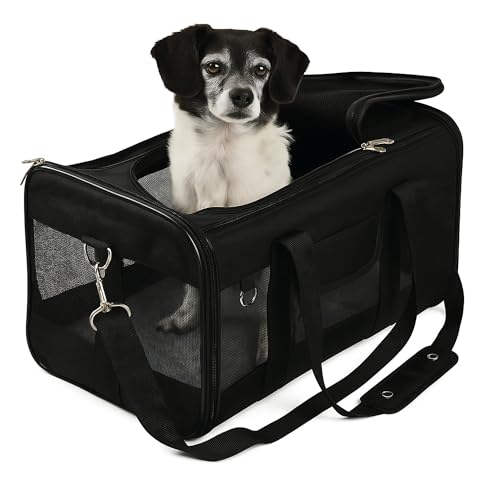
A pawaboo pet carrier backpack is a soft-sided carrier worn on the back, designed to keep a small dog or cat close while you walk, hike, ride transit or take a short trip. In this guide you will learn how to check whether a pawaboo pet carrier backpack fits your pet and your body, how to test its ventilation and security, and how to decide whether it will work for flights or everyday errands. The steps below are based on what manufacturers typically specify and what owners commonly report, so you can compare any backpack carrier against the same criteria.
Step 1: Confirm Your Pet Fits the Weight and Size Limits
Start with the numbers. Soft backpack carriers are usually rated for small pets, and the stated weight limit matters more than the bag’s appearance. Check the manufacturer’s maximum weight, then add a margin for the pack itself and any gear you will carry inside.
Shopping for one? See our guide: Yudodo Pet Sling Carrier vs Soft Backpack Carrier: Which Should You Choose?.
Measure your pet while it is standing and lying down. Most soft carriers ask for three measurements:
- Length: nose to base of tail, not including the tail.
- Height: floor to top of the head or ears while sitting upright.
- Width: shoulder width at the widest point.
Your pet should be able to stand, turn around and lie down in a natural curl. If the listed interior dimensions are tight against these numbers, consider a larger model, or a pet that is naturally at the upper end of the weight range may be more comfortable in a different style.
Step 2: Check the Carrying Comfort on Your Body
A backpack carrier distributes weight across your shoulders and back, but only if the straps and back panel are built for it. Look at these features before deciding:
- Padded shoulder straps with enough width to avoid digging in.
- A sternum strap or chest buckle that keeps the load centered.
- A padded back panel that stays off your spine.
- Adjustable torso length, so the pack sits at the right height.
Put the pack on with your pet inside (or a comparable weight, such as a filled bag of similar mass). Walk for at least five minutes. Pay attention to pressure points, sway and whether the pack pulls backward when you bend over.
Step 3: Evaluate Ventilation and Your Pet’s Comfort
Ventilation is where many pet backpacks differ most. Look for mesh panels on at least two sides, including the front window and at least one side or the top. Mesh should be fine enough that a small paw cannot push through and large enough that you can feel air moving when the bag is closed.
Avoid trapping heat. A closed, dark bag in summer heat can become uncomfortable quickly, so plan short stops in shade for longer outings. A fleece or washable pad helps with warmth in winter, but it should be removable so the bag does not overheat.
Step 4: Test Closures, Zippers and Pet Security
Zippers are the most common failure point. Check that each zipper:
- Runs smoothly without snagging on the fabric.
- Has a secondary clip or lock so it cannot be opened by a curious pet pushing from the inside.
- Includes a tether or safety strap inside the carrier for attaching your pet’s harness to the frame.
Many owners report that a pet can learn to paw at a zipper pull, so a locking clip or a second closure is worth checking for. Never leave a pet unattended in a backpack.
Step 5: Decide Whether It Works for Flights
A soft backpack is not automatically airline-approved. Airline rules set maximum dimensions for under-seat carriers, and these vary by carrier. Before you buy for air travel, measure the backpack’s external dimensions and compare them with your airline’s published limits. Also check whether the carrier requires a particular type of closure or ventilation.
If you plan to fly, you can read more about soft-sided options and dimensions in Soft-Sided Pet Carriers: Airline Travel, Sizing and Comfort, and about the standards that many carriers reference in What Is the International Air Transport Association Pet Carrier Standard?. For a broader view of models designed for flights, see Top 5 Pet Carriers for Flights Picks: Airline-Approved Soft Carriers Compared.
Step 6: Compare Backpacks With Other Carrier Styles
A backpack suits hands-free walking and transit. A tote or hard carrier may suit a pet that needs more stability or a lot of room. The table below summarizes typical differences to help you decide.
| Factor | Pet Backpack Carrier | Soft Tote Carrier | Hard-Sided Carrier |
|---|---|---|---|
| Hands-free carrying | Yes | No | No |
| Best for | Walks, hikes, transit | Vet visits, short trips | Flights, car travel |
| Ventilation | Mesh panels, varies by model | Mesh on one or more sides | Vents on sides or top |
| Stability for anxious pets | Moderate | Moderate | High |
| Airline fit | Check dimensions carefully | Often easier to match | Often easiest to match |
For a deeper comparison of soft and hard options, read Soft vs Hard Pet Carriers (and Backpacks vs Totes).
Practical Checklist Before You Buy or Use
- Pet weight is under the manufacturer’s stated limit.
- Interior length, height and width match your pet’s measurements.
- Shoulder straps and sternum strap are padded and adjustable.
- Mesh panels cover the front and at least one other side.
- Zippers have a secondary lock and an internal tether point.
- Outside dimensions meet your airline’s under-seat limits, if flying.
- A removable, washable pad is included or available.
Common Mistakes to Avoid
- Buying by pet weight alone. A pet can be within the weight limit but still too tall or long for the interior.
- Skipping the walk test. A pack that feels fine on the shelf can cause strain after twenty minutes.
- Overloading the pack. Keep extra items out of the pet compartment so the pet has room and air.
- Ignoring temperature. Dark, closed bags heat up quickly. Plan shade and water breaks.
- Assuming airline approval. Always compare exact dimensions with your airline’s rules before you travel.
Tips for Everyday Use
- Introduce the carrier at home with treats and short sessions before any trip.
- Keep a few minutes of rest on a flat surface during long walks.
- Check your pet’s comfort and breathing at each stop.
- Wash removable pads regularly, following the care label.
Recommended gear
If you are shopping for a backpack carrier, these are the types of product worth comparing alongside a pawaboo model:
- A well-padded soft pet backpack with a sternum strap, because even a good carrier needs balanced weight to feel comfortable on long walks. View on Amazon
- A pet carrier with a fleece or washable pad, which makes it easier to keep your pet warm in cool weather and simple to clean. View on Amazon
- A mesh-sided soft carrier for flights, useful if you want a bag that can be compared directly against airline dimensions. View on Amazon
FAQ
Is a pawaboo pet carrier backpack suitable for cats and small dogs?
Most soft backpack carriers are made for small cats and small dogs. Confirm the manufacturer’s weight and size limits for your specific pet before buying.
How do I know if the carrier is big enough?
Measure your pet’s length, height and width, then compare them with the listed interior dimensions. Your pet should be able to stand, turn and lie down comfortably.
Can I use a pet backpack carrier on an airplane?
Some can be used, but only if the outside dimensions fit your airline’s under-seat limits. Check the airline’s current rules before you travel.
Is a backpack carrier safe for long walks?
It can be, provided the straps are padded, the load is balanced and your pet has ventilation and rest breaks. Stop and check your pet regularly, especially in warm weather.
How should I clean the carrier?
Follow the care label. Most removable pads can be hand-washed or machine-washed on a gentle cycle, and the outer shell is often wiped clean.
Can my pet stay in the backpack for many hours?
Pets should not be kept confined for long periods. Plan regular breaks to stretch, drink water and move around. If you have concerns about your pet’s comfort or health, consult a veterinarian.
Do I need a harness inside the carrier?
Many owners attach a harness to the internal tether so the pet stays secured. This is a common practice, but confirm what your specific model supports.
Conclusion
A pawaboo pet carrier backpack can work well for walks, hikes and short trips when it fits your pet’s measurements and your body. Check weight limits, interior space, ventilation, closures and comfort before you buy, and compare exact dimensions if you plan to fly. Consult your veterinarian if your pet has health concerns or travel anxiety.
Related reading
- Cat Backpack Pet Carrier Compared: 5 Best Picks for Travel and Hiking (2026)
- 5 Best Pet Backpack Carriers for Small Dogs for Hiking and Travel (2026)
- 5 Best Dog Pet Carrier Backpack Options for Hiking and Travel (2026)
Ready to choose one?
About Claire Whitaker
Claire Whitaker is part of our editorial team and reviews and edits our everyday pet gear guides, checking product details against manufacturer specifications and owner feedback.