 By Ethan Brooks
The bsemax automatic pet feeder is a programmable dry food dispenser aimed at owners who want scheduled meals without being home at mealtime. It suits people with one or two cats or small-to-medium dogs, households where a regular feeding routine matters, and owners who are comfortable with a timer-based device and a bit of setup. It is a weaker fit for owners with large dogs, multi-pet homes that need separate portions, anyone feeding wet or raw food, or people who need a feeder with a dependable battery-backup track record. This review is based on manufacturer specifications and patterns that owners commonly describe, not on hands-on testing.
Product Overview
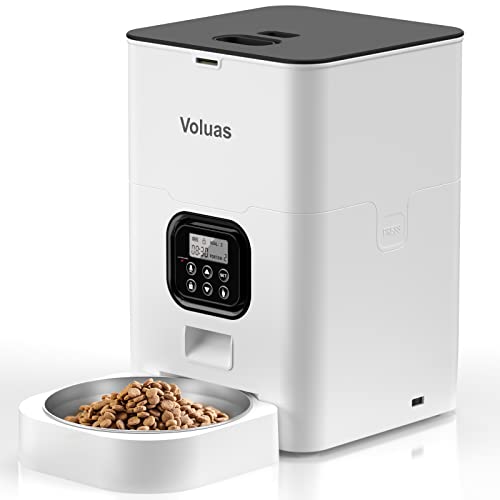
The bsemax automatic pet feeder is a countertop-style gravity dispenser built around a food hopper, a dispensing mechanism, and a stainless or plastic bowl. The unit is designed for dry kibble and is programmed to release set portions at chosen times through a small control panel. Like most feeders in this category, it works best when the owner uses it to supplement regular attention rather than replace it entirely.
Automatic feeders generally fall into a few groups: basic timer models with a single hopper, models with multiple daily meal slots, and smart units that connect to an app. This product sits in the timer-based group. If you are still deciding whether any automatic feeder fits your routine, our guide to How to Evaluate Automatic Feeders and Pet Fountains walks through the questions to answer first.
Key Features & Specifications
Specifications for budget and mid-range feeders vary between listings and production runs, so confirm the details on the packaging or the current product page before purchase. The table below lists the features the product is generally described with, and marks anything you should verify yourself.
| Feature | What to Expect | Why It Matters |
|---|---|---|
| Feeder type | Gravity-style dry food dispenser | Best for kibble; not designed for wet food |
| Meal scheduling | Programmable timed portions via control panel | Lets you set regular meal times for pets |
| Portion control | Adjustable portion settings (confirm exact increments) | Helps match calories to your pet’s needs |
| Food capacity | Hopper sized for several days of small-pet feeding (check listed liters or cups) | Determines how often you refill |
| Power | Mains power with a battery backup option (verify whether batteries are included) | Keeps meals on schedule during outages |
| Bowl | Removable food bowl for cleaning | Easier cleaning reduces buildup |
| Lid and seal | Hopper lid to limit moisture and pests | Helps keep kibble fresh between meals |
Before buying, check the hopper capacity against your pet’s daily intake. A simple test: multiply the daily kibble amount your vet recommends by the number of days you expect to be away, then compare that figure with the listed capacity.
Pros & Cons
Pros
- Scheduled meals help maintain a consistent feeding routine on workdays and trips.
- Portion settings can keep a pet from overeating when multiple people are feeding.
- Removable bowl simplifies daily cleaning compared with fixed-base units.
- Covered hopper helps reduce exposure to humidity and curious pets.
- A straightforward control panel means a shorter learning curve than app-based models.
Cons
- Dry food only; owners of wet-food or mixed-diet pets will need a different solution.
- Owner feedback commonly mentions kibble bridging or clumping in the hopper with certain shapes and humid conditions.
- Battery backup performance depends on battery type and condition, and owners should not assume it covers long outages.
- Limited capacity for large dogs or multi-day absences without a refill.
- No app or remote monitoring, so you cannot confirm a meal was dispensed while you are away.
Performance Analysis
Performance in this category comes down to three things: whether the dispenser releases the intended portion, whether it does so at the scheduled time, and whether food flows reliably throughout the hopper. Owners of timer feeders frequently report that the scheduling itself works as expected, and the main variables are kibble shape, size, and moisture.
Portion accuracy is worth testing before you rely on the feeder. Run a few cycles, weigh the output on a kitchen scale, and compare it with the setting. Small kibble tends to dispense more consistently than large, irregular pieces. If your pet eats a specific brand with unusual shapes, expect to test more carefully.
Reliability during power interruptions is the area where owner expectations often outrun the hardware. Battery backup is useful for short outages, but it is not a substitute for a second plan on extended ones. Plan for a manual meal if the power is out for many hours.
If the feeder stops dispensing or releases food at odd times, most issues trace back to a small set of causes such as clogged outlets, misaligned settings, or weak batteries. Our troubleshooting guide, Automatic Pet Feeder Not Dispensing Right? Troubleshooting, covers the common fixes in order.
Who Should Buy This Product?
This feeder fits a specific set of households. It is a reasonable choice if you have one or two cats or small-to-medium dogs eating dry kibble, you work long shifts or commute, and you want consistent meal times without buying a smart unit with an app subscription. It also suits people who are comfortable doing a short portion test and who will refill the hopper on a set schedule.
You should skip it if your pet eats wet food, raw diets, or a mix that clumps. Skip it also if you have a large or fast-eating dog that needs substantial volume per meal, or if you travel often and want remote confirmation that meals were served. Multi-pet households that need separate portions per animal may find a single timer unit limiting. For that setup, see Multi-Pet Household Setup: Feeding, Litter and Space for layout ideas.
Buying Guide
Before you commit to any automatic feeder, check these points in order.
- Match the food type. Dry kibble works with gravity feeders. Wet food needs a refrigerated or sealed system, which is a different product category.
- Calculate hopper needs. Use your vet’s daily amount and your longest expected absence to set the minimum capacity.
- Test the portion. Dispense a few portions onto a scale and check consistency with your specific kibble.
- Plan for power loss. Decide what you will do if the unit loses power during a meal.
- Check cleaning access. A removable bowl and accessible hopper make weekly cleaning realistic.
Competing products in this category include the PetSafe Smart Feed 2.0, which adds app-based scheduling; the Petmate Pet Feeder, a long-established option known for straightforward design; and the Petlibro Automatic Pet Feeder, which offers additional meal-slot flexibility. Each takes a different approach to scheduling and connectivity, so compare them against the checklist above rather than on brand alone.
For a wider view of timer-based options, read Best Automatic Pet Feeders With Timers and Automatic Pet Feeders: Timers, Portions and Backup Power.
FAQ
Does the bsemax automatic pet feeder work with wet food?
No. Feeders in this style are built for dry kibble. Wet food can spoil in the hopper and can clog the dispensing mechanism, so keep wet meals separate.
How many meals can it schedule per day?
Check the current product listing for the exact number of programmable meal slots, since this can vary by version. Confirm the setting before relying on it for multiple daily feedings.
Will it keep working during a power outage?
Models with battery backup can keep the timer running for a limited period. Confirm the battery type and expected runtime, and do not assume it will cover a long outage.
Can I use it for a cat and a dog at the same time?
Possibly, but one unit with one hopper usually means one food type and one portion setting. If the pets need different diets, a second feeder is the safer approach.
How often should I clean the bowl and hopper?
Wash the removable bowl regularly, often weekly, and wipe the hopper and lid to limit residue and moisture. Dry all parts fully before refilling.
What if it jams or dispenses unevenly?
Start by checking for clumped kibble and debris in the outlet, then confirm the portion setting and battery condition. For a step-by-step approach, see the troubleshooting guide linked above. If your pet has a medical condition that requires strict feeding amounts, consult your veterinarian before changing how meals are delivered.
Is it a good choice for a fast-eating dog?
A timer feeder controls when food is released, not how quickly the dog eats it. For fast eaters, a slow feeder bowl may help more. See Slow Feeder Bowls: Do They Help Dogs That Eat Too Fast? for details.
Final Verdict
The bsemax automatic pet feeder is a practical option for owners who feed dry kibble to one or two pets and want scheduled meals without a smart app. Its strengths are simple programming, a removable bowl, and a covered hopper. Its limits are dry-food only use, dependence on kibble shape and humidity, uncertain performance during long outages, and modest capacity. Verify the listed specifications, run a portion test, and match the hopper size to your absence pattern before buying. Check the current listing and reviews before you buy: View on Amazon.
About Ethan Brooks
Ethan Brooks is part of our editorial team and reviews and edits our everyday pet gear guides, checking product details against manufacturer specifications and owner feedback.