 By Ethan Brooks
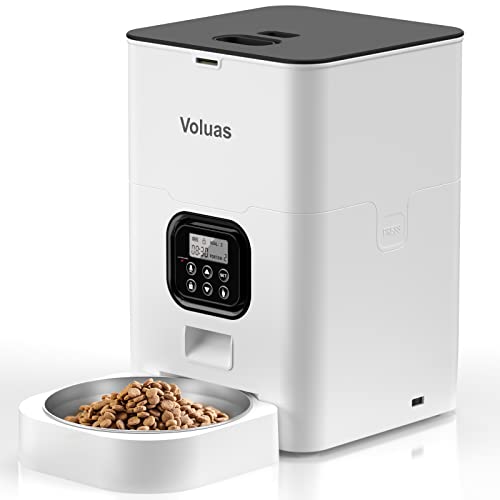
The Cat Mate C200 2 meal automatic pet feeder is a gravity-style dispenser that holds two scheduled portions of dry food, which makes it a reasonable choice for cats that eat two measured meals a day and for households where nobody is home at mealtime. It works best with kibble and small amounts of portioned food, and it is less suited to wet food or to cats that need a precise, veterinarian-directed diet. Check feeding amounts with your vet before relying on any timer.
Why a two-meal timer feeder makes sense for some cats
Many adult cats do well with two or three smaller meals rather than one large bowl. A two-compartment timer lets you split the day’s kibble into a morning and evening portion without getting up at 6 a.m. Owners often report that the main benefit is consistency: the food arrives at the same clock time every day, which helps some cats settle into a predictable routine.
The feeder is also useful for short absences. A workday or a weekend trip can stretch past a single bowl of food, and a timed dispenser covers the gap so the cat is not left with an empty dish for an entire shift. It does not replace a pet sitter for longer trips, and it should never be used as a way to leave a cat without any check-ins.
Factors that decide whether it fits your cat
Before buying, look at five things. Each one can make the difference between a smooth setup and a frustrating one.
- Food type. Dry kibble flows through a gravity hopper reliably. Wet food, moist treats, or freeze-dried pieces can clump, stick, or spoil in the chamber.
- Portion size. Check the capacity against your cat’s daily allowance. Divide the total by two, then confirm that each compartment holds that amount with room to spare. Kibble density varies, so measure by weight rather than by scoop.
- Number of cats. A single cat is the simplest case. In a multi-cat home, a feeder that only opens to one animal cannot prevent a bold housemate from stealing the second meal, so a microchip or collar-tag system may be needed.
- Power. Most timer feeders of this type run on batteries plus an optional adapter. Manufacturers typically specify battery life based on a set number of dispenses per day, so heavier schedules drain cells faster. Keep spare batteries on hand.
- Placement. Set the unit on a hard, level surface away from direct sun, humidity, and the litter box. A wobbly base can cause uneven dispensing.
How to set it up and make it work
Setup is mostly about timing and measurement. Work through these steps in order.
- Read the manufacturer’s manual and confirm the battery type and orientation before inserting cells.
- Set the clock to the correct time, including AM or PM. A wrong time is the most common cause of meals arriving at odd hours.
- Weigh your cat’s total daily kibble, split it evenly, and fill each compartment by weight, leaving the lid closed while you pour.
- Program the two dispense times with at least four to six hours between them, so the second meal does not overlap the first.
- Run a test dispense on the first day and watch the cat’s reaction. Some cats need a few days to learn that the bowl is a food source.
- Check the hopper and bowl daily for the first week. Look for jams, leftover food, and any sign that the cat is skipping meals.
If your cat stops eating from the feeder, do not simply increase the portion. Refusal can signal stress, dental pain, or illness, and a vet visit is the safer next step.
Tips for avoiding common problems
- Clean the hopper and bowl weekly with mild soap and water, then dry them fully. Lingering oils and crumbs attract pests and cause kibble to stick.
- Store food in a sealed container to reduce moisture and odor, which can change how the kibble flows.
- If the feeder jams, empty the hopper, remove any clumped pieces, and check whether the kibble shape is too large for the opening.
- Keep a written log for the first two weeks, noting how much the cat eats at each meal. This helps you spot changes in appetite early.
- Ask your vet to confirm the daily calorie target before you divide it between two meals.
What we’d use
If you want a feeder with a similar scheduled-meal approach, these are the types worth comparing. Verify current specifications on each listing before buying.
- Cat Mate C500 Automatic Pet Feeder, for households that want a larger capacity and a similar timed-dispense design. View on Amazon
- PetSafe Smart Feed 2.0, for owners who want app-based scheduling and portion tracking in a single unit. View on Amazon
- PetSafe Two Meal Automatic Pet Feeder, for a straightforward two-compartment setup with a simple timer. View on Amazon
For a broader comparison of how these designs differ, see Cat Mate C500 Automatic Pet Feeder Review: Is It Worth It? and Petsafe 2 Meal Automatic Pet Feeder Review: Is It Worth It?. If you have more than one cat, 8 Best Automatic Pet Feeders for Two Cats: Expert Picks (2026) covers designs built for shared households.
Related questions
Can a two-meal feeder handle wet food?
Most gravity-style timer feeders are designed for dry kibble. Wet food can spoil in the chamber and clog the mechanism, so use a dedicated wet-food model if that is your cat’s diet.
How often should I refill the hopper?
Refill based on your measured daily total, not on a fixed schedule. Check the level each morning for the first week so you learn how fast your cat’s portion disappears.
What if my cat eats both meals at once?
Some cats empty a compartment quickly. Make sure the lid and timing are working as intended, and talk to your vet if the cat is eating far faster than expected, since that can point to a health issue.
Are batteries enough, or do I need an adapter?
Batteries work for many setups, but an adapter keeps the unit running through a power interruption. Check the manual for the recommended battery type and replacement schedule.
Is this feeder safe for a kitten?
Kittens need more frequent meals and specific nutrition. Confirm the feeding schedule with your vet before using a timed dispenser for a growing cat.
Related reading
Ready to choose one?
About Ethan Brooks
Ethan Brooks is part of our editorial team and reviews and edits our everyday pet gear guides, checking product details against manufacturer specifications and owner feedback.