 By Ethan Brooks
Updated November 2026
An automatic cat feeder pet barn is a covered, timed feeding station that dispenses measured meals while keeping food shielded from curious paws, other pets and the weather. By the end of this guide, you will know how to choose the right model for your cat, calculate portion sizes, program a reliable schedule and run a short test before you leave the house for a full day.
What an Automatic Cat Feeder Pet Barn Actually Does
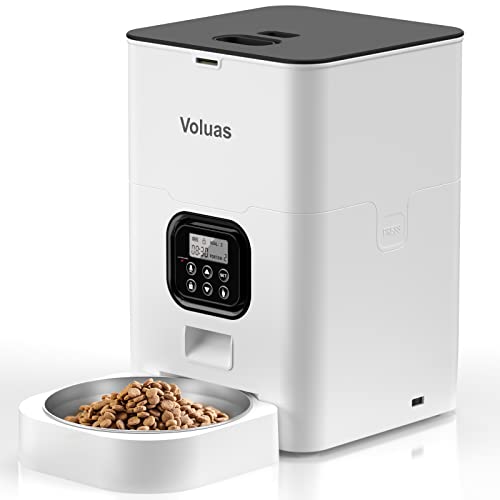
Most feeders in this style use a rotating or sliding mechanism inside a hooded housing. A timer or app triggers the motor at set times, and a measured amount of kibble drops into a bowl. The “barn” shape usually means a roof or enclosure that limits access to the food compartment, which helps keep dry food fresher and discourages a second pet from eating a meal meant for the first.
Shopping for one? See our guide: 4 Best Voluas Automatic Pet Feeder Models for Cats and Dogs (2026).
Feeders in this category are built for dry food. Wet food spoils quickly at room temperature, so if your cat eats canned food, plan for a separate routine or a refrigerated option. Check the manufacturer’s specifications before you load anything other than kibble, since many units warn against moist or sticky food because it can jam the auger or hopper.
Step 1: Decide What Your Cat Needs
Start with your cat’s current feeding routine, not the feeder’s features. Write down how many meals your cat eats per day, how much food is in each meal, and whether anyone else in the home shares the same food area.
- Number of daily meals: Many adult cats do well with two to four smaller meals. Kittens and some medical diets need more frequent feeding, so confirm the schedule with your veterinarian.
- Portion per meal: Read the calorie guidance on your cat food bag, then divide the daily total by the number of meals.
- Other pets: If a dog or second cat can reach the feeder, look for a model with a locking lid or a microchip or RFID reader so only the intended pet can access the food.
- Household schedule: If you are away for more than 10 to 12 hours, plan for a feeder with a larger food reservoir or a backup meal option.
For health concerns such as weight management, diabetes or kidney disease, talk with a veterinarian before changing meal timing or portion size. A feeder can enforce a plan, but it cannot decide what the plan should be.
Step 2: Measure Portions Accurately
Dispensing accuracy matters more than most owners expect. A kibble-based portion is usually measured by volume, and kibble density varies from brand to brand. A cup of one formula can weigh noticeably more than a cup of another.
- Weigh a sample meal on a kitchen scale. Note the weight in grams.
- Set the feeder’s portion control to a size that matches your cat’s daily calorie target.
- Run three test dispenses into a bowl and weigh the total. Divide by three to get an average.
- Adjust the setting and repeat until the average is within a few grams of your target.
- Recheck after switching food brands, since the same setting will produce a different weight.
Step 3: Program a Reliable Feeding Schedule
Once portions are set, build a schedule that matches your cat’s natural rhythm. Many cats are most active around dawn and dusk, so meals spread across those windows often work well. Avoid setting all meals within a single hour, since that defeats the purpose of spreading intake across the day.
Sample Feeding Schedule for an Adult Cat
| Meal | Suggested Time | Share of Daily Food | Notes |
|---|---|---|---|
| Breakfast | 6:30 AM | 25% | Set before your own morning routine begins |
| Midday | 12:30 PM | 25% | Helps prevent long gaps in an empty home |
| Evening | 6:00 PM | 25% | Aligns with dusk activity |
| Late night | 10:00 PM | 25% | Optional; adjust if your cat is active overnight |
Adjust the times to your household. The point is consistency. If your cat learns that meals arrive at roughly the same hours, the feeder becomes part of the routine rather than a novelty.
Setting Up Power and Backup
Most units run on a mains adapter, with batteries as backup. Check whether the batteries are for backup only or whether they power the motor during normal use. Keep spare batteries on hand and check the battery indicator weekly. A feeder that loses power mid-day can leave a cat without a meal, and a power outage during a long absence can be a serious problem.
Step 4: Place the Feeder and Introduce It
Placement affects both cat comfort and feeder reliability. Choose a flat, stable surface away from heavy foot traffic, the litter box and loud appliances. Keep the feeder off carpet if the base is light, since it can tip when a cat pushes against it.
- Leave the feeder unplugged and place a few kibbles in the bowl by hand for the first two days.
- Use a tray or mat under the bowl to catch scattered food.
- Keep water in a separate bowl nearby. Feeders do not supply water, and cats often prefer drinking away from food.
- Watch your cat’s first few mechanical meals. If the cat paws at the lid, the mechanism may need a different portion size or a quieter location.
Step 5: Run a Test Before Leaving Home
Before you rely on the feeder for a full workday, run a short test. Program a meal for 15 to 20 minutes from now, leave the house or stay in another room, and then check whether the food dispensed and whether your cat ate it. Repeat once more to confirm the timing. Only then extend the schedule to a full day.
Common Mistakes
- Assuming the default setting is correct. Factory presets rarely match a specific food. Always weigh test dispenses.
- Overloading the hopper. Filling beyond the marked line can jam the mechanism and break kibble unevenly.
- Loading wet food. Moist food can spoil, clump and stop the motor. Stick to dry food unless the manufacturer approves otherwise.
- Skipping cleaning. Old kibble dust and oils build up on the rotating parts. Clean the hopper and bowl on the schedule the manufacturer recommends.
- Ignoring your cat’s weight. If your cat gains or loses weight, reassess portions with your veterinarian rather than only adjusting the feeder.
- Placing the feeder in a sunny or hot spot. Heat and humidity can affect kibble quality and the electronics.
Recommended Gear
Several accessories make an automatic setup easier to run day to day. Choose items that match your feeder’s bowl size and your cat’s habits.
- PETLIBRO Automatic Cat Feeder: A common choice among owners who want app-based scheduling and a sealed food chamber. Check the manufacturer’s dimensions to confirm the footprint fits your counter. View on Amazon
- Replacement bowl or mat: A silicone or non-slip mat catches stray kibble and makes cleanup faster. View on Amazon
- Digital kitchen scale: Essential for weighing test dispenses and confirming portions. View on Amazon
- Spare batteries: Keep a set on hand for backup power. Check your model’s battery type first. View on Amazon
Further Reading
If you are comparing specific models, Pet Smart Automatic Cat Feeder: 5 Best Picks Compared (2026) covers a range of options side by side. For a hands-on look at a popular setup, see Petsafe Healthy Pet Simply Feed Automatic Cat Feeder: A Practical Guide (2026). Owners with more than one cat may find Automatic Pet Feeder for Two Cats: 7 Best Picks Compared (2026) useful, and Cat Mate C500 Automatic Pet Feeder Review: Is It Worth It? offers a detailed review of one multi-meal option.
FAQ
How many meals should an automatic feeder dispense per day?
Many adult cats do well with two to four meals, but the right number depends on age, health and your veterinarian’s guidance. Kittens generally need more frequent meals.
Can I use wet food in an automatic cat feeder pet barn?
Most models are designed for dry kibble. Wet food can spoil at room temperature and may jam the mechanism. Check the manufacturer’s instructions before using anything other than dry food.
How do I keep my dog from eating the cat’s food?
Choose a feeder with a locking lid or an RFID or microchip reader that only opens for your cat. Placing the feeder in a spot the dog cannot reach also helps.
What happens if the power goes out?
Units with battery backup will usually keep dispensing, but battery life varies. Check the battery indicator regularly and keep spares. A long outage may still interrupt meals.
How often should I clean the feeder?
Follow the manufacturer’s schedule. As a general practice, wipe the bowl and check the hopper for kibble dust at least weekly, and do a full cleaning more often if food residue builds up.
Should I still give my cat water separately?
Yes. Feeders dispense food only. Keep fresh water in a separate bowl away from the food station.
How do I know if the portion is right?
Weigh several test dispenses and compare the average to your cat’s calorie target. Then watch your cat’s body condition and weight over several weeks, and adjust with your veterinarian if needed.
Conclusion
An automatic cat feeder pet barn can make daily feeding more consistent, especially in busy households or when you are away for part of the day. Success depends on accurate portions, a sensible schedule and a short test run before you trust it fully. Revisit the settings whenever your cat’s weight, health or food changes, and consult your veterinarian for any medical or dietary concerns.
Related reading
- Pet Feeder Automatic Cat: 6 Best Picks for Cats in 2026
- Cat Mate C200 2 Meal Automatic Pet Feeder: Is It Worth It?
- Cat Mate Automatic Dry Pet Food Feeder C3000: Setup, Settings and Daily Use Tips
Ready to choose one?
About Ethan Brooks
Ethan Brooks is part of our editorial team and reviews and edits our everyday pet gear guides, checking product details against manufacturer specifications and owner feedback.