 By Claire Whitaker
Updated November 2026
The best dog harness for a dachshund is one that fits the chest and shoulders without pressing on the spine, distributes pull across the body, and lets your dog walk with a natural gait. This guide explains what to measure, which features matter for a long-backed breed, and how to check fit before your first walk. Use it to narrow your options before you buy.
Why Dachshunds Need a Different Kind of Harness
Dachshunds have long bodies, short legs and a deep chest, and their spine is the part that most needs protection. A collar puts pressure on the neck and trachea, and a poorly designed harness can push on the back or shift toward the armpits. Owners often report that dachshunds pull hard when they catch a scent, so the harness has to hold up under sudden lunges as well as steady walking. If you are still deciding between styles, the comparison in Front-Clip vs Back-Clip Dog Harness: Which One Is Better? covers how each one affects pulling.
Shopping for one? See our guide: 3 Best Puppy Harness for Small Dogs (2026). Best Crate Accessories for Your Dog: 6 Accessories Compared goes further into this.
Step 1: Measure Your Dachshund Correctly
Measure the girth, which is the widest part of the chest just behind the front legs, using a soft tape. Then measure the neck at its base. Compare both numbers against the manufacturer’s size chart, not a generic size label, because dachshund proportions vary a lot between dogs. Most harnesses should allow two fingers to slide snugly under each strap.
Step 2: Choose Features That Protect the Back and Shoulders
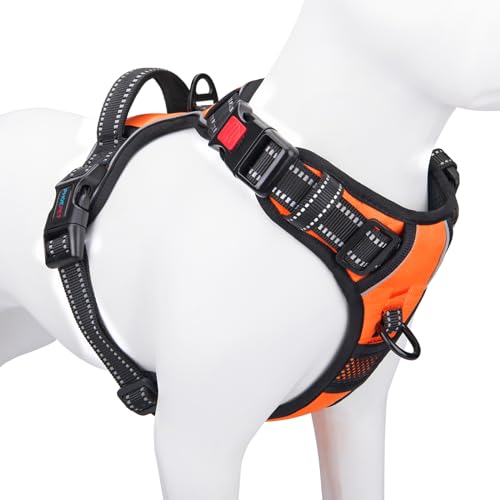
Look for a harness with a wide chest panel, padded edges and adjustable straps on both the chest and body. A step-in or vest-style design keeps the weight away from the neck and back. Avoid designs with thin straps that cross over the spine or that sit tight against the shoulder blades. Reflective trim and a sturdy handle are useful extras, especially for early-morning or evening walks.
What to Check on the Fit
- The chest plate sits centered on the breastbone and does not slide toward the throat.
- Straps lie flat, with no twists, and do not rub the front legs.
- Your dog can sit, stand and turn without the harness shifting.
Step 3: Match the Harness to Your Walking Routine
If your dachshund pulls, a front-clip design can reduce tugging by turning the dog gently toward you. If you walk on quiet streets with little pulling, a standard back-clip style is often enough. Dachshunds that go on car trips may need a harness that also works with a seat belt attachment. The guide How to Choose and Fit a Dog Harness walks through this decision in more detail.
Step 4: Test the Harness Before Long Walks
Put the harness on indoors for ten to fifteen minutes first, then offer a treat and short walk around the house. Watch for rubbing at the armpits, hesitation to move, or a change in posture. Recheck the fit after the first outdoor walk, because straps can loosen as the material settles.
Checklist: What to Have Ready
- A soft tape measure and a note of girth and neck measurements
- The manufacturer’s size chart for the exact model
- A leash rated for the dog’s size and a treat pouch
- A mirror or a helper to check the strap placement
Common Mistakes
- Buying by weight alone, which ignores the long, narrow dachshund build.
- Leaving a harness too loose so that it slides or rotates during walks.
- Attaching a leash to a collar and harness at the same time, which can strain the neck.
- Ignoring rubbing or limping after the first few walks.
- Using a harness that sits over the spine instead of across the chest.
Recommended Gear
A well-fitted dachshund harness works best with a short, sturdy leash that keeps the dog close. A lightweight treat pouch also helps reinforce loose-leash walking without fumbling.
- Front-clip vest-style harness for dachshunds that pull: a design that turns the dog toward you during lunges. View on Amazon
- Padded step-in harness for small long-bodied dogs: a simple design that avoids pressure on the neck. View on Amazon
- Reflective walking leash for dachshunds: a short, durable leash that keeps the dog close in low light. View on Amazon
FAQ
Is a harness better than a collar for a dachshund?
For most dachshunds, yes. A well-fitted harness spreads pressure across the chest and avoids strain on the neck and trachea. Consult your veterinarian if your dog has a known back or neck condition.
How tight should a dachshund harness be?
You should be able to slide two fingers under each strap without the harness moving or the straps digging in. Recheck the fit regularly because straps can stretch.
Can I use a dachshund harness in the car?
Only if it is designed for car use and attaches to a crash-tested restraint. Check the manufacturer’s instructions and see 4 Best Dog Harness for Cars Picks for Safer Rides for options built for travel.
Conclusion
The best dog harness for a dachshund fits the chest without pressing on the spine, suits your dog’s pulling habits, and is checked for fit before every long walk. Measure carefully, compare the manufacturer’s chart, and test the harness indoors first. If your dog shows rubbing, limping or reluctance to move, stop and reassess the fit or consult your veterinarian.
Related reading
- Lifting Harness for Dog: 3 Best Options for Senior and Injured Dogs (2026)
- Dog Harness Top Paw: How to Choose and Fit the Right Size (2026)
- 4 Best Dog Harness for Vehicle Rides: Our Picks (2026)
Ready to choose one?
About Claire Whitaker
Claire Whitaker is part of our editorial team and reviews and edits our everyday pet gear guides, checking product details against manufacturer specifications and owner feedback.