 By Claire Whitaker
Updated November 2026
JetBlue pet carrier measurements must fit under the seat in front of you, and the carrier needs to be soft-sided and small enough to stow fully during the flight. In general, airlines use a maximum outside size close to 17 x 12 x 8.5 inches, but the exact limits, weight caps and approval rules can change, so confirm the current figures on JetBlue’s official pet travel page before you book. You may also like Is a Pet Carrier Crash Test Worth It? What Safety Ratings Really Mean.
Why JetBlue Pet Carrier Measurements Matter
An in-cabin pet has to stay in a carrier at all times, and the carrier has to fit under the seat. That means the outside dimensions are checked, not just the inside space your cat or dog uses. A carrier that looks roomy at home can still fail a sizing check at the gate, especially if the handles, wheels or mesh panels add bulk.
Shopping for one? See our guide: 4 Best Automatic Pet Feeder PetSafe Models Compared (2026).
Many travelers get caught by the difference between the listed interior size and the outside measurement. The airline measures the outside, including any padding, frame or feet on the bottom.
The Factors That Affect Fit
- Outside dimensions. Measure length, width and height from the outermost points, including zippers, wheels and any mesh that bulges when the carrier is full.
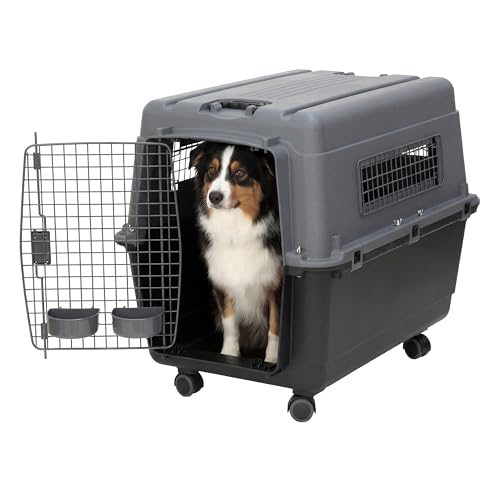
- Soft versus hard sides. Soft-sided carriers compress slightly, which helps them slide under a seat. Hard-sided kennels usually do not, so they tend to be a poor fit for cabin travel. See our comparison of soft vs hard pet carriers for more on that tradeoff.
- Pet weight and total weight. Airlines set a combined weight limit for the pet plus carrier. Weigh the loaded carrier at home on a bathroom scale.
- Under-seat space. Seat rows vary by aircraft type. Some rows have less clearance because of the seat mechanism or the floor layout.
For a deeper look at sizing and comfort, read Soft-Sided Pet Carriers: Airline Travel, Sizing and Comfort.
How to Check Your Carrier Before You Travel
- Find JetBlue’s current pet policy and write down the maximum length, width, height and weight.
- Measure your empty carrier from the outermost points, including wheels and handles.
- Fill the carrier with a pet-sized blanket or pad and check whether the sides bulge past the limits.
- Place the loaded carrier under a seat at home, or against a similar-height surface, to test the fit.
- Weigh the loaded carrier and compare it with the airline’s combined weight limit.
- Print the policy page or save it on your phone in case a gate agent asks.
If you are unsure, How to Fly with a Pet in the Cabin: Carrier and Planning Tips walks through the full check-in process. You can also review How to Evaluate Pet Carriers and Car Gear for a general sizing checklist.
What We’d Use
A soft-sided carrier designed for airline dimensions keeps the outside measurements predictable and is easy to slide under a seat. Look for one labeled as airline-approved for cabin travel.
A small fleece or washable pad helps the pet settle without adding bulk, and it fits inside most soft carriers without pushing the walls out.
FAQ
What is the maximum size for a JetBlue pet carrier?
Airlines generally cap in-cabin carriers near 17 x 12 x 8.5 inches outside, but confirm JetBlue’s current figures on its official pet travel page before flying.
Do JetBlue carrier measurements include wheels and handles?
Yes. Measure from the outermost points, including wheels, handles and any zippered or mesh panels that add bulk. We also found Southwest Airlines Pet Carrier Rules: What Fits Under the Seat useful on this point.
Can a hard-sided kennel go in the cabin?
Hard-sided kennels rarely fit under a seat, so most travelers use a soft-sided carrier for cabin flights. Check the current policy and consult the airline directly if you have questions about your specific pet.
Related reading
- Soft vs Hard Pet Carriers (and Backpacks vs Totes)
- Hard-Sided Pet Carriers and Kennels: Sizing, Latches and Cleaning
- Best Soft-Sided Pet Carriers for Cats and Small Dogs
Ready to choose one?
About Claire Whitaker
Claire Whitaker is part of our editorial team and reviews and edits our everyday pet gear guides, checking product details against manufacturer specifications and owner feedback.