 By Ethan Brooks
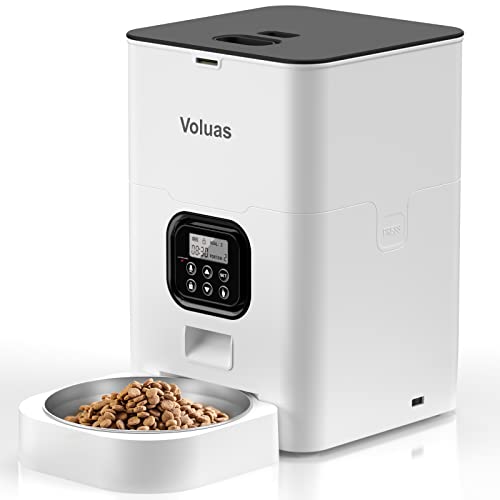
The petsafe healthy pet simply feed automatic feeder splitter is a practical pick for households that already own a timed feeder and want to serve two or more pets from one unit without buying a second machine. It works best for owners who feed on a predictable schedule, keep portions consistent, and have pets that eat at similar times. If your pets have very different diets or you need separate lockouts for each animal, a dedicated multi-bowl feeder with individual compartments usually makes more sense.
This comparison looks at the PetSafe Healthy Pet Simply Feed splitter against two common alternatives: a standalone programmable automatic feeder with a built-in divider, and a manual bowl-and-timer setup that many owners rely on. Each option is judged on how it handles the daily feeding routine, which is where most of the real differences show up.
| Criterion | PetSafe Healthy Pet Simply Feed Splitter | Programmable Feeder With Built-In Divider | Manual Bowls and Timer Setup |
|---|---|---|---|
| Best fit | Two pets sharing one feeding station | Single pet or two pets on separate schedules | Owners who prefer hands-on portioning |
| Portion control | Set per feeding; split between bowls | Set per compartment or per meal | Measured by hand each time |
| Setup effort | Low to moderate | Moderate (programming required) | Low, but daily attention needed |
| Cleaning | Removable parts; check seals regularly | Hopper and lid cleaning required | Bowl washing after each meal |
| Power and backup | Plug-in; batteries help during outages | Varies by model | Not applicable |
| Routine flexibility | Good for consistent meal times | Strong for different schedules | Maximum flexibility, minimal automation |
Portion Control: Which Option Gives You the Most Accurate Meals?
Winner: the programmable feeder with a built-in divider.
Portion accuracy depends on how the food is measured and how it reaches each bowl. The PetSafe Healthy Pet Simply Feed splitter divides the output from a single dispensing source, so the amount each pet receives depends on the total portion you set and how evenly the splitter divides it. Owners often report that small kibbles flow more evenly than large or irregular shapes, so it is worth running a test cycle and weighing the output before relying on it.
A programmable feeder with a built-in divider usually gives you separate settings for each compartment. That means you can set one pet to a larger breakfast and another to a smaller one without guessing. For households where a dog needs 1.5 cups per day and a cat needs a few tablespoons, this difference matters. Measuring the output with a kitchen scale for a few days is a good habit with either design. Manufacturers typically specify dispensing increments, so check the rated portion size against your pet’s feeding guideline.
The manual bowl-and-timer setup scores well on flexibility but poorly on consistency. You control every gram, but you also have to be present for every meal, which is where most missed or doubled portions happen.
Setup and Daily Use: Which Option Takes the Least Effort?
Winner: the manual bowls and timer setup, with the PetSafe splitter a close second.
The manual approach has almost no setup. You fill bowls, set a reminder, and serve. The tradeoff is that every meal requires you to be physically present. The PetSafe splitter requires a one-time installation: attach the splitter to the compatible feeder base, load food into the hopper, set the meal times and portions, and confirm that both outlets are clear. After that, daily use is simple. Owners who travel or work long hours often prefer this kind of hands-off routine.
The programmable feeder with a built-in divider takes more time at the start. You will need to program each compartment, test the lid mechanism, and confirm that the clock is set correctly. Once it is running, daily use is comparable to the splitter, but the learning curve is steeper. Worth reading next: Easy Feed Automatic Pet Feeder: 5 Best Picks Compared (2026).
If you are still deciding how to automate your routine, our guide How to Evaluate Automatic Feeders and Pet Fountains walks through the questions worth asking before you commit to any model.
Cleaning and Maintenance: Which Option Is Easiest to Keep Hygienic?
Winner: the manual bowls setup, because cleaning is simple and immediate.
Bowls are easy to wash after every meal, and most stainless or ceramic bowls handle dishwasher cycles well. The automated options add parts that need regular attention. The PetSafe splitter has removable components that should be washed periodically, and the seals and outlets need checking for food dust buildup. Food left in the hopper for days can clump or attract pests, so emptying and wiping the unit on a regular schedule is important regardless of model.
The programmable feeder has a hopper, lid, and dispensing mechanism, all of which need cleaning. Lids that seal tightly are good for keeping food fresh, but they also trap moisture if the unit is washed and not fully dried. Dry everything completely before refilling.
For broader guidance on keeping food fresh between refills, see Pet Food Storage Containers: Sizing and Keeping Food Fresh. Stale or damp kibble can affect how well any feeder dispenses, so storage matters as much as the machine itself.
Power, Backup, and Reliability: Which Option Handles Outages Best?
Winner: the PetSafe Healthy Pet Simply Feed splitter, when paired with battery backup.
Plug-in feeders depend on power, and a power outage during a scheduled meal can mean a missed feeding. Many owners report that battery backup keeps the clock and motor running through short outages, which is a meaningful advantage for pets on tight schedules. Check the manufacturer’s specifications for battery type, runtime, and whether the backup covers the dispensing function or only the clock. These details vary by model and can change between versions.
The programmable feeder’s backup behavior depends on the specific model. Some keep their settings through a battery but do not dispense during an outage. The manual setup has no electrical dependence at all, which makes it the most reliable in the sense that nothing can fail mechanically, but it also depends entirely on you being home.
If your feeder ever stops dispensing or delivers the wrong amount, Automatic Pet Feeder Not Dispensing Right? Troubleshooting covers the most common causes, including jams, clogged outlets, and incorrect settings.
Flexibility for Different Diets and Schedules: Which Option Adapts Best?
Winner: the programmable feeder with a built-in divider.
When pets eat different foods, need different meal times, or one pet has a medical diet, separate compartments are a real advantage. The PetSafe splitter is designed to serve pets from a shared source, which works well when both animals eat the same food at the same times. Mixing diets across a shared splitter is not ideal, because you cannot control what each bowl receives beyond the split ratio.
The manual setup gives you total control. You can prepare any diet, any portion, and any timing for each animal, but it asks more of you each day. For guidance on setting up feeding stations for multiple animals, Multi-Pet Household Setup: Feeding, Litter and Space covers placement, spacing, and how to prevent food stealing.
Owners with a single dog that eats quickly may also want to look at bowl design alongside the feeder. Slow Feeder Bowls: Do They Help Dogs That Eat Too Fast? explains when a slow feeder bowl helps and when it does not.
Bowl Materials and Feeding Surfaces
Winner: a tie, since the bowls matter as much as the feeder.
Whichever system you choose, the bowls and mats around it affect hygiene and comfort. Stainless steel resists odor and scratching, ceramic is heavier and stays put, and plastic is light but can hold residue in small scratches. For a detailed comparison, see Pet Bowls: Stainless Steel vs Ceramic vs Plastic. A feeding mat under the station catches spilled kibble and protects flooring, which matters more with automated units that can dispense in bursts. Pet Feeding Mats and Portion Tools covers which mat types work best with splitters and multi-bowl setups.
Which Should You Choose?
- Choose the PetSafe Healthy Pet Simply Feed splitter if you have two pets that eat the same food on the same schedule, you want hands-off feeding, and you value battery backup for outages.
- Choose a programmable feeder with a built-in divider if your pets need different portions, different meal times, or separate settings, and you are comfortable with a one-time programming session.
- Choose manual bowls and a timer if you are home for most meals, prefer measuring by hand, and want the simplest possible setup with no electronics to maintain.
- Choose the splitter setup if you are feeding a multi-pet household on a tight budget and already own a compatible base, since adding a splitter can cost less than replacing the whole system (budget considerations vary by retailer, so compare current listings).
- Skip the splitter if one pet needs a prescription diet or a precisely measured meal that differs from the other pet’s food.
Shopping options for the PetSafe Healthy Pet Simply Feed splitter:
For a programmable feeder with a divider:
For a manual setup, a set of stainless steel bowls and a basic kitchen timer will do the job:
FAQ
Can the PetSafe splitter feed two pets different foods?
It is designed to divide a single food source between bowls, so both pets receive the same food. If one animal needs a different diet, a programmable feeder with separate compartments or a manual setup will serve that need better. Always check the manufacturer’s instructions for what the splitter is rated to handle.
How do I check that each bowl gets the right amount?
Run a test cycle and weigh the food in each bowl on a kitchen scale. Repeat two or three times, since small variations are normal with dispensing equipment. Adjust your settings based on the average, and recheck if you change food brands or kibble size.
What happens if the power goes out during a scheduled meal?
This depends on the model. Battery backup may keep the clock and motor running, but some units do not dispense during an outage. Check the manufacturer’s specifications for backup runtime and behavior, and keep a manual backup plan for longer outages. If you have concerns about a pet’s health during a missed meal, consult your veterinarian.
How often should I clean the splitter and feeder?
Empty and wipe the hopper and outlets on a regular schedule, typically weekly, and wash removable parts according to the manufacturer’s directions. Make sure everything is fully dry before refilling. Food residue left in seals can attract pests and affect dispensing accuracy.
Is an automatic feeder safe for pets with medical conditions?
Automatic feeders can help keep meal times consistent, but they are not a substitute for veterinary guidance. Pets with diabetes, kidney disease, or other conditions that depend on precise portions should have their feeding plan set by a veterinarian, and any feeder should be tested against that plan before it is relied upon.
Conclusion
The petsafe healthy pet simply feed automatic feeder splitter earns its place in a multi-pet home where both animals eat the same food on a shared schedule. It handles the daily routine well, offers useful backup behavior, and requires only a one-time setup. For households with differing diets or schedules, a programmable feeder with separate compartments is the stronger choice, and for owners who prefer full hands-on control, manual bowls remain the simplest option. Match the system to how your pets actually eat, test the portions before trusting them, and revisit the settings whenever the food or routine changes.
About Ethan Brooks
Ethan Brooks is part of our editorial team and reviews and edits our everyday pet gear guides, checking product details against manufacturer specifications and owner feedback.