By Claire Whitaker
Updated November 2026
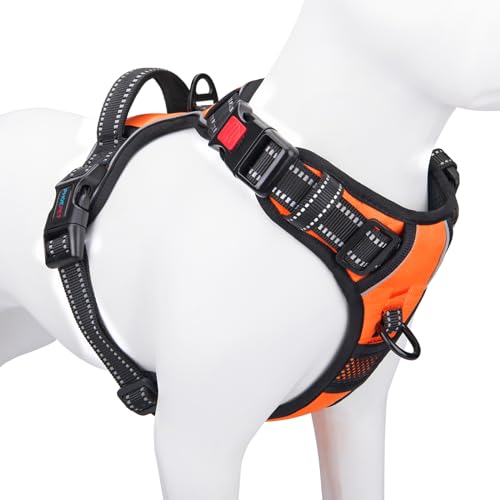
The 2 Hounds Design Freedom no pull dog harness is built to reduce pulling by clipping at the front of the chest and distributing pressure across the body instead of the neck. This guide walks you through choosing the right size, fitting it correctly and using it on daily walks so your dog stays comfortable and you keep control. Check the manufacturer’s sizing chart before you buy, since fit varies by model and by dog build.
Step 1: Measure Your Dog Before You Order
Most no pull harnesses are sized by chest girth, measured around the widest part of the rib cage just behind the front legs. Measure with a soft tape, keep it snug but not tight, and compare the number to the size chart listed for the 2 Hounds Design Freedom. If your dog falls between two sizes, many owners find the larger size easier to adjust, but confirm this against the manufacturer’s guidance.
Step 2: Fit the Harness Correctly
A harness that fits poorly can rub, slip or fail to stop pulling. Work through these steps:
- Loosen all straps fully before putting the harness on.
- Slide the chest plate under your dog’s chin or position it over the chest, following the front-loop design in the instructions.
- Fasten the buckle behind the front legs and tighten the girth strap so you can fit two fingers flat under it.
- Check the strap behind the front legs. It should not dig into the armpit or sit high enough to restrict movement.
- Walk your dog around the room. Watch for chafing, rubbing at the shoulders or the harness shifting toward the neck.
Step 3: Attach the Leash at the Front Ring
The front chest ring is what turns a sideways pull into a gentle turn. When your dog lunges forward, the leash pulls them slightly toward you, which interrupts forward momentum. Clip the leash only to the front ring for training walks. Some owners add a back ring clip for everyday use once the dog walks calmly, but keep the front clip as the primary attachment point.
If you are still choosing between harness styles, the comparison in Front-Clip vs Back-Clip Dog Harness: Which One Is Better? explains how each design changes pulling behavior.
Step 4: Train With Short, Consistent Walks
A no pull harness helps, but it does not teach loose-leash walking on its own. Start with short sessions in a quiet area. Stop walking the moment the leash goes tight, wait for slack, then continue. Reward your dog with a treat or praise when they stay near your side. Most owners see gradual improvement over several weeks of consistent practice rather than overnight results.
For a broader look at how leash choice interacts with harness use, see Dog Leash No Pull vs Standard Leash (2026): Which Is Better for Daily Walks?
Common Mistakes to Avoid
- Sizing by weight instead of chest girth, which often leads to a loose or poorly positioned fit.
- Leaving the harness on for long periods without checking for rubbing under the legs.
- Clipping to the back ring during training, which can reduce the anti-pulling effect.
- Expecting the harness alone to fix pulling without any leash training.
- Skipping a fit check after your dog gains or loses weight.
Recommended Gear
A few supporting items make the 2 Hounds Design Freedom easier to use day to day:
- A soft tape measure helps you get an accurate chest reading before ordering. View on Amazon
- A reflective or light-up clip-on accessory improves visibility on early morning or evening walks. View on Amazon
- A lightweight training leash with a sturdy clip matches the front-ring attachment well for daily use. View on Amazon
FAQ
Does the 2 Hounds Design Freedom stop pulling completely?
It reduces pulling in many dogs by turning them gently when they lunge, but results depend on training and temperament. Consistent leash practice usually matters more than the harness alone.
How tight should the harness be?
You should be able to slide two fingers flat under the girth strap without it feeling loose or pinching. Recheck the fit regularly, especially during growth or weight changes. If you want more background, see 3 Best No Pull Dog Harness Freedom Options for Daily Walks.
Can I use it for a puppy?
Check the manufacturer’s size range first, since many adult no pull harnesses are not made for very small or young dogs. If you are unsure, ask your veterinarian or a certified trainer to confirm the right fit.
Conclusion
To get the most from the 2 Hounds Design Freedom no pull dog harness, measure your dog carefully, fit it using the front ring and check the fit often. Pair it with short, consistent leash training and your walks will become calmer over time. Revisit the sizing chart whenever your dog’s build changes.
Related reading
- How to Choose and Fit a Dog Harness
- Easy Walk Dog Harness: How to Pick and Fit One for Calm Walks
- Dog Hair Cutting Harness vs Grooming Rake: Which Should You Choose?
- Chest Harness for Dog (2026): Which Should You Choose?
Ready to choose one?
About Claire Whitaker
Claire Whitaker is part of our editorial team and reviews and edits our everyday pet gear guides, checking product details against manufacturer specifications and owner feedback.