 By Claire Whitaker
Updated November 2026
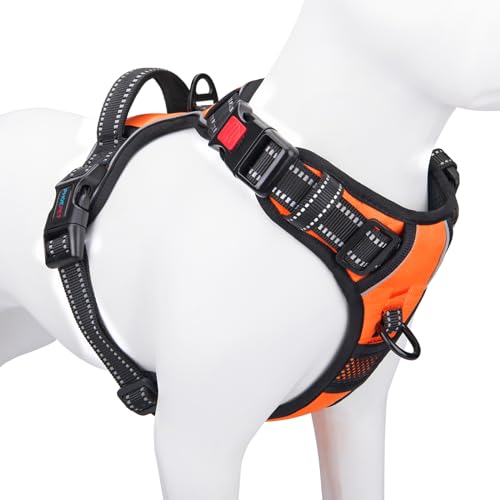
Learning how to wear a harness for dog correctly takes about two minutes once you know the routine. In this guide you will get the dog into the harness, fasten it without pinching, and run a quick fit check so it stays secure on walks, car rides and trips to the vet. Most fit problems come from skipping the check, so do not rush the last step.
Before You Start: Check the Harness Type
Harnesses come in a few styles, and the steps differ slightly depending on how they open. A step-in harness is pulled up over the legs and clipped across the back. An overhead style goes over the head and fastens along the chest and belly. Some models wrap around the body and close with buckles or hook-and-loop. If you are unsure which style you own, read the packaging or the manufacturer’s sizing chart before you begin. For a broader look at fit and sizing, see How to Choose and Fit a Dog Harness.
Shopping for one? See our guide: Buddy Belts Dog Harness vs Standard Step-In Harness: Which Should You Choose?.
Step-by-Step: Putting a Harness on Your Dog
- Loosen every strap fully. Open all buckles and pull the adjusters out so the harness is as large as possible before you start.
- Get your dog settled. Ask your dog to sit or stand still, and offer a treat. A calm dog is much easier to dress.
- Position the chest piece. For a step-in harness, lift each front leg into its loop one at a time. For an overhead harness, slide the head through the opening, then bring the chest panel under the chest.
- Fasten the back buckle. Bring the clip or buckle across the back, behind the shoulders, and close it.
- Tighten the straps evenly. Adjust the chest and belly straps so the harness sits snugly, then check the fit with the finger test below.
The Two-Finger Fit Check
Slide two fingers flat under each strap, especially the chest and belly bands. You should feel slight resistance but no pinching or pressure marks. Check that the harness does not slide toward the neck or ride up toward the throat. The front attachment point should sit on the breastbone, roughly centered between the front legs, not on the throat.
Checklist: What You Need Before You Begin
- The harness, with all buckles open and adjusters loose
- Treats to keep your dog calm and still
- A flat, quiet spot where your dog can stand without bolting
- A leash, attached only after the fit check is complete
Common Mistakes to Avoid
- Leaving it too loose. A loose harness can slip over the head or shoulders, especially on dogs with narrow chests.
- Over-tightening. If you cannot fit two fingers under the straps, loosen them. Tight straps can chafe the skin and restrict breathing.
- Attaching the leash to the wrong ring. Front-clip and back-clip rings do different jobs, so confirm which ring you are using before you walk.
- Skipping the fit check after a few weeks. Dogs gain and lose weight, and coats change with the seasons. Recheck fit regularly.
- Forcing a reluctant dog. If your dog pulls away, pause and reward calm behavior before trying again.
Recommended Gear
A well-fitting harness is the core of this routine. Choose one with simple adjusters you can reach easily, since most fitting errors happen when the straps are hard to reposition.
- Ruffwear Front Range Harness: A padded, adjustable everyday harness with a front and back attachment point that many owners use for daily walks. View on Amazon
- PetSafe Easy Walk Harness: A front-clip design that many owners pair with training walks to discourage pulling. View on Amazon
- Kurgo Tru-Fit Smart Harness: A step-in style with a fit-focused design, useful for dogs that dislike going over the head. View on Amazon
Tips for Making It Routine
- Keep the harness in the same spot so your dog learns what it means.
- Use a consistent cue word such as “harness” before you put it on.
- Practice indoors for a few minutes before the first real walk.
- Hang the harness where you can reach it quickly, so you are not fumbling at the door.
FAQ
How tight should a dog harness be?
You should be able to slide two fingers flat under the straps without forcing them. Too tight causes chafing, and too loose lets the harness slip.
Can I leave a harness on my dog all day?
Harnesses are designed for supervised wear and walks. Remove it when your dog is crated or resting, and ask your veterinarian if you have concerns about long-term wear.
What if my dog hates being dressed?
Work in short sessions, pair the harness with treats, and move slowly. If discomfort persists or your dog shows signs of pain, consult a professional trainer or your veterinarian.
Conclusion
Once you have the steps down, fitting a harness takes only a minute or two. Loosen the straps, guide your dog in calmly, and run the two-finger check every time. Consistent fit checks keep your dog comfortable and secure on every outing.
Related reading
- Easy Walk Dog Harness: How to Pick and Fit One for Calm Walks
- Front-Clip vs Back-Clip Dog Harness: Which One Is Better?
- Dog Hair Cutting Harness vs Grooming Rake: Which Should You Choose?
Ready to choose one?
About Claire Whitaker
Claire Whitaker is part of our editorial team and reviews and edits our everyday pet gear guides, checking product details against manufacturer specifications and owner feedback.