 By Claire Whitaker
Updated November 2026
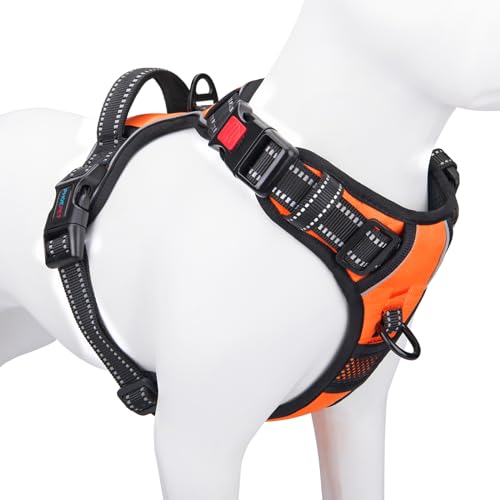
A dog harness k9 julius style harness is built around a padded body, adjustable straps and a handle on the back, and it is designed for dogs that need a bit more control and support than a basic collar gives them. This guide walks you through measuring your dog, checking the fit, and making the harness comfortable for everyday walks. By the end, you will know how to size it, put it on correctly, and spot problems before they cause chafing or slipping.
Measure Your Dog Before You Buy or Adjust
Most harness sizing charts ask for two measurements: girth (the widest part of the chest, just behind the front legs) and neck circumference (where a collar would sit). Use a soft tape measure and keep it snug but not tight. Compare these numbers against the size chart on the product page, and if your dog falls between two sizes, the manufacturer’s guidance on the chest strap usually decides it.
Shopping for one? See our guide: Buddy Belts Dog Harness vs Standard Step-In Harness: Which Should You Choose?.
- Chest girth: measure at the widest point, with the tape level.
- Neck: measure where the collar would normally sit.
- Weight and breed: use these only as a rough check, since body shape varies a lot.
Fit the Harness Step by Step
Put the harness on before you clip on the leash, and do it in a calm spot so your dog stays still. Lay the harness flat, let your dog step into the chest loop, then bring the strap over the back and fasten the buckles. Adjust the straps so you can slide two fingers flat under each strap, with no gaps and no pinching.
- Loosen all straps fully before starting.
- Guide the chest piece over the head or step into it, depending on the design.
- Fasten the side buckles and check the chest strap sits in the centre of the sternum.
- Tighten the girth strap until it is snug, then recheck the two-finger rule.
- Walk your dog a few steps indoors and watch for rubbing at the armpits or behind the front legs.
Check Movement, Balance and Comfort
A well-fitted harness should not restrict the front legs or shift toward the neck when your dog pulls. Watch your dog trot and sit, and look for signs of rubbing, such as licking the chest, reluctance to walk, or hair loss under the straps. If the harness rides up toward the shoulders or slides back, the girth is usually too loose or the chest piece is too high.
| Check | Good sign | Fix if not |
|---|---|---|
| Two-finger gap | Snug, no pinching | Adjust girth or chest strap |
| Position on chest | Centred on sternum | Shorten or re-route chest strap |
| Movement | Free front-leg motion | Loosen straps slightly |
| Skin | No redness after walks | Check size, add padding, or switch fit |
For a broader walkthrough of fitting and everyday routines, see How to Use a Dog Harness Correctly: Step-by-Step Fit and Walking Tips and Walking Dog with a Harness: Step-by-Step Guide for Safe, Comfortable Walks.
Choose the Right Setup for Your Dog
The main decision is where the leash clips. A back clip suits calm dogs, while a front clip can help a dog that pulls. If you are unsure which suits your dog, Front-Clip vs Back-Clip Dog Harness: Which One Is Better? explains the trade-offs. Also consider how your dog gets in and out of the harness, since step-in and over-the-head styles behave differently.
Dog Harness K9 Julius: Common Mistakes to Avoid
- Buying by weight alone and skipping the chest measurement.
- Leaving straps loose because the dog seems fine on the first walk.
- Clipping the leash to the wrong ring, which changes how the harness pulls.
- Ignoring rubbing or hair loss under the straps.
- Using the harness on a dog with a skin condition or injury without checking with your veterinarian first.
Recommended gear
A standard leash with a sturdy snap hook pairs well with most back-handle harnesses, and an extra set of treats makes it easier to reward calm fitting sessions. View on Amazon
A soft-bristled brush helps you check the coat under the straps after walks, especially on thick-coated dogs. View on Amazon
FAQ
How do I know if my dog harness k9 julius is too tight?
If you cannot slide two fingers flat under each strap, or the chest piece presses into the skin, it is too tight. Loosen the girth first and recheck the fit after a short walk.
Can I use this harness on a puppy?
Puppies grow quickly, so measure again every few weeks and check the fit often. A veterinarian can advise on safe harness use for a young or growing dog.
How often should I check the harness for wear?
Check buckles, stitching and straps every week or two, especially if your dog pulls hard. Replace any part that frays, slips or fails to lock.
Conclusion
Measuring your dog correctly and checking the two-finger rule will solve most fit problems with any dog harness k9 julius style harness. Take the time to watch your dog walk, and adjust straps early if you see rubbing or slipping. For anything involving skin problems or mobility concerns, consult your veterinarian before changing your routine.
Related reading
Ready to choose one?
About Claire Whitaker
Claire Whitaker is part of our editorial team and reviews and edits our everyday pet gear guides, checking product details against manufacturer specifications and owner feedback.