 By Claire Whitaker
Updated November 2026
Choosing a harness for dog sled work means balancing pulling power, comfort on long runs and a fit that holds up on rough terrain. This list compares five harnesses sold on Amazon US, using the criteria that matter most: chest and back load distribution, padding, adjustability, and whether the design suits pulling, bikejoring or general sled exercise. Descriptions are based on manufacturer specifications and common owner feedback patterns.
Our top picks at a glance
- 1
 TOP CHOICEBest overallDog Pulling Harness (L, Black) X Back Mushing Husky Harness for Sled ExerciseView on Amazon
- 2
 TOP CHOICEBest for training with a whistleIRSTBL Dog Weight Pulling Harness with Training WhistleView on Amazon
- 3
 TOP CHOICEBest for chest-and-back everyday useDuuclume Pet Leash Chest Sled Dog HarnessView on Amazon
- 4
 Best for large work dogsPET ARTIST Dog Sled Harness for Large Work DogsView on Amazon
- 5
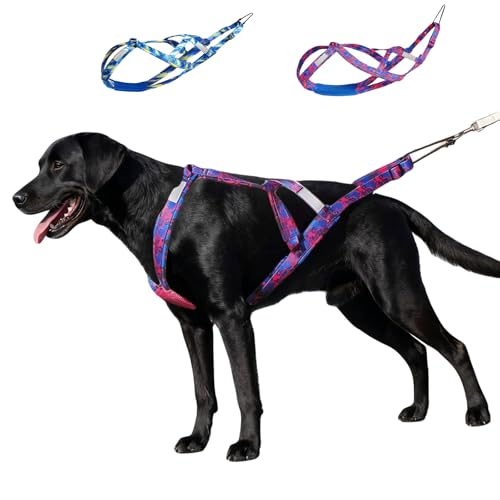 Best for heavy weight pullingGentleBliss Weight Pulling Harness for DogsView on Amazon
Our Top Picks
| Product | Best for | Key feature |
|---|---|---|
| Dog Pulling Harness X Back Mushing Husky Harness | Average dogs, sled exercise | X-back load distribution |
| IRSTBL Dog Weight Pulling Harness | Training and muscle building | Built-in training whistle |
| Duuclume Pet Leash Chest Sled Dog Harness | Everyday walks and training | Padded chest and back |
| PET ARTIST Dog Sled Harness | Large work dogs | Multi-sport design |
| GentleBliss Weight Pulling Harness | Heavy pulling and hiking | Heavy-duty X-back frame |
Dog Pulling Harness (L, Black) X Back Mushing Husky Harness for Sled Exercise
Dog Pulling Harness (L, Black) X Back Mushing Husky Harness for Sled Exercise, Pet Sledding, Bikejoring, Skijoring, Running, Canicross Scootering, for Average Sized Dog About 45-50LBS
Best for: Best overall for average-sized sled dogs
This X-back design suits owners running dogs in the roughly 45 to 50 pound range across sledding, bikejoring and canicross.
- X-back layout spreads pulling force across the shoulders and chest
- Listed for sledding, skijoring and scootering
Cons:
- Sizing is tight for dogs with deep chests
IRSTBL Dog Weight Pulling Harness with Training Whistle
IRSTBL Dog Weight Pulling Harness with Training Whistle, Large Breeds | Heavy-Duty, X-Back Canicross Harness, Muscle Building, Sledding & Working Dogs
Best for: Best for training with a whistle
Suited to owners who want a heavy-duty canicross-style harness for muscle-building sessions and working dogs in large breeds.
- Integrated training whistle for recall during runs
- Heavy-duty build for large breeds
Cons:
- Bulkier than lightweight canicross options
Duuclume Pet Leash Chest Sled Dog Harness
Duuclume Pet Leash Chest, Sled Dog Harness,Adjustable Pet Vest Chest and Back One, Heavy Duty Dog Harness, Thick Nylon and Padded, No Pull Harness for Training and Everyday (M)
Best for: Best for chest-and-back everyday use
A practical choice for owners who use one harness for training walks and light sled work, especially with dogs that need a padded fit.
- Thick padded nylon for comfort
- Adjustable chest and back panels
Cons:
- Less suited to heavy weight pulling
PET ARTIST Dog Sled Harness for Large Work Dogs
PET ARTIST Dog Sled Harness for Large Work Dogs, Dog Pulling Sledding Harnesses for Behaviors Training,Weight Pulling,Canicross,Ski-Joring
Best for: Best for large work dogs
Designed for large working dogs used in sledding, weight pulling and skijoring, with a focus on behavior training and steady pulling.
- Built for large work dogs
- Covers sledding, canicross and skijoring
Cons:
- Requires careful measuring for a correct fit
GentleBliss Weight Pulling Harness for Dogs
Weight Pulling Harness for Dogs – Running, Sled, Canicross & Large | GentleBliss – X-back pulling harness for weight pulling & sledding. Designed for large dogs, hiking, skijoring (Blue,XL)
Best for: Best for heavy weight pulling
Aimed at owners of large dogs doing weight pulling, hiking and skijoring who need a rigid X-back frame under load.
- X-back design for weight pulling
- Sized for large dogs (XL listed)
Cons:
- Stiffer feel may need a short break-in period
Buying Guide
Choose the right pulling style
X-back harnesses distribute force across the shoulders and chest, which suits most pulling work. Standard back-clip designs work for light training but may load the spine more under heavy pull.
Check fit before buying
Measure chest girth just behind the front legs and the length from the base of the neck to the tail base. Compare these to the manufacturer’s size chart rather than the dog’s weight alone.
Look for padding and adjustability
Padding at the chest and under the straps reduces rubbing on long runs. Adjustable straps let you adapt the harness as your dog’s coat or build changes.
Match the harness to the sport
Sledding and skijoring need a secure attachment point for the line, while canicross favors lighter, close-fitting designs. Check the listing for the sports it is built for.
Good picks for this: Dog Pulling Harness X Back Mushing Husky Harness, IRSTBL Dog Weight Pulling Harness
FAQ
Can I use a weight pulling harness for ordinary walks?
You can, but heavy-duty pulling harnesses are often stiffer and bulkier than needed for daily walks. A lighter training harness is usually more comfortable for everyday use.
How tight should a sled harness be?
You should be able to slide two fingers under the straps without the harness shifting or rubbing. Recheck the fit after the first few runs as the dog settles in.
Should I consult a professional before starting heavy pulling?
Yes. For dogs with joint, spine or respiratory concerns, check with a veterinarian before starting weight pulling or long sled sessions.
Related reading
- Wild Ones Dog Harness: How to Choose and Fit One for Daily Walks
- Walking Dog with a Harness: Step-by-Step Guide for Safe, Comfortable Walks
- Voyager Step in Air Dog Harness: How to Fit and Use It Correctly
- Top 5 Dog Harness Clips in Fronts for Easy Walks
About Claire Whitaker
Claire Whitaker is part of our editorial team and reviews and edits our everyday pet gear guides, checking product details against manufacturer specifications and owner feedback.