 By Claire Whitaker
Updated November 2026
Learning how to stop dog from pulling on leash is one of the most common goals for owners who walk their dogs every day. A dog that lunges at squirrels, drags you past the neighbor’s yard, or pops its shoulders against the collar turns a 20-minute walk into a workout for both of you. The products below were compared on the criteria that matter for daily use: how the device distributes force, how well it fits different body shapes, whether it works as a training aid or only as a restraint, and how owners typically describe its comfort and durability.
Best overall: STOP THE DOG FROM PULLING guide – View on Amazon
Our top picks at a glance
- 1
 TOP CHOICEBest overallSTOP THE DOG FROM PULLING: A Simple Leash Plan for Calmer WalksView on Amazon
- 2
 TOP CHOICEBest for structured home trainingThe Loose-Leash Blueprint: Stop Your Dog from Pulling on Walks in 21 DaysView on Amazon
- 3
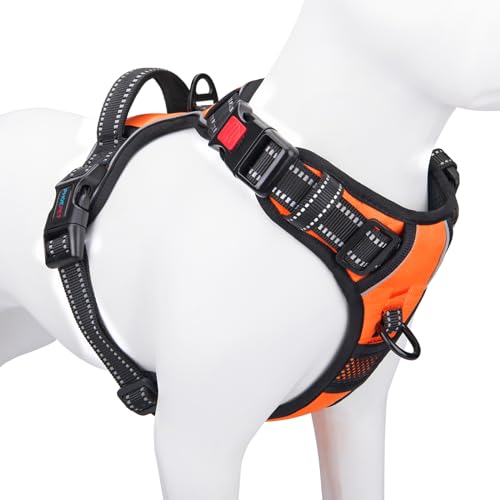
 TOP CHOICEBest for strong pullersHalti No Pull Harness (Size L) & Training Leash BundleView on Amazon
- 4
 Best for quick resultsStop Leash Pulling in 7 Days: The Gentle Step-by-Step MethodView on Amazon
- 5
 Best budget pickKontrol Freak 3-in-1 Modular Dog Training LeashView on Amazon
Our Top Picks
Quick Comparison
| Product | Best for | Key feature |
|---|---|---|
| STOP THE DOG FROM PULLING: A Simple Leash Plan for Calmer Walks | Owners who want a step-by-step plan | Written routine for loose-leash walking |
| The Loose-Leash Blueprint | Owners who prefer a longer training program | 21-day structure built on positive reinforcement |
| Halti No Pull Harness (Size L) & Training Leash Bundle | Large, strong dogs that pull hard | Front-attach harness that turns the dog gently toward you |
| Stop Leash Pulling in 7 Days | Owners who want a short, focused method | Seven-day plan without corrections or shock devices |
| Kontrol Freak 3-in-1 Modular Dog Training Leash | Medium and large dogs on a tighter budget | Stick trainer that converts to a regular leash |
STOP THE DOG FROM PULLING: A Simple Leash Plan for Calmer Walks
STOP THE DOG FROM PULLING: A Simple Leash Plan for Calmer Walks
Best for: Owners who want a clear, repeatable plan for loose-leash walking
This is a training guide rather than a physical device, which makes it a good fit for owners who already have a leash and harness that fit well and mainly need a method. It suits people who learn best from written steps and daily practice sessions.
Key specs
- Format: written training guide
- Focus: loose-leash walking for everyday routes
Pros
- Breaks the process into small steps you can practice in the yard or hallway
- Works with any harness or collar you already own
- Covers the reasons dogs pull, which helps you adjust the plan to your dog
Cons
- Results depend on consistent practice, and progress is gradual
- Does not change the physical forces on the leash, so very strong dogs may need added equipment
Bottom line: A strong first pick for owners who want a plan and already own sound walking gear.
View on AmazonThe Loose-Leash Blueprint: Stop Your Dog from Pulling on Walks in 21 Days
The Loose-Leash Blueprint: Stop Your Dog from Pulling on Walks in 21 Days, Using Calm, Kind Training
Best for: Owners who want a longer, structured home training program We also found 6 Best Dog Leash From Climbing Ropes for Strong Pullers (2026) useful on this point.
This program is designed for owners who can commit to several weeks of short sessions. It fits households with a patient routine and a dog that responds well to rewards and calm, consistent cues.
Key specs
- Format: 21-day written program
- Method: positive reinforcement and loose-leash cues
Pros
- Day-by-day structure keeps training sessions short and predictable
- Emphasizes kind methods, which many owners prefer
- Useful for building attention skills that carry over to busy streets
Cons
- Requires daily commitment over three weeks
- Owners with very reactive dogs may need help from a certified trainer as well
Bottom line: Best for owners who like a schedule and are ready to train every day for three weeks.
View on AmazonHalti No Pull Harness (Size L) & Training Leash Bundle
Halti No Pull Harness (Size L) & Training Leash (Size L, Black) Bundle | Stop Your Dog Pulling on The Leash | Adjustable, Lightweight & Easy to Use | Suitable for Large Dogs
Best for: Large, strong dogs that pull hard on walks
A front-attach harness changes the direction of pulling, so a dog that lunges forward is gently turned toward the handler. Owners of large or powerful dogs often choose this type when a standard back-clip harness does not give enough control.
Key specs
- Size: L
- Includes a matching training leash in black
- Adjustable, lightweight design (per listing)
Pros
- Front-attach design redirects forward motion without a choke collar
- Bundle includes the leash, so you do not need to buy one separately
- Adjustable straps help achieve a snug fit on larger chests
Cons
- Some dogs need a few sessions to get used to the front strap
- Fit must be checked carefully, since a loose harness can rub or slip
Bottom line: A practical choice for large dogs that pull hard and need more directional control.
View on AmazonStop Leash Pulling in 7 Days: The Gentle Step-by-Step Method
Stop Leash Pulling in 7 Days: The Gentle Step-by-Step Method to Calm Walks Without Yelling, Choking, or Shock Collars
Best for: Owners who want a short, focused method with quick daily steps
This guide is built around a one-week timeline and explicitly avoids yelling, choking and shock collars. It suits owners who want to see early progress and who prefer a gentle approach.
Key specs
- Format: seven-day written method
- Approach: no corrections, choke or shock devices
Pros
- Short timeline makes it easy to start right away
- Focuses on calm, rewarded walking rather than punishment
- Clear daily steps are simple to follow with any standard leash
Cons
- Seven days is a starting point; most dogs need longer to make lasting changes
- Works best alongside properly fitted equipment
Bottom line: Good for owners who want a quick, gentle starting plan and are willing to keep practicing afterward.
View on AmazonKontrol Freak 3-in-1 Modular Dog Training Leash
Kontrol Freak™ 3-in-1 Modular Dog Training Leash – Patented Stick Trainer to Stop Pulling, Heel Training Lead, Converts to Regular Leash – Reflective, Comfort Grip – Medium & Large Dogs
Best for: Medium and large dogs on a budget, when a stick-style training leash is the goal
This leash works as a stick trainer, a heel-training lead and a regular leash. Owners who want one tool that handles several walking situations often find the modular design useful.
Key specs
- Type: modular 3-in-1 training leash
- Listed for medium and large dogs
- Features reflective material and a comfort grip (per listing)
Pros
- The stick trainer gives extra control for heel practice
- Converts to a standard leash for everyday walks
- Reflective details help with early morning and evening walks
Cons
- The stick design takes practice to use smoothly
- Works best with a well-fitted collar or harness
Bottom line: A versatile budget-minded option for owners who want to practice heel work and still have a regular leash.
View on AmazonBuying Guide
Equipment Type: Harness, Collar or Training Leash
A back-clip harness spreads pressure across the chest and is gentle for most dogs, but a dog that lunges forward may keep pulling. A front-attach harness redirects forward motion toward you, which many owners find helpful for strong pullers. A standard collar works for calm dogs but can cause neck strain in dogs that pull hard. Check the manufacturer’s instructions for fit and never use a collar or harness that is not designed for walking.
Good picks for this: Halti No Pull Harness (Size L) & Training Leash Bundle, Kontrol Freak 3-in-1 Modular Dog Training Leash
Fit and Sizing
A harness should sit flat against the chest and allow two fingers to slide under the straps. Measure your dog’s chest girth at the widest point and compare it to the size chart. A harness that is too loose can slip, and one that is too tight can rub or restrict breathing. Recheck the fit after the first few walks, because straps can stretch.
Good picks for this: Halti No Pull Harness (Size L) & Training Leash Bundle
Leash Length and Handling
A 4 to 6 foot leash is standard for daily walks and gives enough room for a dog to move without tugging. A shorter leash gives more control near traffic, while a longer one suits open areas. Look for a comfortable handle that does not dig into your palm, and avoid retractable leashes for strong pullers because they reduce your control.
Good picks for this: Kontrol Freak 3-in-1 Modular Dog Training Leash, Halti No Pull Harness (Size L) & Training Leash Bundle
Training Method and Approach
Equipment only manages pulling; training teaches the dog to walk nicely. Look for methods built on rewards, cue words and short practice sessions. Avoid tools or programs that rely on pain, yelling or choking. A written plan can help you stay consistent, especially in the first few weeks.
Good picks for this: The Loose-Leash Blueprint: Stop Your Dog from Pulling on Walks in 21 Days, STOP THE DOG FROM PULLING: A Simple Leash Plan for Calmer Walks
Size and Strength of Your Dog
Small dogs may pull less force but still benefit from a well-fitted harness. Large, strong dogs can generate enough force to injure an owner or the dog if equipment is weak or poorly fitted. Choose gear rated or labeled for your dog’s size and check that buckles, clips and stitching look sturdy.
Good picks for this: Halti No Pull Harness (Size L) & Training Leash Bundle, Kontrol Freak 3-in-1 Modular Dog Training Leash
Durability and Materials
Nylon webbing and reinforced stitching hold up better to daily use than thin fabric. Metal hardware should be corrosion-resistant, especially for dogs that swim or walk in rain. Inspect equipment every few weeks for fraying, loose rivets or worn clips, and replace anything that shows damage.
Good picks for this: Halti No Pull Harness (Size L) & Training Leash Bundle, Kontrol Freak 3-in-1 Modular Dog Training Leash
Visibility and Everyday Use
Early morning and evening walks are easier with reflective details on the leash or harness, both for drivers and for other people on the path. Consider how the gear will feel after a long walk, including grip comfort and how easily you can clip and unclip it.
Good picks for this: Kontrol Freak 3-in-1 Modular Dog Training Leash, Stop Leash Pulling in 7 Days
FAQ
How long does it take to stop a dog from pulling on leash?
Most dogs show some improvement within one to three weeks of short, daily practice, but lasting change often takes several months. Dogs with a long history of pulling, or dogs that are very excited on walks, may need more time. Progress is usually uneven, so expect good days and setbacks.
Is a harness better than a collar for a dog that pulls?
For many dogs, a well-fitted harness is easier on the neck than a collar, especially for dogs that lunge hard. A front-attach harness can help redirect forward pulling. The best choice depends on your dog’s size, build and temperament, so check the fit and ask a trainer if you are unsure.
Should I use a retractable leash to stop pulling?
Retractable leashes generally make it harder to control a pulling dog because the line gives the dog room to build momentum. Most trainers recommend a fixed-length leash, typically 4 to 6 feet, while teaching loose-leash walking.
What should I do when my dog stops and refuses to walk?
Stop moving, stay calm, and wait until the leash loosens before continuing. Reward the dog for taking a step toward you or looking back. Pulling against a stopped dog often increases resistance, so changing direction and rewarding attention tends to work better.
Can I use a shock or choke collar to stop pulling?
Many professional organizations advise against shock and choke collars because they can cause pain, fear or injury and may worsen behavior problems. If pulling is severe, consult a certified professional dog trainer or a veterinarian to find a humane approach that fits your dog.
Do I need a trainer to fix leash pulling?
Many owners succeed with written plans and consistent practice. A certified trainer can help if your dog is very reactive, if progress stalls, or if pulling is linked to fear or aggression. Look for trainers certified through recognized programs.
Conclusion
Learning how to stop dog from pulling on leash usually combines the right equipment with consistent training. For most owners, STOP THE DOG FROM PULLING: A Simple Leash Plan for Calmer Walks is a practical starting point, while The Loose-Leash Blueprint suits those who want a longer structured program. Owners of large, strong dogs may find the Halti No Pull Harness bundle more useful for directional control. Those who want a quick, gentle method can look at Stop Leash Pulling in 7 Days, and budget-minded owners who want heel training practice may consider the Kontrol Freak 3-in-1 leash. Whatever you choose, check fit regularly and keep sessions short and positive. If pulling is severe, consult a certified trainer or veterinarian.
Sources
- Guidance on loose-leash walking, harness fit and basic dog training methods (akc.org)
- Consumer safety information on pet equipment and product recalls (cpsc.gov)
Related reading
- Off Leash Dog Trails: How to Find Safe Options and Use Them Well
- How to Walk Dog on Leash Calmly: 5 Steps That Actually Work
- How to Leash Train a Dog: 3 Best Training Leashes Compared (2026)
About Claire Whitaker
Claire Whitaker is part of our editorial team and reviews and edits our everyday pet gear guides, checking product details against manufacturer specifications and owner feedback.