By Claire Whitaker
Updated November 2026
Choosing a harness for dog sledding is less about brand names and more about how the harness moves with a dog that is pulling hard for long stretches. A good sled or pulling harness spreads force across the chest and shoulders, keeps the shoulder blades free, and stays put when the dog lunges, turns, or runs through deep snow. The picks below were selected by comparing manufacturer specifications, brand reputation, and the patterns owners tend to describe in their feedback, with a focus on X-back geometry, sizing range, padding, adjustability, and suitability for large working dogs. This is a research-based comparison; none of these products were tested in our own sled runs.
Our top picks at a glance
- 1
 TOP CHOICEBest overallDog Pulling Harness (L, Black) X Back Mushing Husky Harness for Sled EView on Amazon
- 2
 Best for large working dogsPET ARTIST Dog Sled Harness for Large Work Dogs, Dog Pulling SleddingView on Amazon
- 3
 Best for training with a whistleIRSTBL Dog Weight Pulling Harness with Training Whistle, Large BreedsView on Amazon
- 4
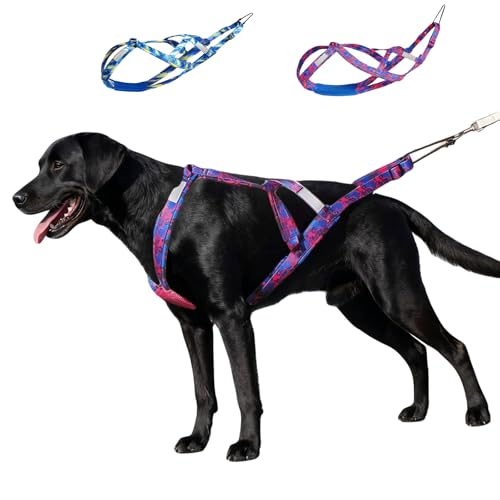 Best for mixed use (sled, canicross, skijoring)Weight Pulling Harness for Dogs – Running, Sled, Canicross & Large | GView on Amazon
Our Top Picks
Quick Comparison
| Product | Best for | Key feature |
|---|---|---|
| Dog Pulling Harness (L, Black) X Back Mushing Husky Harness | Average-sized sled and bikejoring dogs | X-back design sized for about 45–50 lb dogs |
| PET ARTIST Dog Sled Harness | Large working dogs | Sled and weight-pulling build for heavier dogs |
| IRSTBL Dog Weight Pulling Harness with Training Whistle | Pulling-focused training | Included training whistle and heavy-duty X-back frame |
| GentleBliss Weight Pulling Harness | Mixed sled, canicross, and skijoring use | Large-dog X-back fit with a bright red colorway for visibility |
Dog Pulling Harness (L, Black) X Back Mushing Husky Harness for Sled Exercise, Pet Sledding, Bikejoring, Skijoring, Running, Canicross Scootering, for Average Sized Dog About 45-50LBS
Dog Pulling Harness (L, Black) X Back Mushing Husky Harness for Sled Exercise, Pet Sledding, Bikejoring, Skijoring, Running, Canicross Scootering, for Average Sized Dog About 45-50LBS
Best for: Average-sized sled and bikejoring dogs
This harness suits owners with medium-to-large dogs in the roughly 45–50 lb range who want a multi-sport X-back harness for sled exercise, bikejoring, and canicross. The listing name points to a size-specific fit, so it is a good match when your dog falls within that weight band.
Key specs
- Size listed: L
- Color listed: Black
- Intended for average dogs around 45–50 lb
- X-back pulling design for sled, bikejoring, skijoring, and canicross
Pros
- Size range is stated clearly in the listing, which helps with matching to dog weight
- X-back geometry is the standard layout for pulling sports
- Covers several activities, so one harness can serve sled sessions and runs
Cons
- Best suited to dogs near the listed weight; very large or small dogs may need a different size
- Sizing still requires careful chest and girth measurement before buying
Bottom line: A solid choice for owners with mid-sized sled or pulling dogs who want one harness for several activities. Confirm the girth measurement before ordering.
View on AmazonPET ARTIST Dog Sled Harness for Large Work Dogs, Dog Pulling Sledding Harnesses for Behaviors Training, Weight Pulling, Canicross, Ski-Joring
PET ARTIST Dog Sled Harness for Large Work Dogs, Dog Pulling Sledding Harnesses for Behaviors Training,Weight Pulling,Canicross,Ski-Joring
Best for: Large working dogs
Designed for large working breeds, this harness fits owners whose dogs are built for sustained pulling and want a sled-style harness that also works for training and weight-pulling sessions.
Key specs
- Designed for large work dogs
- Pulling harness for sledding, canicross, and ski-joring
- Suitable for behavior training and weight pulling
Pros
- Built for large dogs, which covers the heavier end of working breeds
- Versatile across sledding, training, and weight pulling
- Pulling-focused construction suits sustained load
Cons
- Large-dog sizing means smaller dogs will not fit well
- Owners sometimes mention that the fit takes adjustment to get right on wider-chested dogs
Bottom line: Best for owners of large working dogs who want a sled-and-training harness with a proven pulling layout.
View on AmazonIRSTBL Dog Weight Pulling Harness with Training Whistle, Large Breeds | Heavy-Duty, X-Back Canicross Harness, Muscle Building, Sledding & Working Dogs
IRSTBL Dog Weight Pulling Harness with Training Whistle, Large Breeds | Heavy-Duty, X-Back Canicross Harness, Muscle Building, Sledding & Working Dogs
Best for: Pulling-focused training
This option is aimed at owners who want to build pulling strength and recall in the same tool. The included training whistle makes it practical for handlers running structured conditioning sessions.
Key specs
- Heavy-duty X-back canicross design
- Includes a training whistle
- Marketed for large breeds, sledding, and working dogs
Pros
- Training whistle is included in the listing
- Heavy-duty X-back construction suits conditioning work
- Positioned for muscle building as well as sledding
Cons
- Large-breed focus means it is not suited to small or medium dogs
- Owners sometimes note that the whistle is a secondary feature rather than a core training tool
Bottom line: A good pick for handlers who prioritize pulling conditioning and recall training alongside sled work.
View on AmazonGentleBliss Weight Pulling Harness for Dogs – Running, Sled, Canicross & Large, X-back pulling harness for weight pulling & sledding (M, Red)
Weight Pulling Harness for Dogs – Running, Sled, Canicross & Large | GentleBliss – X-back pulling harness for weight pulling & sledding. Designed for large dogs, hiking, skijoring(M,Red)
Best for: Mixed sled, canicross, and skijoring use
This harness suits owners who run their dog across several disciplines and want a bright, easy-to-spot color for trail and winter use. The listing covers hiking and skijoring in addition to sled and weight pulling.
Key specs
- Size listed: M
- Color listed: Red
- X-back pulling design for weight pulling and sledding
- Suitable for running, canicross, hiking, and skijoring
Pros
- Red colorway improves visibility on snow and trail
- Covers a wide range of activities from one harness
- X-back layout keeps the pulling load off the neck
Cons
- Listed as a large-dog harness, so the M size needs careful measuring against your dog
- Owners often recommend checking the chest strap fit before extended pulling
Bottom line: Suited to owners who want one visible, multi-sport X-back harness for sled, skijoring, and trail work.
View on AmazonBuying Guide
X-back versus H-back geometry
X-back harnesses place the pulling point high on the dog’s back, which keeps the shoulders free and reduces side-to-side pressure during long pulls. H-back and step-in styles are common for everyday walking but are less often designed for sustained load. For sled and pulling work, look for a clearly labeled X-back frame.
Good picks for this: Dog Pulling Harness (L, Black) X Back Mushing Husky Harness; GentleBliss Weight Pulling Harness
Sizing and chest measurement
Measure the girth just behind the front legs and at the widest point of the chest. Compare against the manufacturer’s size chart rather than the dog’s overall weight, since build varies a lot among working breeds. Check that two fingers fit under each strap, and confirm the harness does not ride up when the dog is loaded.
Good picks for this: PET ARTIST Dog Sled Harness; Dog Pulling Harness (L, Black) X Back Mushing Husky Harness
Padding and chafing protection
Long sessions in snow or on rough trail can chafe the armpits and chest. Look for padded chest panels and wide, flat webbing. Check the underarm area after the first few runs for redness or hair loss, and adjust the strap position if needed.
Good picks for this: IRSTBL Dog Weight Pulling Harness with Training Whistle; PET ARTIST Dog Sled Harness
Intended activity
A harness built for sled work may differ from one designed for canicross, skijoring, or weight pulling. Match the harness to your main activity. If you plan to switch between disciplines, choose a model that lists multiple uses and confirm the attachment point suits your line.
Good picks for this: GentleBliss Weight Pulling Harness; IRSTBL Dog Weight Pulling Harness with Training Whistle
Durability and stitching
Pulling loads concentrate stress on the stitching at the back attachment and the chest strap. Inspect seams, buckles, and webbing before each season. Heavy-duty construction and reinforced stitching matter more for large, strong dogs than for everyday walkers.
Good picks for this: IRSTBL Dog Weight Pulling Harness with Training Whistle; PET ARTIST Dog Sled Harness
Visibility in winter and low light
Snow, dusk, and wooded trails reduce visibility quickly. A bright color or reflective trim makes it easier for other handlers and drivers to see your team. Check whether the color is a stated feature of the model before you buy.
Good picks for this: GentleBliss Weight Pulling Harness
Training and conditioning features
Some harnesses are marketed for weight pulling and conditioning, which can matter if you are building strength over a season. Consider whether you need extra features such as a training whistle or a design aimed at sustained load, and whether those features match how you train.
Good picks for this: IRSTBL Dog Weight Pulling Harness with Training Whistle; PET ARTIST Dog Sled Harness
FAQ
What is the difference between a sled harness and a regular walking harness?
A sled or pulling harness is built to transfer force across the chest and back during sustained load. Most are X-back designs with padded chest panels and reinforced attachment points. A standard walking harness is designed for short, low-force walks and may not hold up under long pulls.
How do I know if an X-back harness fits my dog?
Check that the straps sit clear of the shoulder blades and do not press into the armpits. You should be able to slide two fingers under each strap. Watch the dog move at a walk and a trot to confirm the harness stays in place.
Can one harness be used for sledding, canicross, and skijoring?
Some multi-sport models list several activities, but the best fit depends on the attachment point and the load you expect. Confirm the listed uses and check that the line attaches where you need it before you commit to one harness for every discipline.
How often should I inspect a pulling harness?
Inspect it before and after each session during active seasons. Look at stitching, buckles, webbing, and D-rings for wear, fraying, or loose hardware. Replace any harness that shows damage at a stress point.
Should I consult a professional before starting sled work with my dog?
Yes. A veterinarian can confirm that your dog is physically ready for sustained pulling, especially for young, senior, or injured dogs. A certified trainer or experienced sled handler can help you choose the right harness and introduce pulling safely.
Is a harness enough, or do I need other gear for sled work?
A harness is one part of the setup. You will also need a line, a wheel or sled attachment as appropriate, and proper footwear for the dog if conditions are harsh. Check your activity’s safety guidelines for the complete kit.
Conclusion
For most handlers, the Dog Pulling Harness (L, Black) X Back Mushing Husky Harness is a sensible starting point if your dog falls in the listed 45–50 lb range and you want one harness for several activities. For large working dogs, the PET ARTIST Dog Sled Harness is built for heavier loads. Owners focused on conditioning and recall may prefer the IRSTBL model, while the GentleBliss harness suits mixed sled, skijoring, and trail use where visibility matters. Measure your dog carefully and match the fit to your main activity before ordering.
Sources
- Product safety guidance and recall information for pet and animal-related gear (cpsc.gov)
- Breed information, exercise guidance, and responsible sport recommendations for working dogs (akc.org)
- Veterinary guidance on exercise, conditioning, and physical readiness for dogs (avma.org)
Related reading
- Wild Ones Dog Harness: How to Choose and Fit One for Daily Walks
- Walking Dog with a Harness: Step-by-Step Guide for Safe, Comfortable Walks
- Voyager Step in Air Dog Harness: How to Fit and Use It Correctly
About Claire Whitaker
Claire Whitaker is part of our editorial team and reviews and edits our everyday pet gear guides, checking product details against manufacturer specifications and owner feedback.