By Claire Whitaker
Updated November 2026
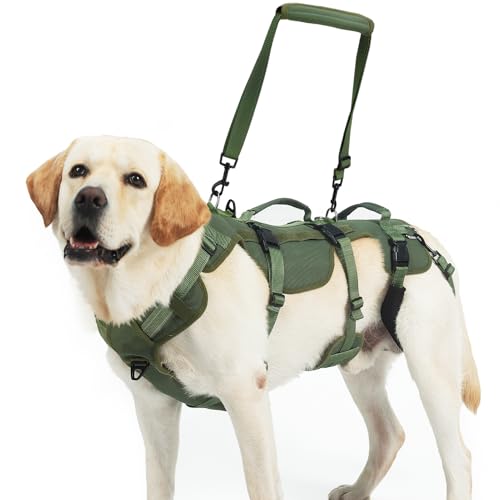
A two hounds dog harness is a practical choice for everyday walks, and getting it right comes down to three things: measuring your dog correctly, choosing the right style for how your dog pulls or moves, and checking the fit before every outing. This guide walks you through each step so the harness stays comfortable, secure and easy to put on.
Why Two Hounds Dog Harness Fit Matters More Than the Brand
Most harness problems come from poor fit, not from the harness itself. A correctly sized harness distributes pressure across the chest and shoulders instead of the neck or the thin skin behind the front legs. It also keeps the dog from backing out of it, which is one of the most common escape routes on a walk. Whatever style you pick, measure before you buy and check the fit again after the first few walks, since coats, weight and body shape can all change.
Shopping for one? See our guide: Buddy Belts Dog Harness vs Standard Step-In Harness: Which Should You Choose?.
Step 1: Measure Your Dog Before You Choose a Size
Manufacturers size harnesses by chest girth and sometimes by neck and weight, so take measurements rather than guessing from your dog’s breed or weight alone. Use a soft cloth tape measure and keep it snug without compressing the coat.
- Chest girth: Measure around the widest part of the chest, just behind the front legs. This is the most important number for most harnesses.
- Neck circumference: Measure where a collar would sit. Some harnesses also list this for the neck opening.
- Body length (if listed): Measure from the base of the neck to the base of the tail on some styles, particularly if the chart asks for it.
- Weight: Use this only as a rough check. Two dogs of the same weight can have very different chest shapes.
Compare your numbers against the size chart on the specific product page. If your dog falls between two sizes, many owners find the smaller size fits better for dogs with a narrow frame, while the larger size suits deep-chested dogs. Check the official sizing guide from the manufacturer if you are unsure, since charts vary.
Step 2: Choose the Right Harness Style for Your Dog
Harness style affects how your dog pulls and how you control the walk. Front-clip designs redirect a pulling dog toward you, while back-clip designs are better suited to calm walkers and dogs who need freedom of movement. Many two hounds style harnesses use a padded chest and a sturdy back attachment point, so think about which clip position matches your walking goals. For a deeper comparison, see Front-Clip vs Back-Clip Dog Harness: Which One Is Better?.
Consider Your Dog’s Build and Coat
Dogs with deep chests, long legs or thick coats often need a harness with adjustable straps at both the chest and girth. Short-coated dogs may do well with a thinner webbing. If your dog has sensitive skin, look for padded panels that do not rub when the dog trots. Breeds with narrow shoulders may slip out of a loosely fitted harness more easily, so pay close attention to strap tension.
Think About Where You Walk
Urban walks, trail hikes and quick trips to the yard place different demands on a harness. Reflective trim helps on early-morning or evening walks. Heavier-duty webbing and metal hardware suit dogs who scramble over rocks or brush. For a broader look at matching design to routine, read Dog Harness 2 Hounds Design: How to Fit and Choose the Right Size.
Step 3: Fit the Harness Correctly
Once you have the right size, adjust the harness on your dog before every walk. A fit check takes about thirty seconds and prevents most problems.
- Loosen all straps fully, then lay the harness on the ground or hold it open at the chest.
- Guide your dog’s front legs through the openings, then fasten the buckle behind the shoulders.
- Tighten the chest strap until you can slide two fingers flat under it. Not one, not three.
- Adjust the girth strap so it sits snugly behind the front legs and does not slide toward the belly.
- Check that the back attachment point sits between the shoulder blades, not over the spine or lower back.
- Walk your dog a few steps indoors. Watch for rubbing, bunching under the legs or the dog trying to back out.
For step-by-step instructions on putting the harness on, see How to Use a Dog Harness Correctly: Step-by-Step Fit and Walking Tips and How to Put On a Dog Body Harness: A Step-by-Step Guide for Beginners.
Signs the Fit Is Wrong
- The harness slides backward or sits high on the neck.
- Your dog limps, shakes its body or keeps trying to scratch at the straps.
- Red patches, flattened fur or a worn spot appear after a walk.
- You can fit more than three fingers under the chest strap.
- The dog slips out easily when it shakes or sits.
Step 4: Build a Pre-Walk Routine
A consistent routine makes the harness feel normal instead of stressful. Use a short checklist each time you head out.
- Confirm the size still fits after any change in weight or coat.
- Check buckles, stitching and D-rings for wear.
- Attach the leash to the correct clip, front or back, for the walk you have planned.
- Carry a spare leash clip or a small tool kit if you walk on trails.
- Reward your dog for standing still while you fasten the harness.
Common Mistakes to Avoid
Most owners run into the same few errors. Avoiding them will keep your dog safer and more comfortable.
- Sizing by breed alone. Always measure chest girth first.
- Leaving straps too loose. A loose harness is the most common cause of escape.
- Overtightening. A harness that digs in can cause rubbing and restrict breathing.
- Ignoring wear. Frayed webbing and bent hardware should be replaced, not patched.
- Using a front-clip harness for every situation. Match the clip to the walk and the dog’s behavior.
- Skipping the fit check after a bath or coat change. Wet or fluffy coats change how the harness sits.
Tips for Long-Term Comfort
Rotate between two harnesses if you walk your dog daily, which lets each one dry and recover its shape. Wash padded harnesses according to the label, and air-dry them away from direct heat. Watch for changes in your dog’s body over time, especially in puppies still growing or senior dogs losing muscle. If your dog has a mobility problem, a health condition or a history of injury, ask your veterinarian which harness style is safest before you start regular walks.
Recommended gear
A few supplies make fitting and walking with a two hounds dog harness easier.
- A soft cloth measuring tape: Helps you get an accurate chest girth before ordering, since stiff tape can give a misleading reading. View on Amazon
- A padded leash with a swivel clip: Reduces tangling and keeps the leash from pulling on the harness at an awkward angle. View on Amazon
- A reflective strip or clip-on light: Increases visibility on early-morning and evening walks. View on Amazon
FAQ
How do I know which size two hounds dog harness to buy?
Measure your dog’s chest girth just behind the front legs and compare it to the manufacturer’s size chart. If your measurement falls between sizes, check the product page for guidance on snug versus roomy fit.
How tight should the harness be?
You should be able to slide two fingers flat under the chest and girth straps. The harness should not slide around, but it should not restrict breathing or leave marks.
Can a two hounds dog harness stop pulling completely?
A front-clip design reduces pulling by turning the dog toward you, but no harness replaces training. Pair the right harness with consistent leash training and short, rewarded walks.
Is it safe to leave the harness on all day?
Most owners remove harnesses during rest and sleep, since constant wear can cause rubbing and trap moisture. Check the skin under the straps regularly and ask your veterinarian if you see irritation.
How often should I replace the harness?
Replace it when webbing frays, stitching loosens, buckles crack or D-rings bend. Regular inspection once a week is a good habit for daily walkers.
What if my dog backs out of the harness?
Check the fit first, since most escapes come from loose straps. If the problem continues, the size or style may not suit your dog’s build, and a professional trainer or veterinarian can help you find a better option.
Can I use the same harness for running or hiking?
Some owners do, but activity levels and terrain matter. Heavier use calls for sturdier hardware and a tighter, more secure fit. Read guidance on Running with Dog Harness: A Step-by-Step Guide for Safe Runs before you start.
When should I talk to a professional?
If your dog has joint problems, breathing issues, a spinal condition, or a history of injury, consult your veterinarian before choosing a harness. A certified trainer can also help if pulling or harness-related anxiety persists.
Conclusion
A well-fitting two hounds dog harness makes daily walks safer and more comfortable for both you and your dog. Measure carefully, choose a clip position that suits your walking goals, and run a quick fit check before every outing. Revisit the fit as your dog’s coat and body change, and consult a professional if you notice ongoing discomfort.
Ready to choose one?
About Claire Whitaker
Claire Whitaker is part of our editorial team and reviews and edits our everyday pet gear guides, checking product details against manufacturer specifications and owner feedback.