By Claire Whitaker
Updated November 2026
An open space off-leash dog area gives your dog room to run, sniff and burn energy without a leash, but the best experience depends on knowing where these areas are, what the local rules require and how your dog behaves around other dogs and people. This guide walks you through finding a suitable open space, deciding whether your dog is ready, preparing for your visit and handling the situations that come up most often. By the end, you will have a clear plan for your first trip and a checklist you can reuse.
What Makes an Open Space Off-Leash Dog Area Different
Open space areas are usually large, natural or semi-natural tracts of land such as meadows, fields, grassy hillsides or land next to trails. They differ from fenced dog parks in a few important ways. There is typically no double-gate entry, the boundaries may be marked only with signs or natural features, and the terrain can include uneven ground, tall grass, creek crossings and wildlife. Because the space is larger, dogs can spread out, which often reduces crowding but can make it harder to keep track of your dog.
Shopping for one? See our guide: Bike Leash vs Hands-Free Bike Leash: Dog Leash for a Bike Compared.
Some open space areas allow off-leash use only during set hours or seasons, while others permit it all day. Many also have shared spaces where leashed hikers, cyclists or horses pass through. Knowing these differences before you go helps you set realistic expectations and choose the right time to visit.
Step 1: Find a Legal, Suitable Location
Start with your city, county or land manager’s website. Search for terms such as “off-leash areas,” “dog recreation” or “open space dog rules.” Parks departments and open space districts usually publish maps showing where off-leash use is allowed, and many list seasonal closures for nesting birds, wet-weather damage or construction. Look for official sources rather than user-posted lists, since boundaries and rules change.
When you find a candidate site, check these details:
- Whether off-leash use is allowed at all times or only during posted hours
- Whether dogs must have current license tags or proof of rabies vaccination
- Whether there are limits on the number of dogs per person
- Whether bringing a dog in heat, a puppy under a certain age or a dog with a bite history is restricted
- Whether cleanup bags and trash receptacles are provided, or whether you must bring your own
For specific examples of how individual sites handle these questions, you can review guides such as Woodview Off-leash Dog Area: What to Know Before Your First Visit and Miller Meadow Off Leash Dog Area: What to Know Before Your Visit, which show the kinds of details to look for at each location.
Step 2: Decide Whether Your Dog Is Ready
An open space is not automatically right for every dog. Before you unclip the leash, honestly assess your dog’s recall, social behavior and energy level. Strong recall means your dog returns reliably when called, even with distractions like squirrels, other dogs or interesting smells. If your dog ignores you more than half the time in your yard, practice more at home and on a long line before you try an open space.
Consider these readiness signals:
- Your dog responds to its name and a recall cue at least most of the time in quiet settings
- Your dog stays calm and does not guard toys, food or you around other dogs
- Your dog can settle when asked and does not escalate into constant chasing or mounting
- Your dog has been vaccinated and is in good general health
If your dog reacts strongly to other dogs, a structured approach helps. The guide Dog Training for Leash Reactivity: A Step-by-Step Guide for Calmer Walks covers gradual exposure techniques that apply to off-leash settings as well. For dogs that need more control while you build skills, a long line for training can help; see Long Leash for Dog Training: 6 Best Picks for Recall and Walks (2026) for options.
Step 3: Prepare Before You Go
Preparation prevents most problems. Gather your supplies, confirm your dog’s ID and plan your route before you leave home.
Checklist for Your First Visit
- Current ID tag with your phone number, plus a microchip registered to up-to-date contact details
- Proof of vaccination and license if the site requires it
- Water and a collapsible bowl, especially in warm weather
- Waste bags, even if the site provides them
- A treat pouch for reinforcing recall
- A backup leash or long line for getting your dog back under control
- A first-aid kit that includes tick removal tools and saline
- Your phone, fully charged, with the nearest veterinary clinic saved
Plan Your Timing
Early mornings and weekday midday are often quieter than weekend afternoons. Check the official site for current hours and seasonal closures, and call ahead if you are unsure whether conditions are suitable after rain or during hot periods. Avoid peak heat, since asphalt, sand and exposed soil can burn paws and cause heat stress.
Step 4: Use the Space Safely
Once you arrive, take a few minutes before releasing your dog. Walk the perimeter on leash, watch how other dogs are behaving and note any hazards such as broken glass, wildlife burrows, standing water or poisonous plants. Then follow a simple routine:
- Greet other dog owners and ask whether their dogs are friendly before your dog approaches
- Unclip the leash only after your dog has settled and is responding to you
- Check in with your dog every few minutes using a recall cue and a treat
- Keep your dog within sight and avoid walking away while it is distracted
- Leash up quickly if a dog shows signs of tension, such as stiff posture, hard staring or growling
Dog play can look rough but still be healthy. Look for loose bodies, play bows and taking turns. Intervene when play turns one-sided, when one dog is repeatedly cornered or when a dog yelps and does not disengage.
Step 5: Leave the Area Better Than You Found It
Pick up after your dog every time, including near the edges of the field where people may not look. Dispose of waste in designated bins or carry it out. Refill any water source you used if the site asks for that, and close gates behind you. Good habits protect the space and keep the area open for everyone.
Factors That Affect Your Experience
Several conditions change how safe and enjoyable an open space visit feels. Use this table to plan around them.
| Factor | What to Look For | How to Adjust |
|---|---|---|
| Terrain | Steep slopes, creek beds, tall grass, rocks | Use shoes with traction, keep an eye on creek edges and check paws afterward |
| Wildlife | Deer, coyotes, snakes, ground nests | Keep your dog close in areas where wildlife is active and avoid tall brush |
| Weather | Heat, mud, wet grass, cold snaps | Shorten visits in heat, bring towels for mud and use a dog coat in cold conditions |
| Crowding | Many dogs on a weekend afternoon | Choose off-peak times or a smaller section of the space |
| Mixed use | Leashed hikers, cyclists, horses | Leash your dog when passing other users and yield the trail |
Common Mistakes
- Assuming an open space is always allowed. Rules can change by season, time of day or local ordinance, so verify before each visit.
- Releasing a dog that has not yet shown reliable recall in calmer settings.
- Bringing a dog that is in heat or has a known aggression history without checking site rules.
- Staring at your phone instead of watching your dog and the other dogs.
- Ignoring early warning signs like stiff body language or a dog that keeps shadowing another.
- Skipping a recall check during the visit. Call your dog back a few times, reward it and release it again so the recall stays strong.
- Letting a dog drink from standing water, which can carry parasites or toxins.
Tips for Better Visits
- Visit the space once without your dog to learn the layout, parking and where other owners gather.
- Bring a second person if your dog is new to the space, so one person can focus on your dog.
- Keep sessions short at first, around 20 to 30 minutes, and build up as your dog handles the environment well.
- Note which times of day feel most relaxed and return during those windows.
- Learn your dog’s stress signals, including lip licking, yawning, tucked tail and sudden sniffing, and take a break when you see them.
Recommended gear
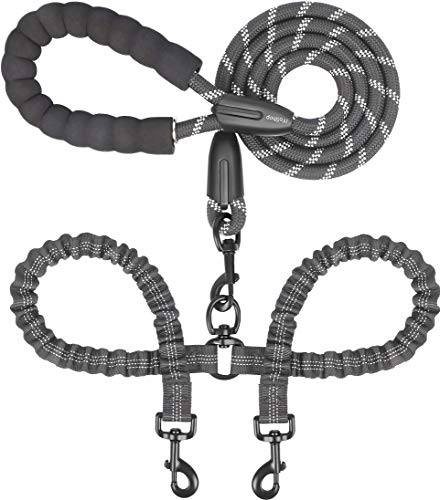
A reliable kit makes open space visits easier. A long line lets you practice recall while keeping your dog connected. A training leash, such as the options covered in Dog Training Leash Training: 7 Best Leashes for Every Need (2026), offers control for building skills. A hands-free waste bag dispenser keeps you prepared, and a collapsible water bowl avoids stopping at standing water.
- A 15 to 30 foot long line for practicing recall in open terrain. View on Amazon
- A collapsible silicone water bowl for carrying clean water on the trail. View on Amazon
- A leash clip-on waste bag dispenser to keep bags within reach. View on Amazon
- A reflective, high-visibility dog vest for dawn or dusk visits. View on Amazon
FAQ
Do I need a permit to use an open space off-leash dog area?
Many open spaces require no permit beyond a valid dog license, but rules vary. Check the managing agency’s website or call to confirm before your first visit.
How do I know if an area is actually off-leash allowed?
Look for posted signs at entrances, check the official map and confirm the rules online. Areas with seasonal or time-based restrictions usually list them on the same page.
What if my dog runs off and I cannot find it?
Stay calm, call your dog’s name, shake a treat bag and check with staff or other owners. Notify the site staff and check local shelters promptly. Keep your microchip registration current so a finder can reach you.
Can I bring a puppy to an open space?
Many sites set minimum age rules because puppies may not yet have completed vaccinations. Confirm the policy first, and consult your veterinarian about when your puppy can safely visit.
How do I handle a dog that is aggressive toward others?
Keep the dog on leash or do not bring it to the area. Working with a certified trainer or veterinary behaviorist is a safer step than trying to manage conflict in an open space.
Are open space areas safe in hot weather?
Heat can be dangerous. Visit early or late in the day, bring water, check ground temperature with the back of your hand and watch for signs of overheating such as heavy panting, drooling or weakness. Consult a veterinarian if you have concerns about your dog’s health.
What should I do if my dog gets injured or bitten?
Separate the dogs safely, exchange contact and vaccination information, document what happened and seek veterinary care for any wounds. For bites involving people or legal questions, consult a professional such as a local animal control officer or attorney.
Conclusion
An open space off-leash dog area can be one of the best parts of your dog’s routine when you choose the right site, confirm the rules and prepare your dog. Start with official information, honestly assess readiness, keep watch during visits and clean up every time. With steady habits, each trip becomes easier and safer for your dog and everyone sharing the space.
Related reading
- Noyo Beach Off Leash Dog Area: What to Know Before You Go
- Is the Lynndale Off Leash Dog Area Safe? What to Know Before You Go
Ready to choose one?
About Claire Whitaker
Claire Whitaker is part of our editorial team and reviews and edits our everyday pet gear guides, checking product details against manufacturer specifications and owner feedback.