 By Ethan Brooks
The petsafe flexfeed automatic pet feeder is aimed at owners who want scheduled, portion-controlled meals without being tied to the kitchen clock. It suits people who work long shifts, travel now and then, or have a dog or cat that eats better on a routine. It is less suited to multi-pet homes that need separate food types, owners who want camera or app-based monitoring, or anyone feeding wet food, which most dry-food hoppers handle poorly. Below, we review the feeder based on published specifications and common owner feedback, not hands-on testing, and point out where the design makes sense and where it falls short.
Product Overview
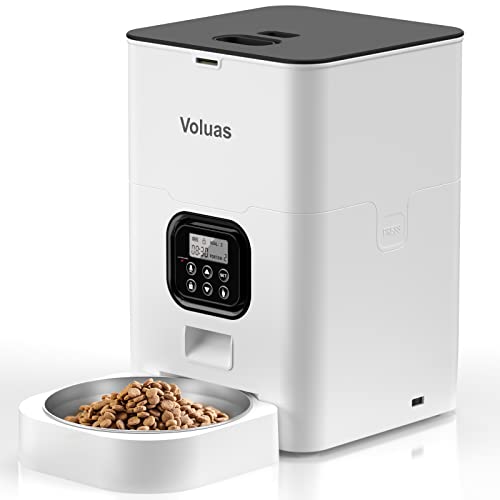
The PetSafe FlexFeed is a gravity-style automatic dispenser built for dry kibble. Like most feeders in this category, it holds a food reservoir above a dispensing bowl and releases a set portion at each scheduled time. The design focuses on simplicity: a basic programmable timer, a removable food container, and a bowl that is easy to rinse. It is positioned as a practical, everyday feeder rather than a premium smart device with video or cloud features.
In practice, the feeder works best as a supplement to a normal feeding routine. Many owners use it to deliver a morning or evening meal while they are at work, or to keep a cat on a steady schedule during the day. If you are new to the category, the general principles in How to Evaluate Automatic Feeders and Pet Fountains are a useful starting point before you compare models.
Key Features & Specifications
Manufacturer details can change between production runs, so confirm the current listing before purchase. The table below covers the points that matter most for daily use.
| Feature | What to Know |
|---|---|
| Food type | Dry kibble only; not designed for wet or raw food |
| Portion control | Adjustable portion sizes set through the controls; check the manual for the exact increments |
| Scheduling | Programmable meal times; the number of daily meals depends on the model setup |
| Food container | Removable reservoir for filling and cleaning |
| Bowl | Dispensing bowl designed for easy removal and rinsing |
| Power | Typically battery-powered with a backup option; confirm battery type and expected life in the manual |
| Connectivity | No app or Wi-Fi connectivity on the base model |
| Best for | Single-pet homes, small to medium dogs, and cats on a regular schedule |
For owners who want to plan portion sizes carefully, pairing the feeder with a calorie-based chart is more reliable than eyeballing scoops. The approach described in Voluas Automatic Pet Feeder Portion Size Chart: How to Set Portions (2026) applies to most gravity feeders, including this one.
Pros & Cons
Pros
- Simple programming that most owners can set up in a few minutes
- Consistent portion release, which helps with weight management for dogs and cats on a fixed plan
- Removable container and bowl make filling and cleaning straightforward
- No subscription, app, or account required to operate
- Works well as a backup feeder when schedules slip
Cons
- Dry food only; wet food will not dispense properly and can cause clogs
- No camera, app alerts, or remote feeding; you cannot check whether a meal was eaten
- Kibble size matters, and very large or irregular pieces can jam the mechanism
- Humid environments can cause kibble to clump, which affects flow
- Limited capacity for large dogs or multi-pet homes that eat quickly
Performance Analysis
Performance in this category depends on three things: how reliably the dispenser releases the programmed portion, how well the timer holds its schedule, and how the food behaves inside the reservoir over several days. Based on manufacturer specifications and the general pattern of owner feedback for feeders in this design family, the FlexFeed tends to perform most consistently with uniform, dry kibble of standard size.
Owners commonly report that the timer is dependable once set, though it is worth checking the clock after a battery change or power interruption. Jamming is the issue most often mentioned in reviews, and it usually traces back to kibble that is too large, too oily, or stored in damp conditions. Keeping the reservoir closed, storing food in a dry place, and avoiding overfilling all reduce the risk noticeably.
Because the unit has no sensors or camera, you do not get confirmation that a pet actually ate. Households with picky eaters or pets recovering from illness should keep an eye on eating habits by other means. If a pet stops eating or shows changes in appetite, consult a veterinarian rather than adjusting the feeder alone.
Who Should Buy This Product?
The PetSafe FlexFeed makes sense for owners who want a straightforward, dry-food feeder without paying for connectivity they will not use. It fits well in a single-pet household, particularly with a dog or cat of moderate size and a steady eating pattern. Owners who work regular hours and want to avoid midday feeding will find it useful.
You should skip this product if you feed wet food, need to monitor meals remotely, manage several pets with different diets, or own a large dog that eats a substantial volume per meal. In those cases, a larger-capacity or app-enabled model will serve you better. The broader selection in Top 8 Automatic Pet Feeder Large Models for Big Dogs and Multi-Pet Homes covers options built for higher volumes.
Buying Guide
Before you commit to any gravity feeder, think through your routine. Start with how many meals per day your pet needs and whether a single portion fits in the reservoir for that period. Measure your kibble, since larger pieces are more likely to jam, and check the manual for the minimum and maximum portion settings.
Next, consider where the feeder will sit. A flat, dry surface away from direct sun and humidity helps protect the food and the mechanism. If you have a cat that tends to be curious about moving parts, place the unit where it will not be knocked over.
If the FlexFeed does not match your needs, several well-known alternatives cover different priorities. The PetSafe Smart Feed 2.0 adds app control for owners who want remote scheduling and monitoring. The Petmate Pet Feeder Mechanical Feeder offers a simple, low-maintenance option for owners who prefer manual setup with no electronics. For households that want a broader range of features at the same general use case, the PetLibro Air Automatic Pet Feeder is a common choice, and our detailed look at it is in PetLibro Air Automatic Pet Feeder Review: Features and Performance.
Your choice should come down to the features you will actually use. Connectivity is valuable only if you check your phone, and capacity matters only if your pet eats a large portion per meal.
FAQ
Can the PetSafe FlexFeed handle wet food?
No. The feeder is designed for dry kibble. Wet food can clog the dispensing path and attract residue that is difficult to clean.
How many meals can I schedule per day?
The number of scheduled meals depends on the model setup and programming options. Check the manual for the exact limit before you plan your routine.
What should I do if the feeder jams?
Unplug or power down the unit, empty the reservoir, and remove any stuck kibble. Switch to uniform, dry food of standard size, and make sure the food is not damp or clumped.
Does the feeder work with large dogs?
Capacity is the limiting factor for large dogs. If your dog eats a large portion per meal, you may need to refill more often or choose a higher-capacity model.
Can I monitor whether my pet ate?
The base model does not include a camera or sensor, so you cannot confirm consumption. If that matters to you, look for a feeder with camera or app features.
How often should I clean the feeder?
Wash the bowl and empty the reservoir regularly, ideally every few days, and wipe the mechanism to prevent residue buildup. Always check the manufacturer’s cleaning instructions.
Is this feeder suitable for cats?
Yes, for cats that eat dry food on a regular schedule. Monitor weight and eating habits, and consult a veterinarian if your cat’s appetite changes.
Final Verdict
The PetSafe FlexFeed is a practical, no-frills feeder for dry-food routines in single-pet homes. Its strengths are simple programming, consistent portion release, and easy cleaning. Its limits are dry food only, no remote monitoring, and modest capacity. If those trade-offs fit your household, it is a sensible choice. If you need wet food, app control, or higher volume, look elsewhere. You can check the current listing here: View on Amazon.
Related reading
About Ethan Brooks
Ethan Brooks is part of our editorial team and reviews and edits our everyday pet gear guides, checking product details against manufacturer specifications and owner feedback.