 By Ethan Brooks
The honeyguaridan automatic pet feeder is a scheduled dry-food dispenser aimed at owners who want consistent portions without being home at mealtime. It suits people with a single cat or small dog on a predictable routine, households where one person works long shifts, and anyone who wants to stop free-feeding. It is a weaker fit for multi-pet homes that need separate compartments, owners who feed wet food or raw, and anyone who needs a feeder with a built-in camera or app-based tracking. Because specifications for lesser-known feeders are not always published in full detail, this review leans on what the manufacturer lists and on patterns that appear in owner feedback. Verify any detail that matters to you against the product page before you buy.
Product Overview
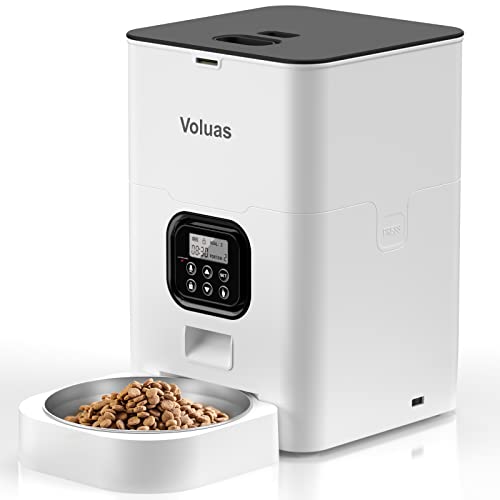
The honeyguaridan automatic pet feeder is a freestanding dry-food dispenser with a hopper, a timed dispensing mechanism and a programmable meal schedule. Like most products in this category, it works by releasing a set amount of kibble into a bowl at times you choose. The design is built around a single food reservoir rather than multiple meal compartments, which keeps the footprint small and the setup simple. It is meant for everyday feeding rather than medical diets or precise calorie management, though owners who need tighter control often pair a feeder like this with a measuring cup and a feeding chart.
In practice, most buyers use a feeder of this type to cover breakfast and dinner while they are at work or traveling for a day. The main appeal is predictability: the same amount of food arrives at the same time, which helps with routines, house-training schedules and reducing begging. It is worth stating plainly that an automatic feeder does not replace supervision. Pets that gulp food, have dental issues or are on prescription diets should be checked on by an adult, and anyone with a medical concern about portion size should consult a veterinarian before relying on a timer.
Key Features & Specifications
The table below lists the characteristics that matter most for daily use. Where a figure varies by listing or revision, confirm it on the current product page, since specifications can change between production runs.
| Feature | What to Check |
|---|---|
| Feeding type | Dry kibble only; not designed for wet food |
| Meal scheduling | Programmable timed meals through the unit’s control panel |
| Portion control | Adjustable per-meal portion settings as described by the manufacturer |
| Food storage | Single hopper; confirm capacity in the listing before buying |
| Power | Mains power with battery backup as a common option in this class; confirm the backup duration stated by the seller |
| Bowl | Removable bowl for cleaning |
| Setup | Manual programming on the unit; no companion app as a primary control method |
Owners who want the exact figures for hopper volume, dispensing increments and backup battery life should check the packaging or the manufacturer’s manual rather than relying on general category numbers, since these vary across models.
Pros & Cons
Pros
- Simple layout with a small footprint that fits on a kitchen counter or hallway floor.
- Scheduled meals help establish a consistent feeding routine.
- Removable bowl makes daily rinsing and cleaning straightforward.
- Adjustable portions allow gradual changes as a pet’s weight or activity level shifts.
- Manual controls mean no phone pairing or Wi-Fi setup is required.
Cons
- Dry food only, so households feeding wet or mixed diets will need a different solution.
- A single hopper cannot separate food for multiple pets or different meals.
- No app-based monitoring, so owners cannot check whether a meal was dispensed remotely.
- Kibble shape and size can affect jamming, so owners often report testing their food before relying on the timer.
- Limited published detail on some specifications, which means buyers need to verify key numbers themselves.
Performance Analysis
Performance for an automatic feeder comes down to three things: whether the dispensing mechanism is reliable, whether portions are consistent, and whether the unit keeps working through power interruptions. Owner feedback across this product category tends to cluster around the same themes. The most frequent points are jamming with irregular or oversized kibble, a learning curve when setting the clock and meal times, and satisfaction when the feeder runs on a steady schedule that the pet adapts to quickly.
Consistency of portions depends heavily on the food itself. Kibble with uniform pieces tends to dispense more evenly than mixed or crumbly blends. Owners who weigh a few sample portions after setup, rather than trusting the dial alone, generally report the most predictable results. For portion-related planning, the guidance in How to Evaluate Automatic Feeders and Pet Fountains offers a useful framework for checking dispensing accuracy before committing to a daily routine.
Power reliability is the other common concern. Units that rely only on mains power will stop dispensing during an outage, and many owners look for a backup option for that reason. Confirm the backup method and its stated duration in the listing. Setup clarity also varies: a clear manual and a short test run before leaving the house make a noticeable difference. Owners who are comparing this unit to similar products may find Pitpet Automatic Pet Feeder Manual: Setup, Programming and Troubleshooting Steps helpful for understanding how programming steps usually work in this category.
Noise is a smaller but recurring topic. Motor-driven dispensing produces a short click or whir at each meal, which most pets ignore after a few days but which can startle a nervous animal at first. Placing the unit on a stable, non-resonant surface reduces vibration.
Who Should Buy This Product?
This feeder fits a few specific situations well. A single cat or small dog on a regular routine is the clearest match, especially in a household where someone is away for part of each day. It also suits owners who want to move away from free-feeding and need a simple way to enforce set meal times. People who prefer a no-app, no-Wi-Fi device will appreciate the manual controls.
It is a weaker choice for multi-pet homes that need separate portions, owners feeding wet food or raw diets, and anyone who wants camera monitoring or detailed feeding logs. Pets with medical diets, prescription food requirements or a history of rapid eating should be supervised regardless of the feeder, and any feeding plan for a health condition should be set with a veterinarian.
Buying Guide
Before buying any automatic feeder, measure your pet’s daily food requirement using the package feeding guidelines and your veterinarian’s recommendation, then divide it across the number of meals you plan to schedule. Check that the hopper capacity covers at least two to three days of food so you are not refilling every morning. Test your specific kibble in the feeder for a few days while you are still home, and watch for bridging, jamming or dust buildup.
Look at the power arrangement. If outages are common where you live, prioritize a model with a backup option and confirm how long it runs. Think about cleaning: a removable bowl and an accessible hopper reduce the chance of stale food sticking around. Finally, match the feeder to your household. A single-hopper unit is simple but limited, while larger or multi-compartment designs suit multi-pet homes.
If the honeyguaridan automatic pet feeder does not fit your routine, several well-known alternatives are worth comparing. The PetSafe 2 Meal Automatic Pet Feeder offers a two-meal layout for households that want to split food across the day. The PetLibro Air Automatic Pet Feeder is a common choice for owners who want connected features. The Petmate Automatic Pet Feeder is often chosen by people looking for a straightforward timed dispenser. Compare each against your pet’s food type, the number of meals you need and your power situation before deciding. For a broader list, see Wopet Automatic Pet Feeder Setup: 7 Best Picks Compared (2026).
Two of the alternatives above, the PetSafe and PetLibro units, are available here: View on Amazon and View on Amazon. The Petmate option can be found at View on Amazon.
FAQ
Does the honeyguaridan automatic pet feeder work with wet food?
It is designed for dry kibble. Wet or moist food can stick to the mechanism and bowl, so most owners should not use it for wet diets. Check the manufacturer’s guidance for your specific food type.
How do I set the meal schedule?
Programming is done on the unit’s control panel. Set the clock first, then enter each meal time and portion. Run a short test dispense before leaving the house to confirm the settings.
What happens during a power outage?
Behavior depends on the backup arrangement in your model. Confirm whether a battery backup is included and how long it lasts in the listing, since stored schedules may not survive an outage on every unit.
Can I use it for a cat and a dog in the same home?
A single-hopper unit is not designed to separate food for different animals. Multi-pet homes usually need either a larger multi-compartment feeder or separate units placed in different rooms.
How often should I clean it?
Empty and wipe the bowl at least every few days, and clean the hopper regularly to prevent dust and old kibble buildup. Always unplug the unit before cleaning inside the mechanism.
Will my pet adjust to a timed feeder?
Most pets adapt within several days if the schedule stays consistent. Some pets are startled by the motor sound at first, so keeping the unit on a steady surface and using the same times each day helps.
Should I consult a veterinarian before using an automatic feeder?
Yes, especially for pets on prescription diets, with weight concerns, or with a history of gulping food. Your veterinarian can confirm correct portion sizes and meal frequency for your pet’s needs.
Final Verdict
The honeyguaridan automatic pet feeder is a reasonable choice for owners who want simple, scheduled dry-food meals for one cat or small dog and who value manual controls over app features. Its strengths are a compact layout, clear scheduling and easy cleaning. Its limits are dry food only, a single food compartment and no remote monitoring. Before you buy, confirm the current hopper capacity, backup power details and portion increments on the listing, and test your own kibble. If that matches your routine, consider the View on Amazon listing as a starting point, and compare it against the alternatives above before you commit.
Related reading
- Wopet Automatic Pet Feeder Manual: Setup, Programming and Troubleshooting Guide
- Wopet Automatic Pet Feeder Manual Pdf: Setup and Program Steps
About Ethan Brooks
Ethan Brooks is part of our editorial team and reviews and edits our everyday pet gear guides, checking product details against manufacturer specifications and owner feedback.