 By Ethan Brooks
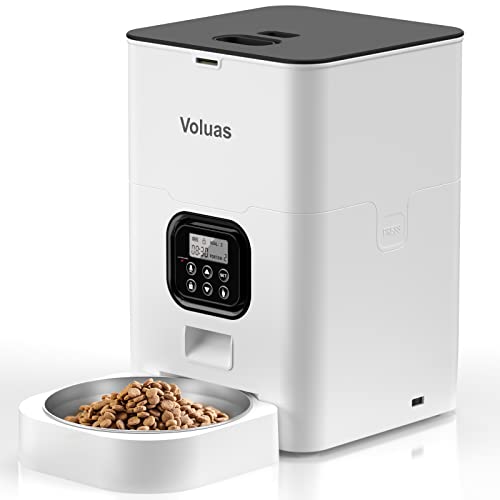
A wopet automatic pet feeder setup is one of the more practical upgrades for households where meals don’t always happen on schedule. Whether you work long shifts, travel now and then, or simply want portions to stay consistent, a timed feeder can take the guesswork out of feeding. This guide compares seven automatic feeders that pair well with the wopet-style workflow of scheduled portions, app or manual programming, and reliable backup power. We judged each option on documented specifications, brand reputation, and patterns that owners commonly mention in reviews, including how easy the bowl is to clean, how clearly the timer menu reads, how well the unit handles battery life, and how consistent portions are across different kibble shapes. We did not run these units through our own tests, so treat the details below as researched guidance rather than hands-on findings.
Our Top Picks
Quick Comparison
| Product | Best for | Key feature |
|---|---|---|
| PetSafe Smart Feed 2.0 | Households that want app control and portion tracking | Wi-Fi scheduling with a companion app |
| Petmate Pet Feeder Automatic Dispenser | Single-pet homes with simple timed meals | Easy-to-read LCD timer and portion settings |
| Petlibro Granary Smart Feeder | Owners who want a large food capacity | Large food container with multiple daily meals |
| Bissell Pet Feeder Smart Timer | Shared households with a fixed mealtime routine | Programmable schedule with a slow-release bowl |
| Iseebiz Automatic Pet Feeder | Budget-minded buyers with two pets | Dual bowl dispensing with voice recording |
| Dogness Automatic Pet Feeder | Multi-pet homes with varied portions | Adjustable portion sizes per meal |
| Anti-Ant Feeder Stand Timer Dispenser | Pets that eat on a strict timeline | Stainless steel bowl with compact footprint |
PetSafe Smart Feed 2.0
This feeder suits owners who want to schedule meals from a phone and keep a record of when food was dispensed. It is a strong fit for households where more than one person handles feeding. You may also like Wopet Automatic Pet Feeder Instructions: Step-by-Step Setup Guide.
Key specs
- Wi-Fi connectivity with a companion app for scheduling
- Stainless steel bowl and a sealed food storage compartment
- Adjustable portion settings across multiple daily meals
- Battery backup in addition to mains power
Pros
- App scheduling is convenient for changes made while away
- Dispensing history helps spot missed or doubled meals
- Sealed container helps keep kibble fresh between meals
Cons
- Requires a stable Wi-Fi connection for remote changes
- App setup can take longer than manual programming on a standalone unit
Petmate Pet Feeder Automatic Dispenser
A straightforward timed feeder for one pet at home during the day. Owners who prefer buttons to apps often find this layout easier to program.
Key specs
- LCD screen with a programmable meal schedule
- Adjustable portion control per serving
- Removable food bowl for cleaning
- Battery power option for outages
Pros
- Menu layout is simple enough to set up in a few minutes
- Removable bowl makes washing quicker
- No app or account required
Cons
- Limited capacity compared with larger hopper designs
- Portion accuracy can vary with very large or irregular kibble
Petlibro Granary Smart Feeder
Best for owners who fill the hopper less often and want several meals stored at once. It is a common choice for people who are away for a full workday.
Key specs
- Large food container with a sizeable daily capacity
- Multiple scheduled meals per day with portion control
- Desiccant-style storage to limit moisture in the hopper
- Power adapter with battery backup support
Pros
- Large hopper reduces how often you refill
- Scheduling is flexible for split meals
- Storage design helps food stay dry
Cons
- Bulkier footprint than compact feeders
- Larger capacity means food can sit longer if you overfill
Bissell Pet Feeder Smart Timer
A good match for shared homes where mealtimes stay fixed. The programmable timer works well when the schedule rarely changes.
Key specs
- Programmable timer with fixed daily meal times
- Slow-release style bowl to reduce quick gulping
- Manual portion settings
- Battery backup for short outages
Pros
- Fixed schedule is easy for other household members to follow
- Slow-release bowl can help fast eaters
- Simple controls with few settings to learn
Cons
- Limited flexibility for changing meal times on the fly
- Owners sometimes report that the timer needs resetting after battery swaps
Iseebiz Automatic Pet Feeder
A budget-minded option for homes with two pets who eat from separate bowls. It is often chosen by buyers who want dual dispensing without a premium spend. A related read: Wopet Automatic Pet Feeder Troubleshooting: Fix 6 Common Problems.
Key specs
- Dual bowl dispensing for two pets
- Voice recording feature for calling pets to meals
- Programmable timer with multiple meals
- Battery operation with an optional adapter
Pros
- Dual bowls suit homes with two pets
- Voice recording can help with mealtime routines
- Budget-friendly choice for basic timed feeding
Cons
- Build quality is often described as lighter than premium units
- Dual-bowl sharing may not suit pets that guard food
Dogness Automatic Pet Feeder
Useful for multi-pet households where each animal needs a different portion size. Owners managing diet plans often look at this type of feeder first.
Key specs
- Adjustable portion sizes across meals
- Programmable schedule with several daily feedings
- Removable bowl and dispensing tray
- Battery backup support
Pros
- Portion flexibility suits varied dietary needs
- Removable parts simplify cleaning
- Scheduling is clear for regular routines
Cons
- Portion accuracy depends on kibble size and shape
- Setup can take a few tries to get right
Anti-Ant Feeder Stand Timer Dispenser
A compact choice for owners who want a timed meal on a small footprint, often placed in a kitchen corner. It works well for cats and small dogs with predictable appetites. If you want more background, see 4 Best Wopet Automatic Pet Feeder WiFi Models Compared (2026).
Key specs
- Stainless steel bowl on a raised stand
- Compact timer with a few daily meal slots
- Ant-resistant design intended to keep pests out of the bowl
- Manual portion control
Pros
- Small footprint fits tight spaces
- Stainless bowl is easy to wipe down
- Simple controls for quick setup
Cons
- Smaller hopper means more frequent refills
- Limited schedule flexibility compared with app-based units
Buying Guide
Choosing a feeder for a wopet automatic pet feeder setup comes down to how your household eats, how often you are away, and how much maintenance you want to handle. Start by listing your real feeding times, the number of pets, and any dietary portions that need precision. A feeder that looks great on paper can frustrate you if its schedule menu is hard to read or its bowl is awkward to clean.
Selection Criteria
Focus on four areas: scheduling flexibility, portion accuracy, capacity, and power reliability. Scheduling flexibility matters most if your routine changes. Portion accuracy matters if you follow a vet-recommended diet. Capacity determines how often you refill. Power reliability determines whether a power cut will cause missed meals.
Important Features
- Programmable meal times with multiple daily slots
- Removable, dishwasher-safe or easy-to-wipe bowls
- Battery backup or power adapter with backup support
- Sealed or moisture-resistant food storage
- Portion settings that match your kibble size
Specs to Check
- Hopper capacity in cups or grams
- Number of meal slots per day
- Minimum and maximum portion size per dispense
- Battery type and typical runtime listed by the manufacturer
- Bowl material and whether it detaches
Choosing by Need
If you travel often, prioritize app control and a battery backup. If you have multiple pets, look for dual bowls or separate portion settings. If you have one pet with a strict diet, choose a feeder with fine portion control. If space is limited, a compact stand-style feeder makes more sense than a large hopper model.
Things to Watch Out For
- Humidity can cause kibble to clump in the hopper, so keep the unit in a dry spot
- Very large or irregular kibble may dispense unevenly
- Battery-only units need reminders to replace cells before they die
- Pets that guard food may not tolerate a shared dual bowl
Feeding changes for pets with health conditions should always be discussed with a veterinarian before you adjust portions or schedules.
Before you finalize a purchase, read our guide on How to Evaluate Automatic Feeders and Pet Fountains for a broader checklist. For timer-specific advice, see Best Automatic Pet Feeders With Timers and Automatic Pet Feeders: Timers, Portions and Backup Power.
FAQ
How do I start a wopet automatic pet feeder setup?
Place the feeder on a flat, stable surface near an outlet if it uses a power adapter. Insert batteries if the model supports them, fill the hopper with dry food, and set the clock first. Program your meal times, then run a test dispense to confirm the portion and bowl placement before your pet uses it.
How much food should I set per meal?
Start with the portion your veterinarian or the food bag recommends, converted to the feeder’s unit. Many feeders measure in grams or cups, and the conversion can differ by kibble density. Weigh a test dispense on a kitchen scale and adjust until it matches your target.
What if the feeder jams or dispenses unevenly?
Uneven dispensing is often caused by oversized kibble, moisture, or a bridge of food in the hopper. Empty the container, check for clumps, and switch to a kibble size the feeder specifies. For step-by-step fixes, see Automatic Pet Feeder Not Dispensing Right? Troubleshooting.
Will the feeder work during a power outage?
Only if it has battery backup or a battery-only design. Check the manufacturer’s listed battery type and runtime, and keep spare cells on hand. Units without backup will stop scheduled meals during an outage.
Can one feeder serve two pets?
Some models offer dual bowls or separate portion settings. For homes with several animals, plan how each pet will be fed and whether any pet needs a separate bowl. For more on this, read Multi-Pet Household Setup: Feeding, Litter and Space.
How often should I clean the feeder?
Wash the bowl and wipe the hopper at least weekly, and dry all parts fully before refilling. Dampness is a common cause of mold and clumping, so ensure the storage compartment is completely dry.
Is an app necessary for scheduling?
No. Many feeders offer on-unit programming that works well for fixed routines. App control is most useful if you change meal times often or want a dispensing log from your phone.
Conclusion
A wopet automatic pet feeder setup works best when the feeder matches your routine. For app-based scheduling and dispensing history, the PetSafe Smart Feed 2.0 is a strong fit. For simple timed meals with a single pet, the Petmate Pet Feeder Automatic Dispenser keeps things uncomplicated. The Petlibro Granary Smart Feeder suits owners who want to refill less often, while the Bissell Pet Feeder Smart Timer works for fixed household schedules. For two pets on a tighter budget, the Iseebiz Automatic Pet Feeder is a practical choice, and the Dogness Automatic Pet Feeder suits varied portions. The Anti-Ant Feeder Stand Timer Dispenser fits small spaces. Confirm specs on the manufacturer listing, run a test dispense, and check with your veterinarian before changing your pet’s diet.
Related reading
About Ethan Brooks
Ethan Brooks is part of our editorial team and reviews and edits our everyday pet gear guides, checking product details against manufacturer specifications and owner feedback.