 By Ethan Brooks
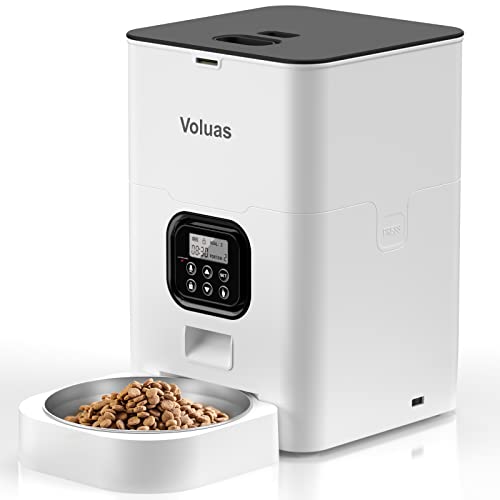
A pawsitively fun automatic pet feeder can take the daily feeding routine off your plate, literally, by dispensing measured meals on a schedule while you work, travel, or sleep in. This guide walks you through what to look for, how to set up the feeder, how to program portions and timing, and how to avoid the mistakes that cause most feeding problems. By the end, you will have a working schedule and a simple checklist you can reuse.
What to Look for Before You Buy a Pawsitively Fun Automatic Pet Feeder
Not every automatic feeder suits every household. Start by matching the feeder to your pet’s size, your food type, and how often you are away from home. A feeder that works well for a single cat eating kibble may struggle with a large dog eating wet food.
Shopping for one? See our guide: Automatic Pet Feeder Petsafe (2026): Pros, Cons & Verdict.
Capacity and Food Type
Check the food capacity listed by the manufacturer, usually given in cups or grams. Dry kibble is the easiest to dispense reliably. Wet food, raw food, and treats often clog hoppers or spoil quickly, so look for a model that is explicitly rated for those foods or plan to use it only with dry food.
Portion Control
Good feeders let you set portions in small increments, often in fractions of a cup or a set number of grams per meal. Confirm the minimum portion size before you buy. If your cat needs only 1/4 cup per meal, a feeder that jumps in half-cup steps will overfeed.
Meal Scheduling
Look for at least four to six daily meal slots. Many people set two meals a day, but splitting into three or four smaller meals can help pets with a tendency to bolt food or with certain medical needs. Confirm that the schedule can be set per day and that it saves when the power is restored after an outage.
Power and Backup
Most feeders run on AC power with battery backup. Check whether the battery is included, how long it lasts, and whether it is rechargeable or uses replaceable cells. A feeder with no backup will stop dispensing during an outage, which matters most when you are away.
Step-by-Step Setup for Your Automatic Feeder
Once you have a feeder, the setup process usually takes less than 30 minutes. Work through the steps in order so the feeder dispenses accurately from the first meal.
- Unbox the feeder and check that the food hopper, bowl, lid, and power adapter are all present. Read the manual’s safety notes before plugging anything in.
- Place the feeder on a flat, stable surface away from direct sun, heaters, and moisture. Leave enough room around it for the hopper lid to open fully.
- Install batteries or charge the internal battery if your model uses one. Plug in the power adapter.
- Set the clock and date first. Schedules run on the internal clock, so a wrong time will send meals at the wrong hours.
- Fill the hopper with dry food and run a test dispense. Weigh or measure the output to confirm it matches the portion setting.
- Program your meal times and portions, then save the schedule and confirm it on the display.
- Put a dish or mat under the dispensing outlet to catch any spill during the first few meals.
Tools and Supplies You Will Need
- A kitchen scale or measuring cup for checking portion accuracy
- A small cup or spoon for filling the hopper without spilling
- Replacement batteries, if your model uses them
- A washable mat or tray for the feeding area
- Your pet’s current food bag, so you can copy the feeding guidelines
How to Set Portions and Meal Times
Accurate portions matter more than fancy features. Start with the feeding guidelines printed on your pet food bag, then adjust based on your pet’s body condition. Your veterinarian can help you set the right daily calories, especially for puppies, kittens, seniors, or pets on prescription diets.
Calculating Daily Food Amount
Take the total daily amount recommended on the food label and divide it by the number of meals you plan to schedule. For example, if your dog needs 2 cups per day and you schedule two meals, each meal is 1 cup. Program that amount and confirm the feeder dispenses exactly that volume.
Choosing Meal Times
Space meals roughly evenly, and avoid placing a meal right before a long period away if you want to reduce begging or vomiting. Cats often do well with several small meals spread through the day. Dogs usually do best with two meals, one in the morning and one in the evening, though this varies with age and health.
Portion Size Reference Table
| Pet Type | Typical Daily Range (Dry Food) | Suggested Meal Split |
|---|---|---|
| Small cat (under 8 lb) | 1/4 to 1/2 cup | 3 to 4 small meals |
| Average adult cat | 1/2 to 3/4 cup | 2 to 4 meals |
| Small dog (under 20 lb) | 3/4 to 1.5 cups | 2 meals |
| Medium dog (20 to 50 lb) | 1.5 to 3 cups | 2 meals |
| Large dog (over 50 lb) | 3 to 5 cups | 2 meals |
These ranges are general starting points only. Always follow the feeding guide on your food and confirm amounts with your veterinarian.
Testing and Monitoring Your Feeder
After setup, watch the first few days closely. Check that meals dispense on time, that the bowl is not overflowing or empty before the next meal, and that your pet is eating at a steady pace. Weigh the leftover food in the bowl each day for the first week to confirm the feeder is delivering the right amount.
If you have a camera-equipped model, use it to check whether your pet is actually approaching the feeder at meal times. A pet that never comes to the bowl may be avoiding the noise or the mechanism, which is worth addressing early.
Common Mistakes to Avoid
- Skipping the test dispense. A feeder can look correct on the display and still deliver the wrong amount, especially with kibble of unusual shape.
- Using wet or fresh food in a dry-food feeder. Moisture and sticky food can jam the mechanism or spoil in the hopper.
- Forgetting to reset the clock after a power outage or time change. Confirm the time after any power interruption.
- Setting portions by eye instead of measuring. Small errors add up to large weight changes over weeks.
- Ignoring weight changes. If your pet gains or loses weight, adjust the portions and ask your vet for guidance.
- Leaving the feeder dirty. Old food residue attracts pests and bacteria. Clean the hopper and bowl regularly as the manual instructs.
Tips for a Smoother Routine
- Keep a small backup bowl with a few days of food in case the feeder fails.
- Store the food in an airtight container so the hopper stays fresh and dry.
- Introduce the feeder gradually by feeding part of the meal by hand at first, so your pet learns the sound and location.
- Review the schedule every few weeks, especially after a vet visit or a change in activity level.
- Consider a second feeder or manual meals if you have multiple pets with different diets.
Recommended gear
A few supporting items make the feeder easier to live with. The first is a stable, washable feeding mat, which catches stray kibble and protects the floor. The second is a digital kitchen scale, which lets you check portions against the feeder’s output. The third is an airtight food storage container, which keeps dry food fresh and fits most hoppers.
- Feeding mat that catches stray kibble and wipes clean View on Amazon
- Digital kitchen scale for checking portion weights View on Amazon
- Airtight pet food storage container with a measuring scoop View on Amazon
If you are still comparing models, the articles Wirecutter Automatic Pet Feeder: 10 Best Picks Compared in 2026 and Top 8 Automatic Pet Feeder Large Models for Big Dogs and Multi-Pet Homes cover a wide range of options. For camera-equipped feeders, see Top 8 Automatic Pet Feeder Camera Models Compared for Home Monitoring. Owners with a specific brand often find the setup walkthroughs useful, such as Wopet Automatic Pet Feeder User Manual: Step-by-Step Setup Guide and Voluas Automatic Pet Feeder Portion Size Chart: How to Set Portions (2026).
FAQ
How long can an automatic pet feeder run without power?
That depends on the model. Feeders with battery backup can typically keep the clock and schedule running through a short outage, but the dispensing motor may use more power. Check the manufacturer’s specifications for the exact backup runtime.
Can I use wet food in an automatic pet feeder?
Most automatic feeders are designed for dry kibble. Wet food can spoil, stick to the hopper, and jam the mechanism. Only use wet food in a feeder explicitly rated for it, and follow the manual’s guidance on refrigeration and cleaning.
How many meals should I schedule per day?
Two meals work well for most adult dogs. Cats often do better with three to four smaller meals. Your veterinarian can recommend a schedule based on your pet’s age, health, and activity level.
How often should I clean the feeder?
Clean the bowl and hopper at least once a week, and wipe the dispensing area more often if food residue builds up. Follow the cleaning instructions in your manual, and make sure the unit is fully dry before refilling.
What if my pet refuses to eat from the feeder?
Some pets are wary of the noise or the mechanism at first. Start by feeding some meals by hand next to the feeder, then gradually let the feeder dispense more of the portion. If your pet still refuses to eat, check for food-related or health issues with your veterinarian.
How accurate are automatic pet feeders?
Accuracy varies by model and by food type. Always run a test dispense and weigh the output, and check the bowl daily for the first week. If the amounts drift, recalibrate or contact the manufacturer.
Is an automatic feeder safe for a puppy or kitten?
Young pets need more frequent meals and carefully measured amounts for healthy growth. Many owners use a feeder for a supplemental meal while handfeeding the rest. Confirm the schedule with your veterinarian before relying on a feeder for a growing pet.
Should I use a feeder if I leave the house for a full day?
A feeder can help with routine meals on a regular workday, but it is not a substitute for checking on your pet. Make sure the water bowl is full, the feeder has enough food, and the power and backup are working before you leave.
Conclusion
A pawsitively fun automatic pet feeder can make daily feeding more consistent, especially when your schedule changes. Choose a model that fits your pet’s size and food type, set up and test it carefully, and measure portions instead of guessing. Keep the feeder clean, review the schedule regularly, and check with your veterinarian whenever your pet’s needs change.
Ready to choose one?
About Ethan Brooks
Ethan Brooks is part of our editorial team and reviews and edits our everyday pet gear guides, checking product details against manufacturer specifications and owner feedback.