 By Ethan Brooks
Updated November 2026
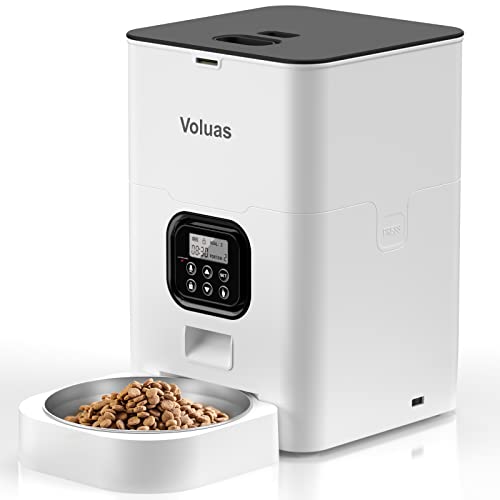
An automatic dog feeder pet barn is a timed or app-controlled feeder that dispenses dry kibble into a bowl on a schedule, usually housed in a larger enclosure with a lid or chute. This guide walks you through choosing the right model, setting portions and schedules, placing the unit, and checking that it works before you leave the house. By the end, you should have a feeder that matches your dog’s size and routine and a simple way to confirm each meal is actually served.
Step 1: Decide Whether an Automatic Dog Feeder Pet Barn Fits Your Routine
Automatic feeders solve a specific problem: they keep meals on time when you are at work, traveling, or running late. They are less useful for dogs that need wet food, medication mixed into meals, or close monitoring of how much they eat. Before buying, list the times you are usually away and how many meals your dog needs per day. Most adult dogs eat two meals, so a feeder with at least two programmable slots covers the basics.
Shopping for one? See our guide: 5 Best Automatic Pet Feeders for Dogs Compared (2026).
Step 2: Check Capacity and Portion Size
Capacity is measured in cups or liters of dry food, and manufacturers usually list the approximate number of meals a full hopper will supply. For a large dog eating three to four cups a day, a hopper sized for about a week of meals keeps refills manageable. Smaller dogs need far less, and an oversized hopper can let kibble go stale. Check how the feeder measures portions: some use a rotating drum with fixed cup sizes, others allow adjustable portions through the app or dial.
Portion sizing tips
- Start from the feeding guideline on your dog food bag, adjusted for your dog’s weight and activity level.
- Divide the total daily amount across the number of scheduled meals.
- Run a test dispense and weigh the output on a kitchen scale to confirm the actual amount.
- Recheck portions after weight changes, because a small increase in daily food can add up over weeks.
Step 3: Compare Power, Connectivity and Food Storage
Most units run on mains power with a battery backup, so a power cut does not erase your schedule. Some models add a camera or a companion app, which lets you see your dog at the bowl and receive alerts when a meal is dispensed. Look at whether the food hopper is sealed against moisture and pests, and whether the lid locks. A sealed container protects kibble from humidity, which matters in warm or damp climates.
Step 4: Set Up the Feeder Step by Step
Follow the manufacturer’s manual for your specific model, but the general sequence is similar across most units:
- Assemble the hopper, drum, and bowl, and confirm the drum turns freely.
- Plug the unit into a nearby outlet, preferably on a surge-protected strip.
- Install the app if the model uses one, and create an account or connect the device to Wi-Fi.
- Set the current time and date first, since scheduled meals depend on an accurate clock.
- Enter meal times and portion sizes for each slot.
- Run a manual test dispense and watch the bowl.
- Let the feeder run one full day while you are home before leaving it alone.
Step 5: Place the Automatic Feeder Where Your Dog Can Use It
Choose a flat, dry spot away from direct sun and heating vents. Keep the feeder near an outlet, but out of reach of a dog that might chew the cord. Leave clear space in front of the bowl so your dog can eat without stepping on or bumping the unit. If your dog is a fast eater or tends to dig, a bowl with a rim or an anti-gulp design can reduce mess around the feeder.
Setup checklist
| Check | What to confirm |
|---|---|
| Clock | Time and date match your local time zone |
| Schedule | Meal times are set and not overlapping |
| Portion | Test dispense weighed and matches the target amount |
| Power | Outlet is protected and cord is out of reach |
| Bowl | Stable, cleanable, and sized for your dog |
| Connectivity | App notifications are on, if your model uses them |
Step 6: Monitor Results and Adjust
For the first week, check the bowl after each scheduled meal to see whether your dog eats promptly. Leftover food after a meal can mean a portion is too large, the dog is not hungry at that time, or the kibble is stale. Weigh your dog every few weeks and compare to your goal. If your dog is gaining or losing weight faster than expected, adjust portions and talk to your veterinarian before changing the schedule significantly.
Common Mistakes to Avoid
- Skipping the test dispense. Many problems, from jammed drums to wrong portions, show up only when the feeder runs.
- Leaving the hopper too full for a small dog. Kibble left in a hopper for weeks can lose freshness and oils.
- Forgetting the clock. After a power outage, check that the feeder reset correctly.
- Using the feeder for dogs with medical needs without guidance. Dogs on prescription diets, with diabetes, or with a history of bloat should follow feeding instructions from a veterinarian rather than a default schedule.
- Placing the unit near a heat source. Warmth can soften kibble and affect the mechanism over time.
Tips for Better Results
- Keep a log of meal times and amounts for the first two weeks.
- Clean the drum and bowl on a regular schedule so old food residue does not attract pests or cause clogs.
- Store spare kibble in its original bag inside an airtight container, not in the hopper for long periods.
- If you have a large dog, read our notes on Automatic Pet Feeder Large: 5 Best Picks for Big Dogs (2026) to compare capacity and drum design.
- For multi-pet homes, a feeder with separate portion controls prevents one pet from eating another’s meal.
Recommended gear
A few supporting items make an automatic dog feeder pet barn setup more reliable and easier to maintain.
- Digital kitchen scale: Weighing test dispenses shows whether the feeder is delivering the portion you programmed, which is the fastest way to catch a miscalibrated drum. View on Amazon
- Surge-protected power strip: A protected outlet guards the feeder’s electronics against voltage spikes and keeps the cord out of reach when placed behind the unit. View on Amazon
- Airtight food storage container: Keeping a reserve of kibble sealed and out of the hopper preserves freshness between refills. View on Amazon
- Anti-gulp slow feeder bowl: A bowl with raised obstacles can slow fast eaters and reduce kibble scattered around the feeder. View on Amazon
FAQ
How long does an automatic dog feeder pet barn hold food?
Capacity varies by model. Manufacturers list an approximate number of meals per hopper, so divide your dog’s daily amount into that figure to estimate how often you need to refill.
Can I use wet food in an automatic feeder?
Most automatic feeders are designed for dry kibble. Wet food can spoil quickly and clog the drum, so check the manual before using anything other than dry food.
What happens if the power goes out?
Units with battery backup usually keep the schedule running. Without backup, you may need to reset the clock and confirm meal times after power returns.
How do I know if my dog is eating the meal?
Check the bowl after each meal, or use a model with a camera or app alert if you want to watch remotely.
Is an automatic feeder safe for a dog with health conditions?
Dogs with diabetes, kidney disease, bloat risk, or other medical needs should follow a feeding plan set by a veterinarian. Consult your vet before relying on a fixed schedule.
How often should I clean the feeder?
Wipe the bowl daily and clean the hopper and drum at least every one to two weeks, following the manufacturer’s cleaning instructions, to prevent residue buildup.
Can the feeder handle different kibble sizes?
Many units handle standard kibble, but very large or irregularly shaped pieces may jam the drum. Test a full run with your specific food before leaving the feeder unattended.
Conclusion
An automatic dog feeder pet barn can keep meals consistent when your schedule changes. Choose a capacity that matches your dog’s appetite, set portions with a test dispense, and place the unit somewhere dry and stable. Monitor the first few weeks, and consult your veterinarian if your dog has medical needs or unexpected weight changes.
Related reading
- Automatic Cat Feeder Pet Barn: How to Choose and Set One Up (2026)
- 7 Best Automatic Pet Feeders for Cats and Dogs: Our Picks Compared (2026)
- 6 Best Large Capacity Automatic Pet Feeder Options for Big Dogs (2026)
Ready to choose one?
About Ethan Brooks
Ethan Brooks is part of our editorial team and reviews and edits our everyday pet gear guides, checking product details against manufacturer specifications and owner feedback.