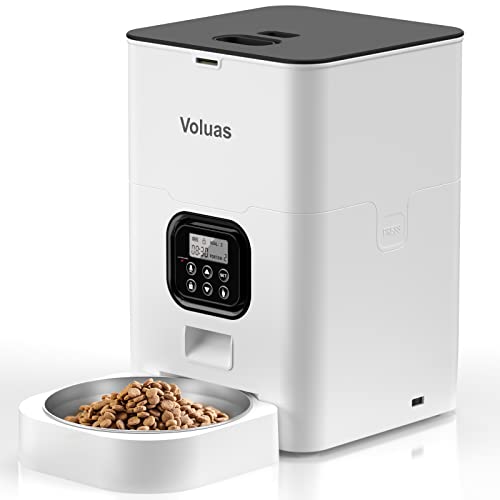
 By Ethan Brooks
Updated November 2026
An automatic pet feeder with chip reader lets only the animal you choose eat from the bowl, which matters most in homes with several pets on different diets or with a cat that keeps raiding a housemate’s dish. Instead of a standard timer that dispenses food to anything that walks past, these units read a microchip or an RFID tag on a collar and open the lid only for the registered pet. The picks below were chosen by checking manufacturer specifications, brand reputation and the patterns that owners tend to describe in feedback, including reader range, tag compatibility, portion control, app scheduling, capacity and how the lid seals against food theft. This is a research-based list, not a record of hands-on testing.
Our top picks at a glance
- 1
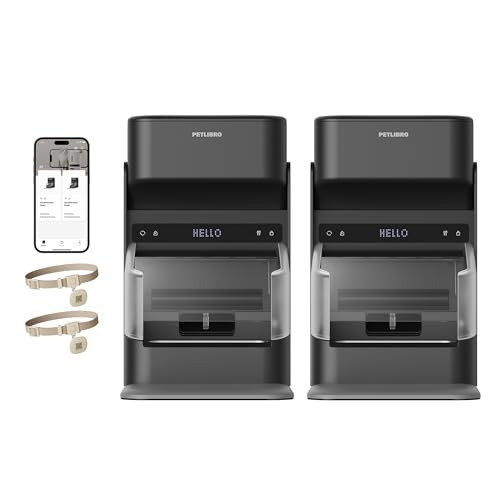 TOP CHOICEBest overallPETLIBRO RFID Cat Feeders for 2 Cats (Pack of 2)View on Amazon
- 2
 TOP CHOICEBest for a single cat with a collar tagPETLIBRO RFID Automatic Cat FeederView on Amazon
- 3
 TOP CHOICEBest for large capacityPawsPik Automatic Microchip RFID Cat Feeder, 16-Cup, BlackView on Amazon
- 4
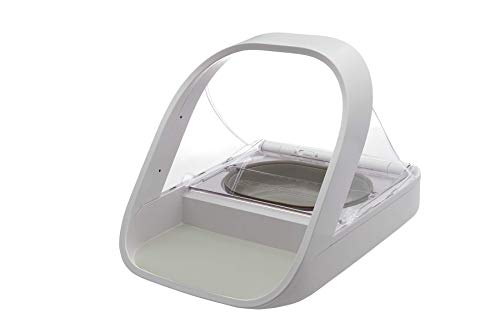 Best for microchip-only householdsSure Petcare SureFeed Microchip Pet FeederView on Amazon
- 5
 Best for small multi-pet homesHEAPETS Automatic Cat Feeder with Sealed LidView on Amazon
- 6
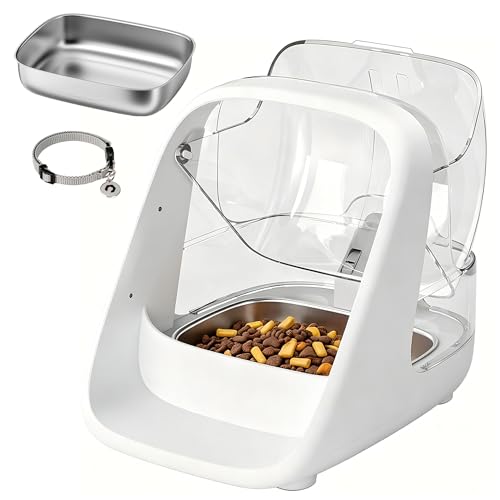 Best for stainless steel bowlsePawDen Microchip Pet Feeder with Stainless Steel BowlView on Amazon
Our Top Picks
Quick Comparison
| Product | Best for | Key feature |
|---|---|---|
| PETLIBRO RFID Cat Feeders for 2 Cats (Pack of 2) | Homes with two cats needing separate diets | Two units with collar-sensor recognition |
| PETLIBRO RFID Automatic Cat Feeder | Single cat or a simple two-pet setup | Wi-Fi programmable RFID collar sensor |
| PawsPik Automatic Microchip RFID Cat Feeder, 16-Cup | Households with larger dry food portions | 16-cup capacity with microchip and RFID tag support |
| Sure Petcare SureFeed Microchip Pet Feeder | Owners who want a proven microchip system | Works with wet and dry food |
| HEAPETS Automatic Cat Feeder | Small multi-pet homes on mixed diets | Sealed lid to deter food stealing |
| ePawDen Microchip Pet Feeder | Owners who prefer a stainless steel bowl | Stainless steel bowl with RFID and microchip recognition |
PETLIBRO RFID Cat Feeders for 2 Cats (Pack of 2)
PETLIBRO RFID Cat Feeders for 2 Cats, Collar Sensor for Personalized Meals, Cats Recognition, Diet Tracking and Anti-Stealing for Multi-Pets Homes and Different Diets, Automatic Pet Feeder (Pack of 2)
Best for: Homes with two cats that need separate portions or different diets.
This two-pack suits households where each cat has a designated meal plan, such as a weight-management food for one cat and a maintenance food for the other. Each unit is set up to recognize its own cat, so the bowls can sit in the same room without one cat eating the other’s meal.
Key specs:
- Sold as a pack of 2 feeders
- RFID collar sensor recognition for each cat
- Designed for personalized meals and diet tracking
Pros:
- Covers two cats without buying separate systems from different brands
- Supports different diets in the same home
- Collar-based recognition works without a microchip implant
Cons:
- Two units take up more counter or floor space than a single feeder
- Collar tags need to be worn consistently for recognition to work
Bottom line: A strong choice for a two-cat home where each animal needs its own portion control.
View on AmazonPETLIBRO RFID Automatic Cat Feeder
PETLIBRO RFID Automatic Cat Feeder, Collar Sensor for Personalized Meals, Cats Recognition, Diet Tracking and Anti-Stealing for Multi-Pets Homes and Different Diets, Wi-Fi Programmable Food Dispenser
Best for: A single cat or a simple two-pet setup that needs Wi-Fi scheduling.
This single unit fits owners who want RFID recognition and app-based control without buying a pack. It works well as a first automatic feeder for a cat that has started stealing from a second pet’s bowl.
Key specs:
- RFID collar sensor recognition
- Wi-Fi programmable
Pros:
- Single-unit footprint suits small kitchens
- Scheduling can be adjusted remotely
- Collar-based recognition needs no implant
Cons:
- Setup depends on a stable Wi-Fi connection
- Not designed as a multi-unit system for larger households
Bottom line: Best for owners who want programmable RFID feeding at a single-unit size.
View on AmazonPawsPik Automatic Microchip RFID Cat Feeder, 16-Cup, Black
PawsPik Automatic Microchip RFID Cat Feeder, 16-Cup, Black | ISO Microchip & PawsPik RFID Tag Compatible, App Control, Portion Control, Personalize Feeding
Best for: Households that need a large dry food capacity with microchip or RFID tag recognition.
The 16-cup capacity makes this model a practical choice for homes that fill the hopper less often, such as owners who are away for a long weekend. It is compatible with ISO microchips and PawsPik RFID tags, which gives flexibility when a pet is already microchipped.
Key specs:
- 16-cup capacity
- Compatible with ISO microchips and PawsPik RFID tags
- App control and portion control
Pros:
- Large capacity reduces refill frequency
- Supports both microchip and tag-based recognition
- Portion control helps with weight management
Cons:
- Larger footprint than compact feeders
- Full hopper can be heavy to lift for refilling
Bottom line: A good fit for owners who want a big hopper and chip-based access control.
View on AmazonSure Petcare SureFeed Microchip Pet Feeder
Sure Petcare -SureFlap – SureFeed – Microchip Pet Feeder – Selective-Automatic Pet Feeder Makes Meal Times Stress-Free, Suitable for Both Wet and Dry Food – MPF001
Best for: Owners who want a well-known microchip-based system that handles wet and dry food.
SureFeed is one of the longer-established microchip feeders on the market, and owners often mention its consistent recognition with microchipped pets. The bowl design accepts both wet and dry food, which suits pets on mixed diets.
Key specs:
- Microchip-based selective feeding
- Suitable for wet and dry food
Pros:
- Established brand with a long track record in microchip feeding
- Handles wet and dry food
- Works with a pet’s existing microchip, with no collar tag required
Cons:
- Requires a microchip, so pets without one cannot use it
- Typically needs more setup than a simple RFID collar unit
Bottom line: Choose this if your pets are already microchipped and you want a long-established system.
View on AmazonHEAPETS Automatic Cat Feeder with Sealed Lid
HEAPETS Automatic Cat Feeder, RFID Collar Sensor for Personalized Meals | Anti-Stealing Food Dispenser with Sealed Lid for Multi-Pet Home, Wet Dry Food and Different Diet for Cats
Best for: Small multi-pet homes on mixed diets that need a sealed lid against food theft.
The sealed lid is the main selling point here. Owners who have a dominant pet that raids other bowls often look for a cover that closes fully between meals, and this model is built around that need.
Key specs:
- RFID collar sensor recognition
- Sealed lid for anti-stealing
- Suitable for wet and dry food
Pros:
- Sealed lid helps prevent food stealing
- Supports different diets in a multi-pet home
- Collar-based recognition needs no implant
Cons:
- Collar tags must be kept in good condition for reliable reads
- Capacity suits small portions better than large-breed dog meals
Bottom line: A practical pick for a small home where food theft is the main problem.
View on AmazonePawDen Microchip Pet Feeder with Stainless Steel Bowl
ePawDen Microchip Pet Feeder – Rechargeable Selective-Automatic Cat Feeder with RFID & Microchip Recognition – Stainless Steel Bowl – Prevents Food Stealing in Multi-Cat Homes – for Wet and Dry Food
Best for: Owners who prefer a stainless steel bowl and need RFID or microchip recognition in a multi-cat home.
Stainless steel bowls are easier to clean and resist odor better than many plastic alternatives, which is why some owners choose a metal-bowl model. This feeder combines that bowl with RFID and microchip recognition for multi-cat households.
Key specs:
- Rechargeable
- RFID and microchip recognition
- Stainless steel bowl
- Suitable for wet and dry food
Pros:
- Stainless steel bowl is easier to sanitize
- Rechargeable operation reduces dependence on outlets
- Prevents food stealing in multi-cat homes
Cons:
- Bowl may need hand washing depending on the model’s design
- Recognition setup can take more steps than a basic feeder
Bottom line: A good option for owners who want a metal bowl and reliable chip-based access.
View on AmazonBuying Guide
Recognition Method: Microchip, RFID Tag or Collar Sensor
The first decision is how the feeder identifies your pet. Microchip systems read the implant under the skin, so they work even when a collar is removed. RFID collar systems read a tag worn on the collar, which is simpler to fit but depends on the pet keeping the collar on. Check whether your pet already has a microchip before choosing a microchip-only model.
Good picks for this: Sure Petcare SureFeed Microchip Pet Feeder, PETLIBRO RFID Automatic Cat Feeder
Number of Pets and Individual Portions
Count the pets that will use the feeder and whether each one needs a different portion. A single feeder can serve several pets if each one has its own tag or chip, but a home with two cats on separate diets may need two units. Look for portion control that can be set per pet.
Good picks for this: PETLIBRO RFID Cat Feeders for 2 Cats (Pack of 2), HEAPETS Automatic Cat Feeder with Sealed Lid
Capacity and Refill Interval
Capacity is usually listed in cups. Divide the food volume by your pet’s daily portion to estimate how many days the hopper will last. A larger hopper suits owners who travel or work long days, but a bigger unit also takes more counter space and is heavier when full.
Good picks for this: PawsPik Automatic Microchip RFID Cat Feeder, 16-Cup
Wet and Dry Food Compatibility
Not every feeder handles wet food well. Wet food can dry and stick to the bowl, and it can spoil if left out for hours. If your pet eats wet food, check that the model lists it as compatible, and plan to clean the bowl after each meal.
Good picks for this: Sure Petcare SureFeed Microchip Pet Feeder, ePawDen Microchip Pet Feeder
Anti-Stealing Design and Lid Seal
If one pet guards food or steals from others, a sealed lid or tight-closing cover matters more than extra features. Check whether the lid closes fully and whether the opening is sized to block a second pet’s nose or paw. A lid that seals is more useful than one that only opens for a registered pet.
Good picks for this: HEAPETS Automatic Cat Feeder with Sealed Lid, ePawDen Microchip Pet Feeder
Bowl Material and Cleaning
Stainless steel bowls resist odor and are generally simpler to sanitize than plastic. Plastic bowls are lighter and less expensive to replace. Check whether the bowl and hopper are dishwasher safe, and whether the mechanism needs to be wiped down or disassembled. Regular cleaning helps prevent bacterial buildup in wet food.
Good picks for this: ePawDen Microchip Pet Feeder, PawsPik Automatic Microchip RFID Cat Feeder, 16-Cup
Power, Connectivity and App Control
Check whether the feeder runs on mains power, batteries, or a rechargeable cell, and whether it needs Wi-Fi. A model with app scheduling lets you adjust meal times from work, but it depends on a working network. Battery or rechargeable units may be better during power cuts, though they still need to be charged or replaced on a schedule.
Good picks for this: PETLIBRO RFID Automatic Cat Feeder, PawsPik Automatic Microchip RFID Cat Feeder, 16-Cup
FAQ
How does an automatic pet feeder with chip reader know which pet to feed?
The feeder reads a microchip implanted under the skin or an RFID tag on a collar. When it detects a registered ID, it opens the lid for that pet only. Other animals without a matching ID cannot access the food.
Can I use one feeder for two cats on different diets?
Yes, if the feeder supports individual pet profiles and portion control. Many owners with two cats on different diets buy either a two-unit pack or two separate feeders so each cat has its own schedule and food type.
Do I need a microchip for my pet to use a chip reader feeder?
It depends on the model. Microchip-only feeders require the pet to be microchipped. RFID collar feeders use a tag on the collar instead, so the pet needs to wear the tag consistently.
Can these feeders handle wet food?
Some models are listed as suitable for wet and dry food, but wet food should not sit out for long periods. Plan to remove and clean wet food within a few hours, and check the manufacturer’s instructions on what food types are supported.
What happens if the power goes out?
Mains-powered feeders stop dispensing until power returns, and many do not keep scheduled meals during an outage. Battery or rechargeable models can keep running for a while, but you should check the manufacturer’s stated battery life and keep backup food available.
Is an automatic feeder enough to manage my pet’s weight?
A feeder helps control portions and timing, but it does not replace veterinary advice. If your pet has a weight or health condition, consult a veterinarian to set the correct daily amount before programming the feeder.
How often should I clean an automatic pet feeder?
Clean the bowl at least once a week and wipe down the lid and hopper more often if you use wet food. Follow the manufacturer’s cleaning instructions, because some parts may not be dishwasher safe.
Conclusion
For a home with two cats on separate diets, the PETLIBRO RFID Cat Feeders for 2 Cats pack is the most direct fit. A single cat or a simple two-pet setup may do well with the single PETLIBRO RFID Automatic Cat Feeder. Owners who want a large hopper should look at the PawsPik 16-Cup model, while those whose pets are already microchipped and who want a long-established system may prefer the Sure Petcare SureFeed. The HEAPETS sealed-lid model suits small multi-pet homes where food theft is the main concern, and the ePawDen stainless steel bowl model fits owners who prioritize easy cleaning. Match the recognition method, capacity and bowl material to your pets and routine before choosing.
Sources
- Guidance on feeding amounts, weight management and choosing diets for dogs and cats (avma.org)
- Veterinary practice guidelines on pet nutrition and food safety
- General food safety principles for handling and storing perishable food, which apply to wet pet food (cdc.gov)
Related reading
- Yuposl Mushroom Automatic Pet Feeder: A Step-by-Step Guide for Beginners
- Wopet Automatic Pet Feeder: 4 Best Picks Compared in 2026
- Wopet Automatic Pet Feeder with Camera: 5 Best Picks Compared (2026)
- Wopet Automatic Pet Feeder User Manual: Step-by-Step Setup Guide
About Ethan Brooks
Ethan Brooks is part of our editorial team and reviews and edits our everyday pet gear guides, checking product details against manufacturer specifications and owner feedback.