 By Ethan Brooks
Dog crates are versatile tools for training, travel, and safe confinement, but they often work best with a few carefully chosen accessories. Crate covers, dividers, attachable bowls, pads, gate extensions, and door locks each serve a specific purpose, from reducing anxiety to preventing escapes. This guide covers the key types of crate accessories, how to select them, and what to check for safety, especially regarding ventilation, chewing hazards, and proper fit.
Understanding Crate Accessories and Their Purpose
Crate accessories are add-ons that modify or enhance a standard wire, plastic, or soft-sided crate. They can improve your dog’s comfort, make the crate easier to use in your home, or solve common problems such as a crate that is too large for a puppy or a dog that learns to work the door latch. The right accessory can turn a basic crate into a more secure and welcoming space. However, every accessory you add must be evaluated for safety, especially if your dog chews or paws at unfamiliar items. This guide covers covers, dividers, door-mounted bowls, crate pads, gate extensions and door locks, plus how to check each one for chewing hazards and, for covers, ventilation.
Types of Crate Accessories
Crate Covers – Ventilation, Heat, and Chewing Concerns
A crate cover is a fabric or mesh panel that fits over the top and sides of the crate. Many owners use covers to create a den-like atmosphere that can help calm an anxious dog or block visual stimuli during travel. Covers are sold in materials such as cotton, polyester, canvas, and mesh panels. The most important consideration is ventilation. A cover that blocks airflow can cause the interior to overheat, especially in warm weather or if the crate is in direct sunlight. Look for covers that have mesh windows on multiple sides or are made of breathable fabric. Some covers are designed only for the top and back, leaving the front and sides open for airflow.
Chewing is another major concern. Dogs that are left alone in a crate may chew on the edges of the cover, pull it inside, or ingest fabric. If you suspect your dog might chew, choose a cover made from a durable material such as heavy-duty canvas or a bite-resistant fabric, and always supervise the first few uses. Remove the cover if your dog begins to tear it, as ingested fabric can cause serious intestinal blockages. For hot climates or dogs that run warm, a cover with a reflective outer layer or one that is specifically labeled as cooling can be helpful, but never rely on a cover to cool the crate—always ensure there is adequate airflow and fresh water available.
Crate Dividers for Growing Pups or Multiple Pets
A crate divider is a panel that slides or locks into place inside the crate, effectively reducing the available space. Dividers are most commonly used for puppies: a crate that is too large may encourage a pup to eliminate in one corner and sleep in another, which can hinder house training. By using a divider, you can shrink the living area to just enough room for the puppy to stand, turn around, and lie down comfortably. As the puppy grows, you move the divider back to expand the space.
Dividers are also useful if you have two dogs that share a large crate. Some crates come with a divider panel included; others require you to purchase one separately that matches the brand and model. Always check that the divider is securely fastened by the crate’s manufacturer locking system. A loose divider can shift and injure a dog. Do not attempt to create a homemade divider with cardboard or plastic, as these materials are easily chewed and ingested.
Attachable Water and Food Bowls
Bowls that clip or hang on the crate door allow your dog to eat and drink without the bowl being tipped over. These are especially handy for travel and for dogs that push empty bowls around. Most attachable bowls are made of stainless steel, plastic, or ceramic with a mounting bracket. The bracket typically slides over the wire bars of the crate door or clips onto the edge of a plastic crate.
When choosing an attachable bowl, consider the material. Stainless steel is easy to clean and resists bacteria, but it can make noise if the dog bumps it. Plastic bowls are quiet and lightweight but may be chewed and are more prone to scratches that harbor germs. Ceramic bowls are heavy and stable but can crack or chip. For safety, make sure the mounting bracket is sturdy and does not have sharp edges. Check that the bowl can be removed easily for cleaning. For dogs that drink a lot of water, look for a bowl with a large capacity, but be aware that a heavy bowl full of water may strain the bracket.
Crate Pads and Bedding
A crate pad is a cushioned mat or bed designed to fit inside the crate. Pads provide comfort for joints and help insulate the dog from a cold or hard floor. They come in various thicknesses, materials (memory foam, polyester fill, cedar, cooling gel), and covers (removable/washable vs. waterproof).
For puppies or dogs that have accidents, choose a pad with a waterproof inner liner and a removable, machine-washable cover. Some pads are chew-resistant, but no pad is indestructible. If your dog begins to chew the pad, remove it immediately and replace it with a tough, flat mat or a towel until the behavior is addressed. A pad that is too thick can take up too much headroom, so measure the interior height of the crate before buying. Always follow the manufacturer’s instructions for cleaning and drying to prevent mold or bacteria growth.
Gate Extensions and Expansions
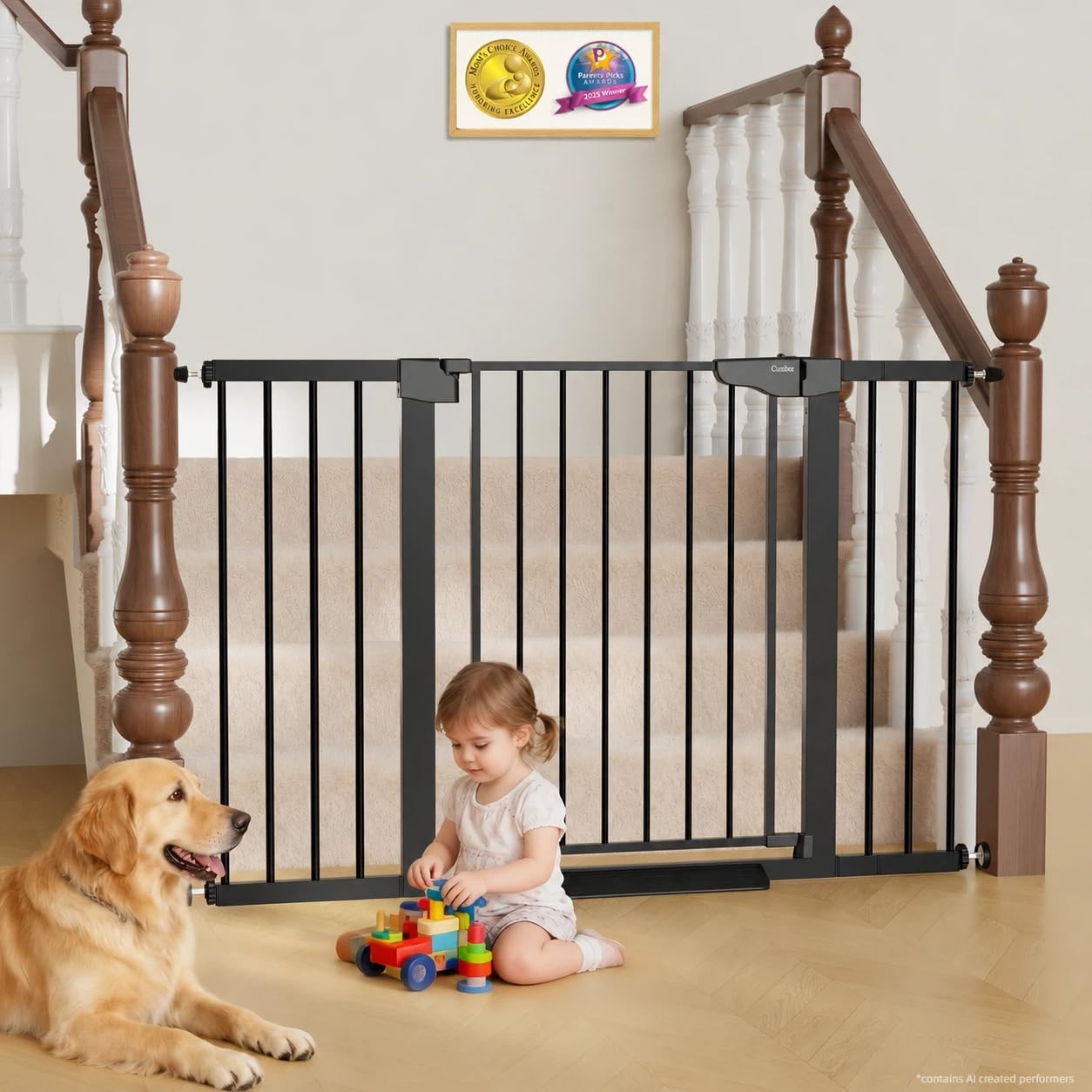
Gate extensions are add-on panels that increase the length or height of a freestanding pet gate. While not strictly a crate accessory, many owners use a gate to create a larger play area around the crate, especially for puppies that need a safe space with access to water and a potty pad. Some crate configurations allow you to attach a gate directly to the crate’s open door, turning the crate into a larger enclosure.
For more information on choosing freestanding gates that can extend a crate area, see our guide on Freestanding Pet Gates for Doorways and Open Plans. If you are using a gate to block a doorway near the crate, the general pet gate tips apply. Always make sure the extension is compatible with your specific crate model and that it uses a secure locking mechanism.
Door Locks and Escape-Proofing
Some dogs are escape artists that learn to push or paw open a standard crate latch. Door locks provide an extra layer of security. They come in two main types: clip-on locks that attach to the original latch, and sliding bolt locks or carabiner-style connectors that hold the door closed. Many crates have a simple slide bolt that a clever dog can dislodge; a lock that requires a two-step process or a twist mechanism can defeat most escape attempts.
When choosing a lock, look for one made of metal rather than plastic to resist breaking. Test the lock in a quiet environment first to be sure you can open it easily from the outside. Never use a lock that could trap your dog in an emergency, such as a keyed padlock. The best options are quick-release carabiner clips or threaded bolts that are simple for a human to operate but too difficult for a paw. Always check that the lock does not create a pinch point where your dog could get a toe or a lip caught. Inspect the lock regularly for wear, especially if your dog chews on it.
Features That Matter
Regardless of the type of accessory, there are a few broad features to evaluate before buying.
| Feature | Why It Matters |
|---|---|
| Material durability | Fabric covers and pads should be tear-resistant. Locks and brackets should be metal or heavy-duty plastic. Avoid coatings that chip or flake. |
| Ventilation | Covers must have mesh panels or breathable fabric. A lack of airflow can cause overheating, especially in warm conditions. |
| Fit and compatibility | Accessories designed for one brand may not work with another. Always check the crate’s dimensions and locking system. |
| Chew resistance | Any part that can be reached by the dog should be resistant to chewing. Remove accessories if you see damage. |
| Ease of cleaning | Pads and covers should be machine-washable or wipeable. Water bowls must be dishwasher-safe or easy to hand wash. |
| Safety certification | Look for accessories that meet basic safety guidelines (e.g., non-toxic materials, no small parts that can be swallowed). |
Sizing, Fit, and Compatibility
Getting the size right starts with your crate. Measure the interior length, width, and height in inches. For a cover, you need the overall crate dimensions, including the door curve if applicable. Many covers are sold as “small,” “medium,” etc., but these labels vary widely. Always check the product’s size chart against your crate’s measurements. A cover that is too small will not stay on; one that is too large may drag on the floor and become a chew hazard.
Dividers are usually model-specific. If your crate did not come with a divider, you can often purchase one from the same manufacturer. Universal dividers exist but may not lock securely. For attachable bowls, measure the distance between the horizontal bars on the crate door. The bracket must fit snugly. Some bowls are designed for wire crates only; others work with plastic and soft-sided crates as well, but soft-sided crates may not handle the weight of a full bowl.
Crate pads should be slightly smaller than the crate interior so they lie flat without bunching against the walls. A pad that is too large can force the dog to sit on a lumpy surface or may press against the door, interfering with the latch. Gate extensions often use pressure-mount or hardware-mount systems; verify the extension’s height and length match your existing gate. For door locks, check that they are compatible with the diameter of your crate’s door wire or the type of latch you have.
For a complete overview of crate and containment accessories, you can read more at our Crate & Containment Accessories page. If you need help choosing a gate for a room or doorway near the crate, our Pet Gates & Containment guide covers pressure-mount, hardware-mount, and freestanding options.
Common Buying Mistakes
One of the most frequent mistakes is ignoring ventilation when buying a crate cover. An owner may choose a thick, plush cover for warmth, then find the inside becomes too hot. Always select a cover with adequate mesh or open sides, and be prepared to remove it on warm days.
Another mistake is buying a divider that is not designed for your crate. A loose or incompatible divider can fall onto the dog or be pushed aside, creating a safety hazard. Stick to the crate manufacturer’s recommended divider.
Overlooking chew hazards is a common error. Accessories may have cords, tags, zippers, or seams that a dog can grab and chew. Before giving your dog a new accessory, run your hands over it to find any parts that could be pulled off. If your dog is a confirmed chewer, choose accessories made from heavy-duty materials and avoid those with dangling parts.
Many owners also forget to test the fit of a crate pad. A pad that is too thick can reduce headroom, making the dog uncomfortable. A pad that is too thin may provide no cushioning. Measure the interior height of the crate, then subtract the pad’s thickness to see how much headroom the dog will have.
Finally, purchasing a lock without testing its ease of use in an emergency is a mistake. The lock should be quick to open from the outside. Avoid locks that require a key or a tool that could be misplaced.
Care, Cleaning, and Upkeep
Most fabric covers and pads can be machine-washed on a gentle cycle and air-dried or tumble-dried on low. Always check the care label first. Waterproof liners may need to be wiped down instead of submerged. Attachable bowls should be washed after each use, especially if used for water, to prevent slime and bacteria. Stainless steel bowls are dishwasher safe; plastic and ceramic bowls may etch in a dishwasher, so hand washing is often better.
Door locks and brackets should be periodically checked for rust, bending, or loosening. A metal lock can corrode over time, particularly if the crate is used outdoors or in a humid room. Replace any lock that shows signs of wear. Gate extensions may need tightening of pressure mounts if they slip.
If you use a crate cover, remove it and air out the crate regularly to prevent moisture buildup. Dog breath and drool can create a humid environment that leads to mold on the cover fabric. Wash the cover at least every few weeks, or more often if your dog drools heavily.
For any accessory that your dog has managed to chew, discard it immediately. Ingested fabric or plastic pieces can cause a veterinary emergency. If you think your dog has swallowed part of an accessory, contact your veterinarian or an animal poison control helpline right away.
FAQ
Are crate covers safe for dogs that chew?
No cover is completely chew-proof. If you know your dog chews fabric, it is safer to avoid a cover or use a wire crate with a solid plastic back panel instead. Supervise the first few uses and remove the cover at the first sign of chewing. Heavy-duty canvas covers are more resistant than fleece or cotton, but any chewed fabric poses a risk.
How do I know if my crate cover provides enough ventilation?
Look for covers that have mesh or open weave on at least two sides. Many covers feature a mesh window on the door side and mesh panels on the two longest sides. If the cover is solid over more than half of the crate’s surface area, it may trap heat. Place your hand inside after the cover has been on for a few minutes; if it feels noticeably warmer than the room, the cover is restricting airflow.
Can I use a gate to extend my dog’s crate area?
Yes, some crate designs allow you to attach a compatible gate to the crate door, creating a larger enclosed area. You can also place a freestanding gate around the crate to give your dog more room while still containing them. For guidance on choosing a gate, see our Freestanding Pet Gates for Doorways and Open Plans guide.
How do I prevent my dog from escaping the crate?
Start by checking the crate lock: many standard slide-bolt latches can be pushed open by a determined dog. Replace the latch with a metal carabiner clip or a twist-bolt lock that requires two motions to open. Also ensure the crate door is properly aligned. Some dogs can push the door upward or sideways; a second lock on the top or side of the door can stop this. Never use a lock that could trap the dog in an emergency.
Choosing the right crate accessories comes down to knowing your dog’s habits and your specific needs. A well-chosen cover, divider, bowl, pad, extension, or lock can make the crate a safer, more comfortable space. Always prioritize ventilation and chew safety, check compatibility with your crate model, and follow the manufacturer’s instructions for installation and cleaning. With careful selection, you can avoid common mistakes and create a setup that works for both you and your dog.
About Ethan Brooks
Ethan Brooks is part of our editorial team and reviews and edits our everyday pet gear guides, checking product details against manufacturer specifications and owner feedback.