By Claire Whitaker
Pressure-mounted pet gates offer a simple way to block off areas of your home without drilling holes into walls. They use tension against door frames or hallway walls to stay in place, making them easy to install and remove. However, their convenience comes with specific fit requirements and safety limitations that every pet owner should understand before choosing one for their home.
How Pressure-Mounted Pet Gates Work
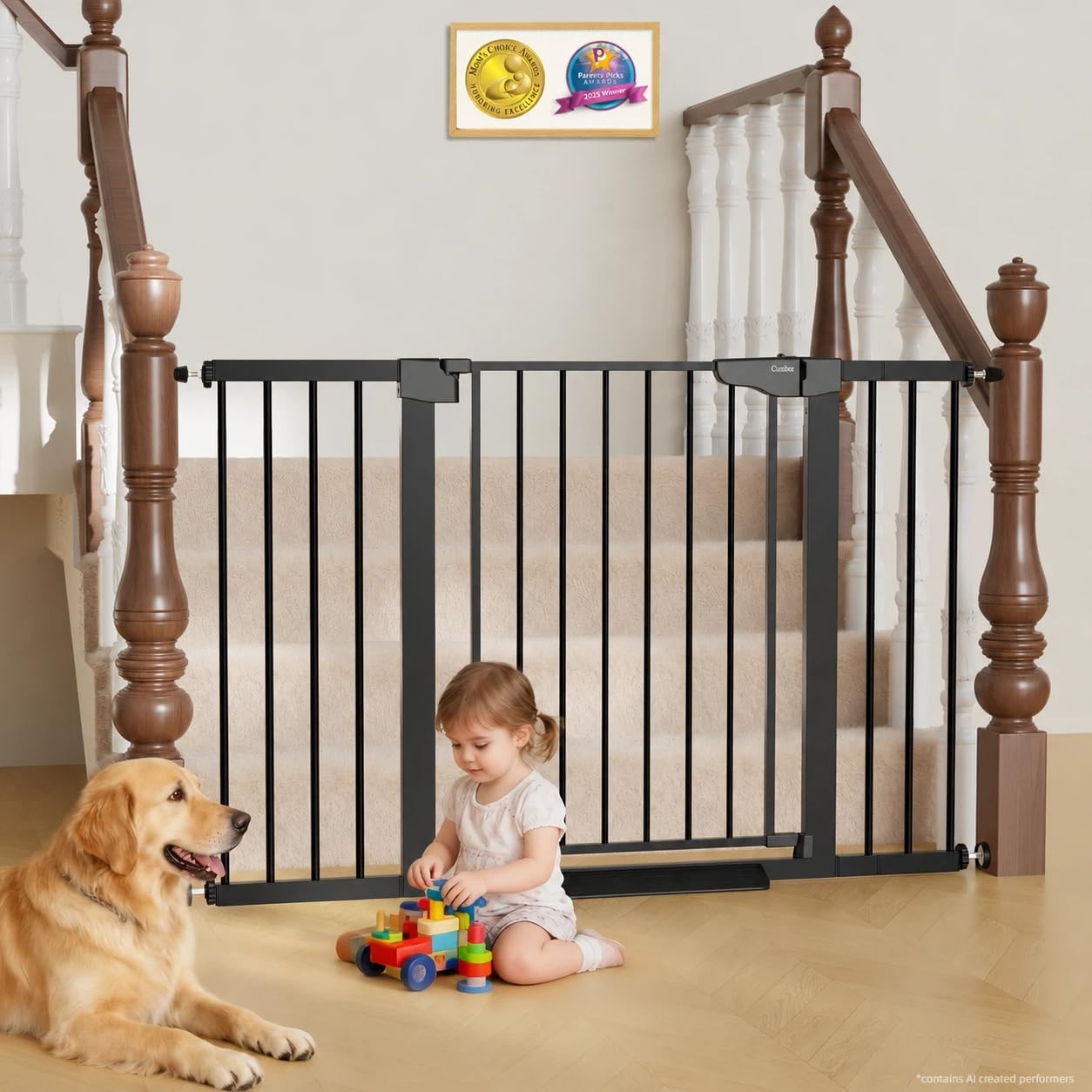
A pressure-mounted gate uses a spring-loaded or screw-tension mechanism that presses against the sides of an opening. When you expand the gate to fit snugly between two surfaces, the pressure holds it in place. No hardware is attached to the wall, so the gate leaves no permanent marks when removed. This design works well for doorways, hallways, and other openings where the frame is sturdy and the gate will not be subjected to strong force.
Because pressure gates rely on friction against the wall or frame, they are best suited for areas where the gate will not be pushed or leaned on heavily. They are ideal for keeping pets out of certain rooms on the same floor, or for creating a safe zone inside a room. The tension must be sufficient to prevent the gate from sliding or tipping, but not so tight that it damages the wall surface.
Measuring Openings and Using Extension Kits
Getting the right fit starts with accurate measurement. Use a tape measure to find the width of the opening at the point where the gate will be installed. Measure at the top, middle, and bottom of the opening because door frames are not always perfectly square. The narrowest measurement determines the minimum width the gate must fit, while the widest measurement tells you the maximum width the gate must span. Most pressure gates have an adjustable width range, so compare your measurements to the gate’s specified range.
If the opening is wider than the gate’s maximum width, extension kits can help. These are panels that attach to one or both sides of the gate to increase its total span. Extension kits are typically sold by the same manufacturer and are designed to match the gate’s height and locking mechanism. When using an extension, make sure the combined width stays within the gate’s recommended limits and that the tension mechanism still has enough travel to create a secure fit.
Height is another important measurement. Measure from the floor to the top of the gate once installed. The gate should be tall enough that your pet cannot jump over it. Choose a gate that is clearly taller than your dog can easily hop or climb over, and go taller for athletic dogs. Cats and small dogs that are agile may require a taller gate or one with a mesh panel that extends higher.
Walk-Through Doors and Auto-Close Features
Many pressure gates include a small door that allows you to pass through without removing the entire gate. This can be convenient when you need to carry items or move between rooms frequently. Look for a door that opens in both directions or swings away from the pet’s side. Some doors have a latch that requires two hands to operate, which helps prevent pets from learning how to open it.
Auto-close mechanisms use a spring or hydraulic hinge to shut the door automatically after you pass through. This feature is helpful if you tend to forget to close the gate behind you. However, auto-close adds complexity and may require periodic adjustment to keep the door closing smoothly. Check the manufacturer’s instructions for any maintenance steps.
Height Considerations for Jumpers and Climbers
Pets that can jump or climb pose a challenge for any gate. A pressure gate that is too short may be easily cleared by a determined dog or cat. Gates come in a range of heights, including extra-tall models. For pets that are known jumpers, choose one of the taller options. Some gates also have vertical bars or mesh panels that make climbing more difficult.
If your pet has learned to climb over a gate, consider a model with a solid panel or a mesh design that offers no footholds. Pressure gates with horizontal bars can sometimes be used as a ladder by agile pets. Always observe your pet’s behavior after installing a gate and adjust if necessary. If the pet continues to get over the gate, a hardware-mounted gate or a taller model may be needed.
Why Pressure Gates Should Not Be Used at the Top of Stairs
Pressure-mounted gates are not safe for use at the top of stairs. The tension that holds the gate in place can be dislodged by a pet leaning against it, or by repeated use of the walk-through door. If the gate gives way at the top of stairs, a pet could fall down the stairs and suffer serious injury. This is a widely accepted safety guideline followed by manufacturers and pet safety organizations.
For the top of stairs, always use a hardware-mounted gate that is screwed into the wall or door frame. Hardware-mounted gates provide a permanent, secure attachment that will not shift or fall under pressure. They require drilling holes, but the safety benefit outweighs the installation effort. Some hardware gates can also be used at the bottom of stairs, but pressure gates should never be placed at the top.
If you need a gate for a stairway landing or a hallway that leads to stairs, choose a hardware-mounted model. Pressure gates may be acceptable at the bottom of stairs in some situations, but even there, a hardware gate is more secure if the pet is likely to push against it.
Wall Protection Cups
Because pressure gates press against walls, they can leave marks, dents, or scratches over time. Wall protection cups are small plastic or rubber discs that fit over the ends of the gate’s pressure pads. They distribute the force over a larger area and reduce the risk of damage to paint or drywall. Many gates come with these cups included, but you can also purchase them separately if yours did not.
Install the cups on both ends of the gate where it contacts the wall. Make sure the cups are clean and free of debris before mounting the gate. If you move the gate frequently, check the cups for wear and replace them if they become cracked or flattened. Using protection cups is especially important in rental homes where wall damage could affect your security deposit.
Checking Tension Regularly
A pressure gate’s tension can loosen over time due to temperature changes, vibrations from doors closing, or pets bumping into it. Check the tension every few weeks by gently pushing on the gate from both sides. If the gate shifts or slides, it needs to be tightened. Follow the manufacturer’s instructions for adjusting the tension mechanism, which usually involves turning a knob or twisting the gate body to expand it further.
Pets that grow larger or more active may also require more tension to keep the gate secure. If you notice the gate becoming loose more frequently, consider upgrading to a hardware-mounted gate for that location. Never rely on a loose pressure gate to contain a pet, especially near stairs or other hazards.
Reference Table: Pressure-Mounted vs. Hardware-Mounted Gate Locations
| Location | Pressure-Mounted | Hardware-Mounted |
|---|---|---|
| Doorway between rooms | Yes, if frame is sturdy | Yes, more permanent |
| Hallway (no stairs nearby) | Yes, with proper fit | Yes, more secure |
| Top of stairs | Never | Required |
| Bottom of stairs | Use caution; hardware preferred | Yes, recommended |
| Kitchen or laundry room | Yes, if not near stairs | Yes, if drilling is allowed |
This table summarizes where each type of gate is appropriate. Always prioritize safety over convenience when choosing a gate location.
FAQ
Can I use a pressure gate in a doorway that is wider than the gate’s maximum range?
You can use an extension kit designed for that gate model to increase the width. However, the combined width must not exceed the manufacturer’s recommended limit. If the opening is too wide even with extensions, a hardware-mounted gate or a different type of barrier may be necessary.
How do I know if my pet can jump over the gate?
Observe your pet’s jumping ability in other contexts. The gate should be clearly taller than your pet can easily hop or climb over. For cats and agile small dogs, choose a taller gate or one with a mesh top panel. If your pet clears the gate, replace it with a taller model.
What should I do if the gate leaves marks on the wall?
Use wall protection cups on the pressure pads to distribute the force and prevent damage. If marks still appear, you may be tightening the gate too much. Adjust the tension so it is snug but not overly tight. For rental properties, consider using a hardware-mounted gate with removable brackets to avoid wall damage.
Can I install a pressure gate at the bottom of stairs?
Pressure gates are sometimes used at the bottom of stairs, but they are less secure than hardware-mounted gates. If your pet is likely to push against the gate or if the stairs are steep, a hardware-mounted gate is safer. Follow the manufacturer’s guidance for stair placement.
Choosing the right pressure-mounted pet gate involves careful measurement, understanding the gate’s limits, and respecting safety guidelines. Measure your openings accurately, use extension kits when needed, and never place a pressure gate at the top of stairs. Check the tension periodically and use wall protection cups to keep your walls in good condition. For more information on pressure-mounted gates and other containment options, visit our pet gates guide.
About Claire Whitaker
Claire Whitaker is part of our editorial team and reviews and edits our everyday pet gear guides, checking product details against manufacturer specifications and owner feedback.