 By Claire Whitaker
Updated November 2026
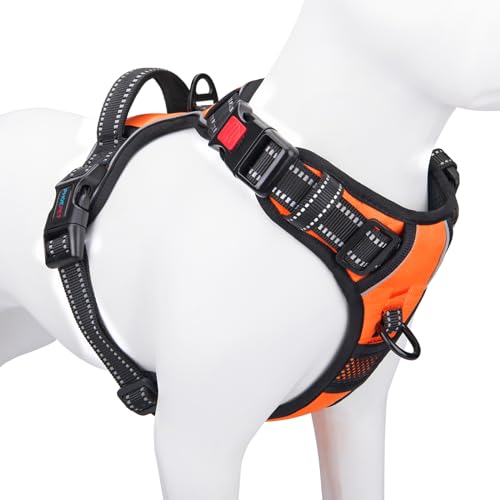
A dog friendly co harness is a harness designed to fit comfortably around a dog’s chest and shoulders while spreading pulling force across the body instead of the neck. This guide walks you through what to look for, how to measure and fit one, and what mistakes to avoid so your dog stays comfortable on daily walks, trips and errands.
What Makes a Dog Friendly Co Harness Different
Most harnesses that get labeled “dog friendly” share a few design traits. The chest panel is wide and padded, the straps avoid the shoulder blades and the front of the neck, and there is no pressure on the throat. Some owners also call these “co” harnesses when they are sold as comfort-focused, everyday models. The label itself is not a standard, so the features matter more than the name on the packaging. Read the product specs for adjustment range, strap width and attachment point rather than trusting the marketing copy alone.
Shopping for one? See our guide: Buddy Belts Dog Harness vs Standard Step-In Harness: Which Should You Choose?.
Step 1: Measure Your Dog Correctly
A harness that fits badly will rub, slip or restrict movement, no matter how well it is designed. Measure before you buy.
- Wrap a soft tape measure around the widest part of the chest, just behind the front legs. Keep the tape snug but not tight.
- Measure the neck at its base, where a collar would sit.
- Measure the length from the base of the neck to the base of the tail if the manufacturer lists a back-length measurement.
- Compare each number against the brand’s size chart. Do not rely on breed or weight alone, since body shapes vary widely.
If your dog falls between sizes, choose the larger one and tighten the straps. Many adjustable models allow a few centimeters of change at each strap.
Step 2: Check the Fit Before Every Walk
Fit is not a one-time job. Coats, weight changes and growth all shift how a harness sits. Use these checks each time you put it on.
- You should slide two fingers flat under the chest strap and under the neck opening.
- The chest panel should sit centered on the breastbone and not ride up toward the throat.
- Straps should not cross the shoulder blades or press into the armpits.
- Your dog should walk, sit, lie down and reach to the ground without the harness shifting.
Step 3: Match the Harness to Your Routine
The same harness will not suit every activity. A short neighborhood loop asks different things of a harness than a long hike or a car trip. If you are unsure how to compare designs, our guide on How to Choose and Fit a Dog Harness covers the core decisions, and Front-Clip vs Back-Clip Dog Harness: Which One Is Better? explains how the attachment point changes control on the leash. For strong pullers, many trainers suggest a front-clip design, while a back-clip model may suit dogs who walk well and are simply going along for the ride.
For puppies, look for a model with a smaller size range and a lighter build, since growing dogs outgrow gear quickly. 3 Best Puppy Harness for Small Dogs (2026) is a useful starting point for smaller pups.
Common Mistakes to Avoid
- Buying by weight alone. Chest size and body shape matter more than pounds.
- Leaving a harness on for long periods without checking for rubbing, especially on wet or hot days.
- Clipping the leash to a point that twists the harness sideways.
- Skipping the fit check after the dog has grown, gained weight or changed coat thickness.
- Ignoring signs of discomfort such as limping, reluctance to walk, or repeated scratching at the straps.
Recommended gear
A fitting kit makes measuring easier and helps you compare sizes accurately. Choose a flexible, soft tape measure marked in both inches and centimeters.
A leash clip or hook that holds the harness without twisting keeps the attachment point steady during walks. Look for a sturdy metal clip with a swivel.
A harness fitting guide or reference chart can help you compare brand size tables side by side before buying. For a deeper look, Harness for a Blind Dog: How to Choose and Fit One Safely (2026) covers this in detail.
FAQ
Is a dog friendly co harness better than a collar?
For many dogs, especially those who pull, a well-fitted harness spreads force across the chest and reduces strain on the neck. A collar still works well for ID tags and for dogs who walk calmly, but it is not ideal for every dog.
How tight should a harness be?
You should fit two fingers flat under the straps. The harness should be snug enough that it does not slip off, but loose enough that it does not restrict breathing or movement.
When should I see a professional about harness fit?
If your dog has a neck, shoulder or chest condition, or shows pain or limping while wearing a harness, consult a veterinarian or a certified trainer before choosing a model.
Conclusion
A dog friendly co harness works best when it is measured carefully, checked before every walk and matched to how you actually use it. Focus on fit and design features rather than labels. Recheck the fit regularly as your dog grows or changes, and your dog will be more comfortable on every outing.
Related reading
Ready to choose one?
About Claire Whitaker
Claire Whitaker is part of our editorial team and reviews and edits our everyday pet gear guides, checking product details against manufacturer specifications and owner feedback.