 By Claire Whitaker
Updated November 2026
A dog harness pulling weight works by spreading force across the chest and shoulders instead of the neck. This guide explains how to pick a harness built for load work, fit it so it does not rub or shift, and introduce pulling in short, controlled steps. Done right, you get a dog that pulls with good body mechanics and no soreness afterward.
Choose a Harness Built for Load, Not Just Walking
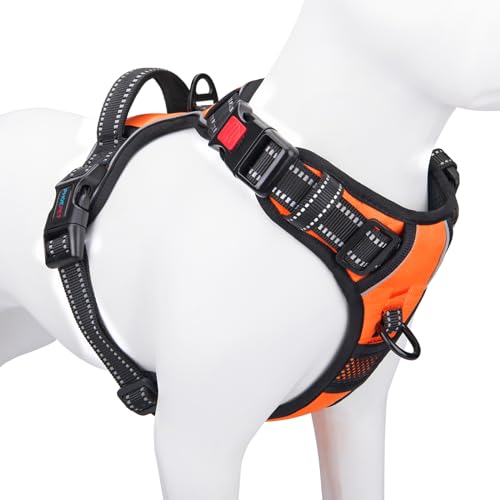
A standard walking harness is designed for light tension. Weight pulling puts sustained force through the harness, so look for a few specific features:
Shopping for one? See our guide: Buddy Belts Dog Harness vs Standard Step-In Harness: Which Should You Choose?.
- Wide chest plate: A broad panel distributes pressure over the sternum and shoulders.
- Padded straps: Thick, soft padding reduces friction at the armpits and behind the front legs.
- Reinforced stitching: Check that the attachment points are bar-tacked or double-stitched, not just glued.
- Rear attachment point: A pulling line anchored along the back keeps force off the front legs and lets the dog drive forward.
Owners often report that harnesses made for sled or cart work fit better than general pet harnesses for this purpose. Check the manufacturer’s stated working load before you buy.
Fit the Harness So It Stays Put Under Load
Fit matters more than the brand. A harness that is too loose slides back and rides up the neck. One that is too tight restricts shoulder movement.
- Measure your dog’s chest at the widest point behind the front legs, and the neck at the base. Compare both against the manufacturer’s size chart.
- Fit the harness with the chest plate centered on the sternum. You should fit two fingers flat under each strap.
- Walk your dog for two minutes without a load. Stop and check for rubbing, bunching or strap rolling.
- Make small adjustments before adding any weight.
Pay attention to the armpits. Redness or hair loss there usually means the strap is too narrow or sitting too far forward.
Introduce Pulling in Gradual Stages
Start with light, short sessions. Most dogs need several weeks of conditioning before they handle sustained load well.
Stage 1: Harness and Drag Only
Attach a light drag line to the rear point and let your dog walk while the line trails behind. Reward calm walking.
Stage 2: Light Load
Add a small, measured weight, such as a sandbag or a light sled, and keep sessions to a few minutes. Increase the load only when your dog moves with a steady gait and no hesitation.
Stage 3: Controlled Sessions
Build to longer pulls at a consistent pace. Stop before your dog shows fatigue, such as slowing, panting heavily or lagging behind your cue.
Common Mistakes to Avoid
- Adding weight too fast, which strains the shoulders and back.
- Pulling on a harness that was never fitted for load work.
- Skipping warm-up and cool-down walks before and after sessions.
- Ignoring rubbing or skin irritation until it becomes a sore.
- Pulling on hot days or on hard surfaces without checking your dog’s comfort.
Recommended Gear
- Wide-chest pulling harness: A broad, padded chest plate spreads force across the shoulders. View on Amazon
- Drag line with a rear attachment: Keeps the pull behind the dog so the front legs stay clear. View on Amazon
- Sandbag or light cart for conditioning: Lets you add weight gradually in measured steps. View on Amazon
FAQ
Can any dog harness be used for pulling weight?
Most standard harnesses are not built for sustained load. Use a harness designed for pulling, and confirm its working load with the manufacturer before attaching any weight.
How much weight should a dog pull at first?
Start with a very light load that your dog can move with a steady gait. Increase slowly over several weeks, and consult a veterinarian or certified working-dog trainer before beginning any structured program.
How do I know if the harness is causing discomfort?
Check for redness, hair loss, bunching or your dog resisting the harness. If you see any of these, stop, refit the harness and consult a veterinarian if the skin is broken.
Conclusion
A well-chosen, well-fitted harness is the foundation of safe weight pulling. Build up the load in small stages and watch your dog’s movement and skin closely. Consistent, measured sessions will do more for your dog’s health than any single heavy pull.
Related reading
- Walking Dog with a Harness: Step-by-Step Guide for Safe, Comfortable Walks
- Rough Wear Dog Harness: How to Pick One That Lasts
- Lifting Harness for Dog: 3 Best Options for Senior and Injured Dogs (2026)
- How to Wear a Harness for Dog: A Step-by-Step Guide for Beginners
Ready to choose one?
About Claire Whitaker
Claire Whitaker is part of our editorial team and reviews and edits our everyday pet gear guides, checking product details against manufacturer specifications and owner feedback.