By Claire Whitaker
Updated November 2026
A good dog harness for skijoring has to do more than fit. It needs to distribute pulling force across the chest and shoulders, stay put when the dog lunges, and hold up to snow, ice and repeated load. This guide compares six harnesses that owners commonly choose for skijoring, bikejoring, canicross and sledding. Our selection method is research-based: we looked at manufacturer specifications, brand reputation for pulling gear, and patterns in owner feedback about fit, chafing and durability. We did not test these products ourselves, so treat the notes below as a starting point and check sizing against your own dog’s measurements before you buy.
Our top picks at a glance
- 1
 TOP CHOICEBest overallNon-stop dogwear Freemotion Harness 5.0View on Amazon
- 2
 TOP CHOICEBest for small and medium sporting breedsReflective X-Back Sledding HarnessView on Amazon
- 3
 TOP CHOICEBest for large dogs on long haulsGentleBliss Weight Pulling HarnessView on Amazon
- 4
 Best for working sled teamsPET ARTIST Dog Sled HarnessView on Amazon
- 5
 Best for training with a whistleIRSTBL Dog Weight Pulling HarnessView on Amazon
- 6
 Best budget pickRush HarnessView on Amazon
Our Top Picks
| Product | Best for | Key feature |
|---|---|---|
| Non-stop dogwear Freemotion Harness 5.0 | Mixed sports from running to skiing | Adjustable sport fit with pulling attachment |
| Reflective X-Back Sledding Harness | Small and medium sporting breeds | Reflective X-back design for visibility |
| GentleBliss Weight Pulling Harness | Large dogs on long hauls | X-back construction for load distribution |
| PET ARTIST Dog Sled Harness | Working sled teams | Heavy-duty sledding build |
| IRSTBL Dog Weight Pulling Harness | Training sessions | Included training whistle |
| Rush Harness | Owners starting out on a smaller budget | Simple pulling harness with two-tone design |
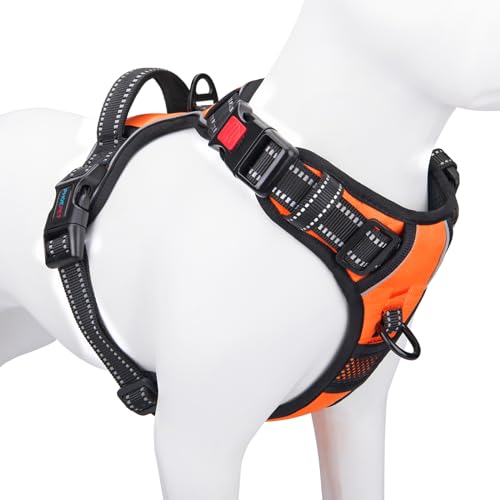
Non-stop dogwear Freemotion Harness 5.0
Non-stop dogwear Freemotion Harness 5.0 Dog Pulling Harness for Sports Like Running, Biking and Skiing with Dogs, Professional Adjustable Dog Harness, Orange/Black, Size 6
Best for: Mixed sports from running to skiing
This harness suits owners who train the same dog for several activities and want one adjustable fit that handles running, biking and skiing. It is a good match for medium and large dogs with a standard chest shape.
Key specs
- Sport-style pulling harness designed for canicross, bikejoring and skijoring
- Adjustable straps for a customized fit
- Listed in size 6
Pros
- Adjustable fit suits many chest shapes
- Designed around multiple pulling sports
- Brand is widely associated with canine sport gear
Cons
- Sizing requires careful measuring of chest girth
- May be more than a casual walker needs
Bottom line: A strong choice for owners who plan to rotate between several pulling sports with one harness.
View on AmazonReflective X-Back Sledding Harness
Dog Pulling Harness Reflective X-Back Harness for Sledding Exercise, Canicross Scootering, Bikejoring, Skijoring, Fit for French Bulldog Dogs, Small Husky, Small Shiba Inu (XL)
Best for: Small and medium sporting breeds
Owners of smaller working breeds such as French Bulldogs, small Huskies and Shiba Inus often look for an X-back design that keeps the pull away from the neck. The reflective trim matters for early-morning or dusk training in winter.
Key specs
- X-back pulling design for sledding, canicross and skijoring
- Reflective trim for low-light visibility
- Sized in XL on the listing, so check the size chart closely
Pros
- X-back layout spreads load across the chest
- Reflective material improves visibility
- Covers several activities in one design
Cons
- Listed size scale can be confusing for smaller dogs
- Not intended for very heavy pulling loads
Bottom line: Best suited to owners of small to medium sporting dogs who train in low light.
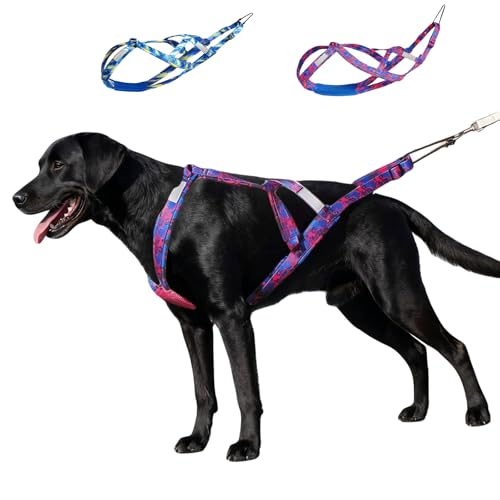
View on AmazonGentleBliss Weight Pulling Harness
Weight Pulling Harness for Dogs – Running, Sled, Canicross & Large | GentleBliss – X-back pulling harness for weight pulling & sledding. Designed for large dogs, hiking, skijoring (Blue,XL)
Best for: Large dogs on long hauls
This X-back harness is marketed for weight pulling, sledding and hiking with large dogs. It fits owners who want a heavier-duty build for sustained pulling rather than light recreational use.
Key specs
- X-back pulling harness for weight pulling and sledding
- Designed for large dogs
- Listed in blue, size XL
Pros
- X-back layout suits sustained pulling
- Marketed for a range of pulling activities
- Sized for large dogs
Cons
- Heavier build may feel bulky on smaller dogs
- Fit details should be verified against the size chart
Bottom line: A practical pick for owners of large dogs who want a sturdy harness for long skijoring sessions.
View on AmazonPET ARTIST Dog Sled Harness
PET ARTIST Dog Sled Harness for Large Work Dogs, Dog Pulling Sledding Harnesses for Behaviors Training,Weight Pulling,Canicross,Ski-Joring
Best for: Working sled teams
This harness is aimed at working and sled dogs that pull heavy loads for extended periods. It suits teams and owners who prioritize load capacity over a lightweight feel.
Key specs
- Designed for large working dogs
- Built for sledding, weight pulling, canicross and skijoring
- Intended for behavior training as well as pulling
Pros
- Sturdy construction aimed at heavy use
- Covers multiple working-dog activities
- Suits large, high-drive dogs
Cons
- Bulkier than sport-style harnesses
- Overkill for light recreational skijoring
Bottom line: Best for owners running larger working dogs who need a harness built for heavy loads.
View on AmazonIRSTBL Dog Weight Pulling Harness
IRSTBL Dog Weight Pulling Harness with Training Whistle, Large Breeds | Heavy-Duty, X-Back Canicross Harness, Muscle Building, Sledding & Working Dogs
Best for: Training sessions
Owners who run structured conditioning or cue-based pulling drills may appreciate the included training whistle. This harness targets large breeds and working dogs in muscle-building and sledding work.
Key specs
- X-back canicross and weight pulling design
- Includes a training whistle
- Marketed for large breeds and working dogs
Pros
- Included whistle supports training routines
- X-back layout for pulling work
- Heavy-duty positioning for large breeds
Cons
- Whistle is a secondary feature, not a reason to buy alone
- Large-breed sizing may not suit small dogs
Bottom line: A reasonable choice for owners who want a pulling harness with a built-in cue tool for training.
View on AmazonRush Harness
Rush Harness, Black/Orange, 2
Best for: Budget pick for owners starting out
This is a simple pulling harness for owners who want to try skijoring or canicross before committing to a premium model. It is a sensible entry point for lighter dogs and short sessions.
Key specs
- Pulling harness in black and orange
- Listed in size 2
- Suitable for light recreational pulling
Pros
- Straightforward design for beginners
- Easy to compare against higher-end options
- Good for short, low-intensity sessions
Cons
- Limited detail on specs and load rating
- Not built for heavy or sustained pulling
Bottom line: A reasonable starter option for light use, but measure your dog carefully and plan to upgrade if your dog pulls hard.
View on AmazonBuying Guide
Fit and chest measurement
Measure the widest part of your dog’s chest just behind the front legs, and measure neck girth where the harness will sit. Most harnesses should allow two fingers to slide under the straps. A harness that is too loose will shift during a lunge, and one that is too tight will restrict breathing and chafe the armpits.
Good picks for this: Non-stop dogwear Freemotion Harness 5.0, Reflective X-Back Sledding Harness
Back-clip vs X-back pulling design
Skijoring and sledding harnesses usually use either a back attachment point or an X-shaped design that crosses over the chest and back. X-back layouts tend to spread load more evenly and keep the pull off the neck, which owners often prefer for sustained work.
Good picks for this: GentleBliss Weight Pulling Harness, IRSTBL Dog Weight Pulling Harness
Size and breed type
Brachycephalic breeds, deep-chested dogs and very lean sighthounds each need different geometry. Check the manufacturer’s size chart against your measurements rather than your dog’s usual collar or walking harness size, since pulling harnesses often run differently.
Good picks for this: Reflective X-Back Sledding Harness, Rush Harness
Padding and chafing
Look for padded chest panels and smooth edges where straps contact the armpits. Owners of dogs with short coats or sensitive skin often report chafing during long sessions, so check the padding and plan to inspect the skin after each outing.
Good picks for this: Non-stop dogwear Freemotion Harness 5.0, PET ARTIST Dog Sled Harness
Durability and load
Skijoring puts repeated stress on stitching, buckles and webbing. Heavy-duty builds are designed for working dogs and sustained pulling, while lighter sport harnesses suit recreational use. Inspect seams and hardware regularly, and retire a harness that shows fraying.
Good picks for this: PET ARTIST Dog Sled Harness, GentleBliss Weight Pulling Harness
Visibility in winter conditions
Short winter days and dusk training make reflective trim useful. Look for reflective panels on the back and chest so drivers, skiers and other trail users can see your dog.
Good picks for this: Reflective X-Back Sledding Harness
Training features
If you run structured conditioning or cue-based drills, consider whether a built-in training accessory adds value. Do not choose a harness for an accessory alone, and make sure the core fit and build meet your dog’s needs.
Good picks for this: IRSTBL Dog Weight Pulling Harness, Rush Harness
FAQ
What is the difference between a skijoring harness and a regular walking harness?
Skijoring harnesses are built to handle sustained pulling forces and usually have a reinforced attachment point and an X-back or similar pulling layout. Regular walking harnesses are designed for lower-tension walks and may not distribute load well during sustained pulling.
Should I use a back-clip or front-clip harness for skijoring?
Most skijoring and sledding harnesses use a back attachment point because it keeps the pull in line with the dog’s body. Front-clip designs are generally better suited to leash-walking and pulling reduction. Check the product description before you buy.
How do I know if the harness fits correctly?
Measure chest and neck girth and compare them to the manufacturer’s chart. Once fitted, you should be able to slide two fingers under each strap, and the harness should not shift when your dog moves. Check the skin under the straps after each session.
Can small dogs use skijoring harnesses?
Some sport harnesses are sized for small and medium breeds, but very small dogs may not be suited to skijoring at all. Consult a veterinarian or a qualified canine sport trainer before starting, especially for brachycephalic or senior dogs.
How often should I replace a skijoring harness?
There is no fixed replacement schedule. Retire a harness when you see frayed webbing, weakened stitching, cracked buckles or deformed hardware. Heavy use accelerates wear, so inspect the harness before every session.
Is a training whistle worth looking for in a harness?
A built-in whistle can be handy for cue-based training, but it should be a bonus rather than the main reason to buy. Prioritize fit, pulling design and durability first.
Conclusion
For most owners, the Non-stop dogwear Freemotion Harness 5.0 offers the most flexible fit across several pulling sports. Owners of small and medium sporting breeds may prefer the Reflective X-Back Sledding Harness, while large dogs on long hauls are better served by the GentleBliss Weight Pulling Harness or PET ARTIST Dog Sled Harness. The IRSTBL harness suits structured training, and the Rush Harness is a reasonable starting point for light use. Measure your dog carefully, check the size chart, and inspect the harness regularly.
Sources
- Breed information, exercise considerations and general guidance on choosing dog equipment (akc.org)
- Veterinary guidance on dog health, exercise and when to consult a professional (avma.org)
- Consumer safety information on pet products and recall reporting (cpsc.gov)
Related reading
- Wild Ones Dog Harness: How to Choose and Fit One for Daily Walks
- Walking Dog with a Harness: Step-by-Step Guide for Safe, Comfortable Walks
- Voyager Step in Air Dog Harness: How to Fit and Use It Correctly
About Claire Whitaker
Claire Whitaker is part of our editorial team and reviews and edits our everyday pet gear guides, checking product details against manufacturer specifications and owner feedback.