 By Claire Whitaker
Traveling with a dog or cat goes more smoothly when you pack a dedicated travel bag before you leave. Instead of scrambling for food, bowls, and paperwork at the last minute, you can gather everything your pet needs in one organized place. This guide walks through a complete packing checklist for pet travel, grouped by category, so you can load the car with confidence and keep your companion comfortable from the first mile to the last.
Before You Start Packing
Take a few minutes to think about your specific trip before you fill a bag. A weekend visit to family requires different supplies than a long road trip or a flight. Consider the weather, the length of the journey, and whether your pet will stay in a hotel, a rental, or a friend’s home. Also check the rules of any airline, train, or ferry you plan to use, since carriers and documentation requirements vary by carrier and destination.
If your pet takes medication or has a health condition, contact your veterinarian well ahead of departure. Ask for a written record of vaccinations, a health certificate if your destination requires one, and enough medication to cover the trip plus a few extra days in case of delays. Your vet can also advise on motion sickness or anxiety, but follow their instructions rather than trying over-the-counter remedies on your own.
The Complete Packing Checklist, Grouped by Category
Work through these categories and pack what fits your pet and your trip. You do not need every single item for every journey, but the list covers the essentials for most dogs and cats.
Food and Treats
- Enough of your pet’s regular food for the whole trip, plus extra for unexpected delays
- Treats for rewards, training, or calming moments during travel
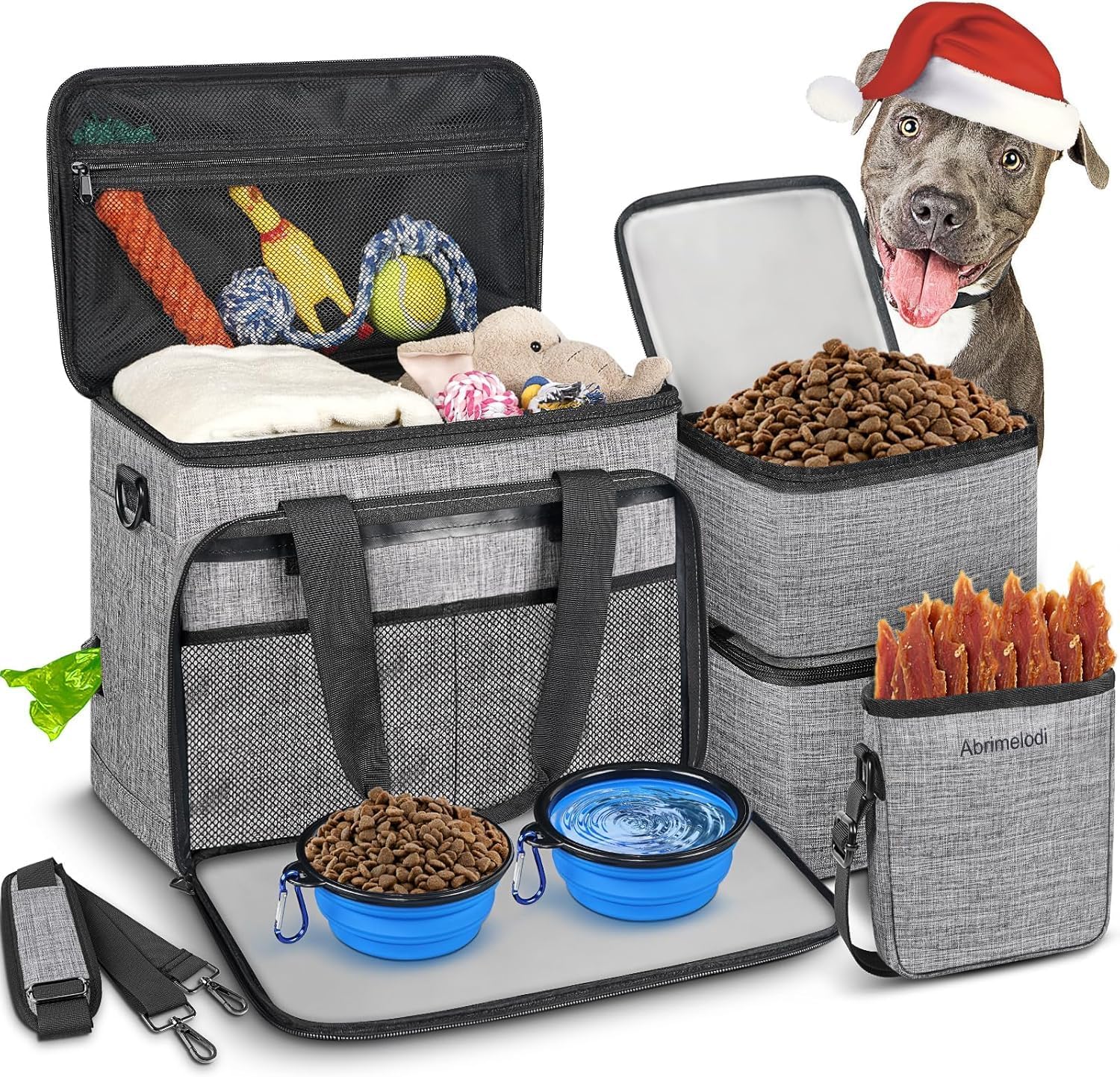
- A portable food container or resealable bag to keep kibble fresh
- A small spoon or scoop so you do not have to guess portions
Keep feeding times consistent with your pet’s normal schedule. A sudden change in diet can upset a stomach, so pack the same brand and formula your pet eats at home. If you are traveling for more than a few days, consider packing food in portioned bags so feeding at a hotel or campsite is quick and tidy.
Bowls and Water
- Collapsible or travel bowls for food and water
- A spill-proof water bottle or a sealed container of tap water from home
- A small towel or cloth to wipe up spills and dry bowls
Offer water at every rest stop and during longer car rides. Some pets drink less when they are away from home, so encourage small, frequent sips rather than forcing a large amount at once. If you are crossing into an area with different water, bringing water from home can help avoid digestive upset.
Leash, Harness, and Collar
- A well-fitted collar or harness with an ID tag
- A sturdy leash, preferably one that is easy to grip
- A backup leash in case the first one breaks or gets lost
- A hands-free leash option if you will be hiking or navigating busy areas
Even a well-behaved pet should stay leashed in unfamiliar places. A harness gives you more control than a collar alone, especially for dogs that pull or for cats that may try to bolt. Check that the harness fits snugly but not tightly, and adjust it before you leave home rather than in a parking lot.
Identification and Documentation
- An ID tag with your cell phone number, and consider adding a destination address or contact
- A copy of your pet’s vaccination records, especially rabies
- A health certificate if required by your destination or transportation provider
- A recent photo of your pet on your phone, in case they get lost
- A list of medications and dosing instructions
Update the ID tag before you go. If your pet has a microchip, confirm that the registration information is current and includes your cell number. Keep paper copies of records in your travel bag and also save digital copies on your phone. If you are crossing state or international borders, check the official requirements for the places you will enter, because rules differ widely.
Medications and First Aid Basics
- All prescription medications, packed in their original containers
- Any supplements or preventive treatments your pet uses regularly
- A basic pet first aid kit with gauze, adhesive tape, antiseptic wipes, and tweezers
- A digital thermometer if you know how to use it safely on your pet
Ask your veterinarian for a copy of your pet’s medication list and any instructions for giving the medication. For first aid, do not attempt to treat serious injuries yourself; your job is to stabilize and get to a veterinarian. If your pet swallows something harmful, contact your veterinarian or an animal poison control line right away.
Waste Bags and Cleanup Supplies
- Plenty of waste bags for dog walks and litter scooping
- A small roll of paper towels and a travel-sized bottle of enzymatic cleaner
- Disposable gloves if you prefer them for cleanup
- A portable litter box or a disposable tray for cats, if needed
Accidents happen, especially in new places. Pack more waste bags than you think you need, and keep a few in your pocket or on the leash for quick access. For cats, a small litter box with a lid can fit in the car and makes rest stops much easier.
Bedding and Comfort
- A familiar blanket or bed from home that smells like your pet’s territory
- A travel bed that folds flat or rolls up for easy packing
- A towel to place over hotel furniture or car seats
- A calming shirt or pheromone spray if your pet is prone to travel anxiety, following the product instructions
Familiar scents help pets settle in unfamiliar rooms. Place the blanket or bed in the carrier or on the floor of the hotel room so your pet has a safe spot to retreat. If you use a calming product, test it at home first and follow the manufacturer’s guidance.
Toys and Enrichment
- A favorite toy or two, such as a chew toy for dogs or a small stuffed toy for cats
- A puzzle toy or treat-dispensing toy to keep your pet busy during downtime
- A long-lasting chew or treat for dogs that need to occupy their mouths
Toys provide comfort and mental stimulation during long waits or quiet evenings. Avoid bringing anything that squeaks loudly if you are staying in a hotel with thin walls. Rotate toys during the trip to keep them interesting.
Grooming Wipes and Hygiene
- Pet-safe grooming wipes for quick cleanups of paws, face, and fur
- A small brush or comb suited to your pet’s coat
- A travel-sized bottle of pet shampoo for serious messes
- Nail clippers if you are comfortable using them, or a file for smoothing
Grooming wipes are useful after muddy walks, sandy beach days, or meals that end with crumbs in the fur. A quick brush removes loose hair and keeps your pet cooler in warm weather. For cats, a familiar brush can also be a calming ritual in a new place.
Crate or Carrier
- A crate or carrier that meets the requirements of your transportation method
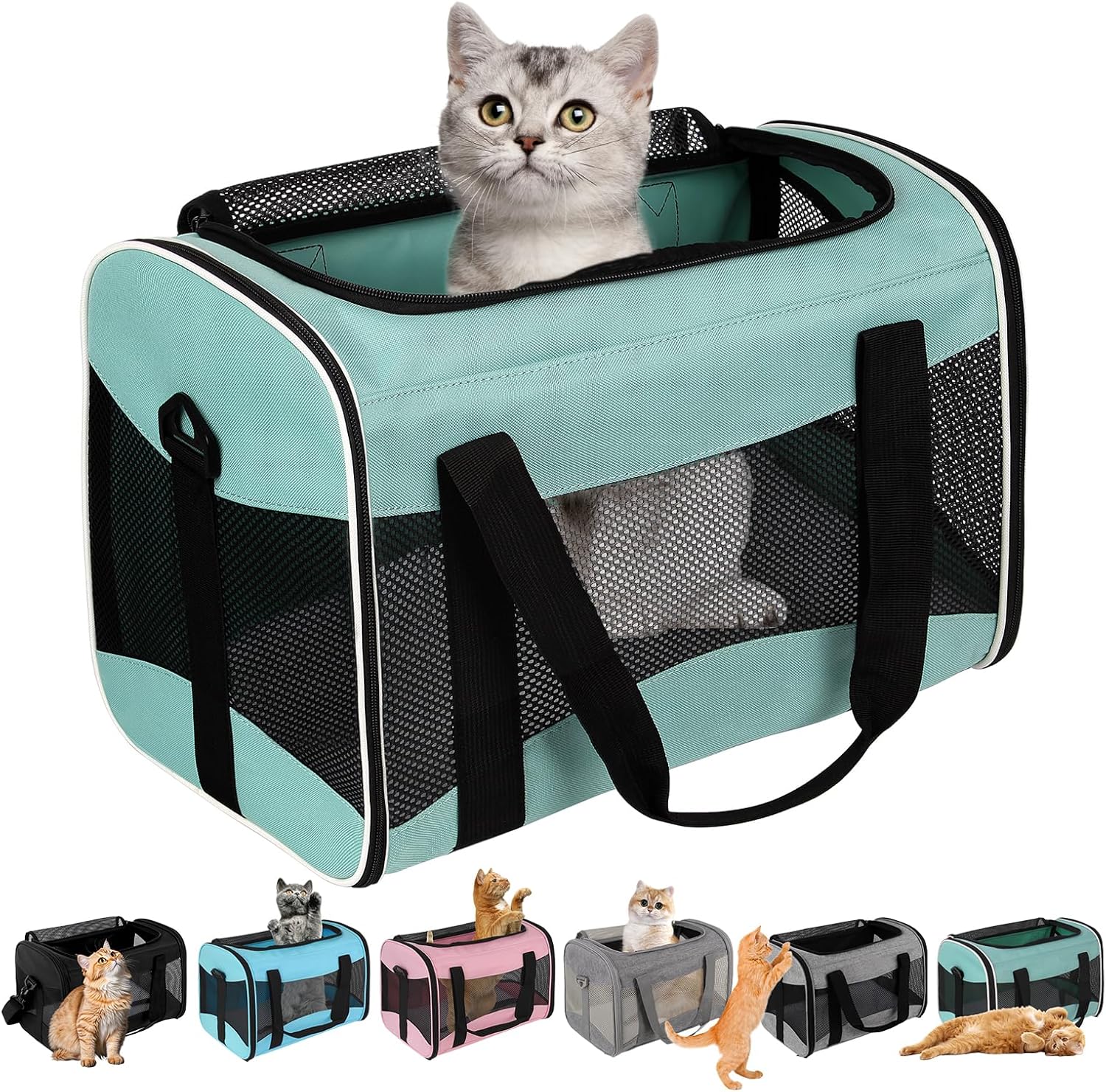
- A soft-sided carrier for smaller pets or short trips, if appropriate
- A hard-sided kennel for longer journeys or airline travel, if required
- A seat belt restraint or a carrier that can be secured in the car
Choose a carrier that gives your pet enough room to stand, turn around, and lie down comfortably. For car travel, secure the carrier with a seat belt or place it on the floor behind the front seats. Never let a pet ride loose in the front seat, and never leave a pet alone in a parked car, even for a few minutes. For more details on choosing the right carrier, see our guide to soft-sided pet carriers or our guide to hard-sided pet carriers and kennels.
Organizing the Travel Bag by Category
Once you have gathered everything, organize the bag so you can find items quickly. Use small pouches or zippered bags to group items by category, such as one pouch for grooming supplies, one for first aid, and one for food and treats. Label the pouches with a permanent marker or a luggage tag so you do not have to dig through everything at a rest stop.
Keep the most-used items near the top or in an outside pocket: waste bags, grooming wipes, and a travel bowl. Put documentation and medications in a secure inner pocket where they will not get lost. If you are packing for multiple pets, use separate pouches for each animal and write their names on the bags.
Consider a bag with multiple compartments or a simple tote with removable pouches. The goal is not a specific product but a system that works for you. You can also use a dedicated pet travel organizer if you prefer built-in compartments, or just repurpose pouches you already own.
What You Can Skip
Not every item on the list belongs in every bag. Skip the heavy grooming kit if you are only going overnight, and leave the large bed at home if you are staying somewhere that provides pet bedding. You do not need a full first aid kit for a short drive to the vet, but you should carry waste bags and water.
Also skip anything your pet has never used before, especially new calming products or unfamiliar toys. Introducing something new during travel can add stress rather than reduce it. If you want to try a new product, test it at home several times before the trip.
Finally, do not pack more food than you can reasonably use. Food takes up space and adds weight, and most destinations have pet supply stores if you run out. Pack enough for the trip plus a day or two of buffer, and no more.
Quick-Reference Table
| Category | Essential Items | Nice to Have |
|---|---|---|
| Food and treats | Regular food, treats, scoop | Puzzle toy, long-lasting chew |
| Bowls and water | Collapsible bowls, water bottle | Home tap water, towel |
| Leash and harness | Collar, harness, leash | Backup leash, hands-free leash |
| Identification | ID tag, vaccination records | Health certificate, photo |
| Medications | Prescriptions, dosing list | Supplements, thermometer |
| Waste and cleanup | Waste bags, paper towels | Enzymatic cleaner, gloves |
| Bedding | Familiar blanket | Travel bed, towel |
| Toys | Favorite toy | Puzzle toy, chew |
| Grooming | Wipes, brush | Shampoo, nail file |
| Carrier | Crate or carrier, restraint | Carrier liner, water bowl |
Use this table as a final check before you walk out the door. If you have the essentials in each category, you are ready for most trips. Add or remove items based on your destination and the length of your stay.
FAQ
How much food should I pack for my pet?
Pack enough for the entire trip plus one or two extra days in case of delays. Portion the food into individual bags or containers so feeding is easy and you do not overfeed. If you are unsure how much your pet eats per day, check the label on the food bag or ask your veterinarian.
What documents do I need to travel with my pet?
At minimum, carry a copy of your pet’s vaccination records, especially rabies. If you are crossing state or international borders, check the official requirements for your destination, which may include a health certificate issued by a veterinarian within a certain time before travel. Keep paper copies in your bag and digital copies on your phone.
Should I use a soft-sided or hard-sided carrier?
Soft-sided carriers are lighter and easier to fit under airplane seats, while hard-sided kennels offer more protection and are often required for airline cargo or longer journeys. Choose based on your pet’s size, your transportation method, and the rules of the airline or train. See our guides to soft-sided carriers and hard-sided kennels for more detail.
What should I do if my pet gets anxious during travel?
Start with familiar comforts like a blanket or toy from home, and keep your own behavior calm and reassuring. If anxiety is severe or lasts beyond the first few trips, talk to your veterinarian about safe options such as behavior modification or medication. Never give your pet human anxiety medication without veterinary guidance.
Can I leave my pet alone in a hotel room?
It depends on the hotel’s policy and your pet’s temperament. Some hotels allow pets to be left alone if they are crated and quiet. Check with the front desk first, and never leave a pet alone for long periods. For safety, keep your pet in a crate or carrier and leave a familiar blanket inside.
Packing for your pet does not have to be stressful. Work through the checklist once, organize your bag by category, and keep the quick-reference table handy. With food, water, identification, and comfort items in place, you can focus on enjoying the journey with your dog or cat. For more travel tips and gear ideas, browse our pet travel gear section.
About Claire Whitaker
Claire Whitaker is part of our editorial team and reviews and edits our everyday pet gear guides, checking product details against manufacturer specifications and owner feedback.