 By Claire Whitaker
Traveling with your dog in the car requires preparation to ensure both your safety and your pet’s comfort. An unrestrained dog can distract the driver or become a dangerous projectile during a sudden stop. This guide explains how to choose the right restraint, what to pack, and how to manage common challenges like motion sickness. Always start by checking your state’s laws regarding pets in vehicles, as some require specific restraints.
Why Safety Matters
An unsecured dog in a moving car poses risks to everyone. A dog that jumps into the front seat can interfere with the steering wheel or pedals. In a collision, an unrestrained pet can be thrown forward with great force, injuring themselves and passengers. Even a gentle stop can cause a dog to tumble. Beyond the physical danger, a loose dog can bolt when a door opens, leading to a lost pet or a road hazard. A few states have laws about restraining pets in vehicles or carrying dogs in open truck beds, and distracted-driving rules can apply too, so check your state rules.
The safest area for your dog is the back seat or the cargo area of an SUV or station wagon, as long as the space is properly secured. The front seat should be avoided because passenger airbags deploy with enough force to seriously hurt a dog, especially a small or medium-sized one. If you must transport a dog in the front seat of a vehicle with no rear seating, disable the passenger airbag first (check your owner’s manual) and move the seat as far back as possible.
Choosing the Right Restraint
There are three main types of restraints that can keep your dog safe inside the car. Each works best in a specific situation.
Secured Crate or Kennel
A travel crate provides the highest level of protection if it is properly anchored. Look for a crate that is marketed as crash-tested and meets voluntary safety standards. The crate must be large enough for your dog to stand, turn around, and lie down comfortably, but not so large that the dog slides around inside. Secure the crate using cargo tie-downs, seat belts, or the manufacturer’s mounting system. Place the crate in the back seat or cargo area and ensure it cannot shift during sudden turns or stops.
For more details on selecting a travel crate, see our guide on travel crates.
Crash-Tested Harness
A harness designed for car travel attaches to the vehicle’s seat belt latch or LATCH system. Only use a harness that has been certified through crash testing by a recognized independent body (look for clear certification claims on the packaging or product page). The harness should fit snugly around the dog’s chest and back, with a short tether that keeps the dog from moving into the front seat or out of a window. Never attach a harness to a collar or a leash; the tether must buckle directly into the car’s seat belt system.
Use the harness in the back seat only. A front seat harness is not safe with an active airbag. Many harnesses also work as walking harnesses, making them a convenient two-in-one option.
Pet Carrier for Small Dogs
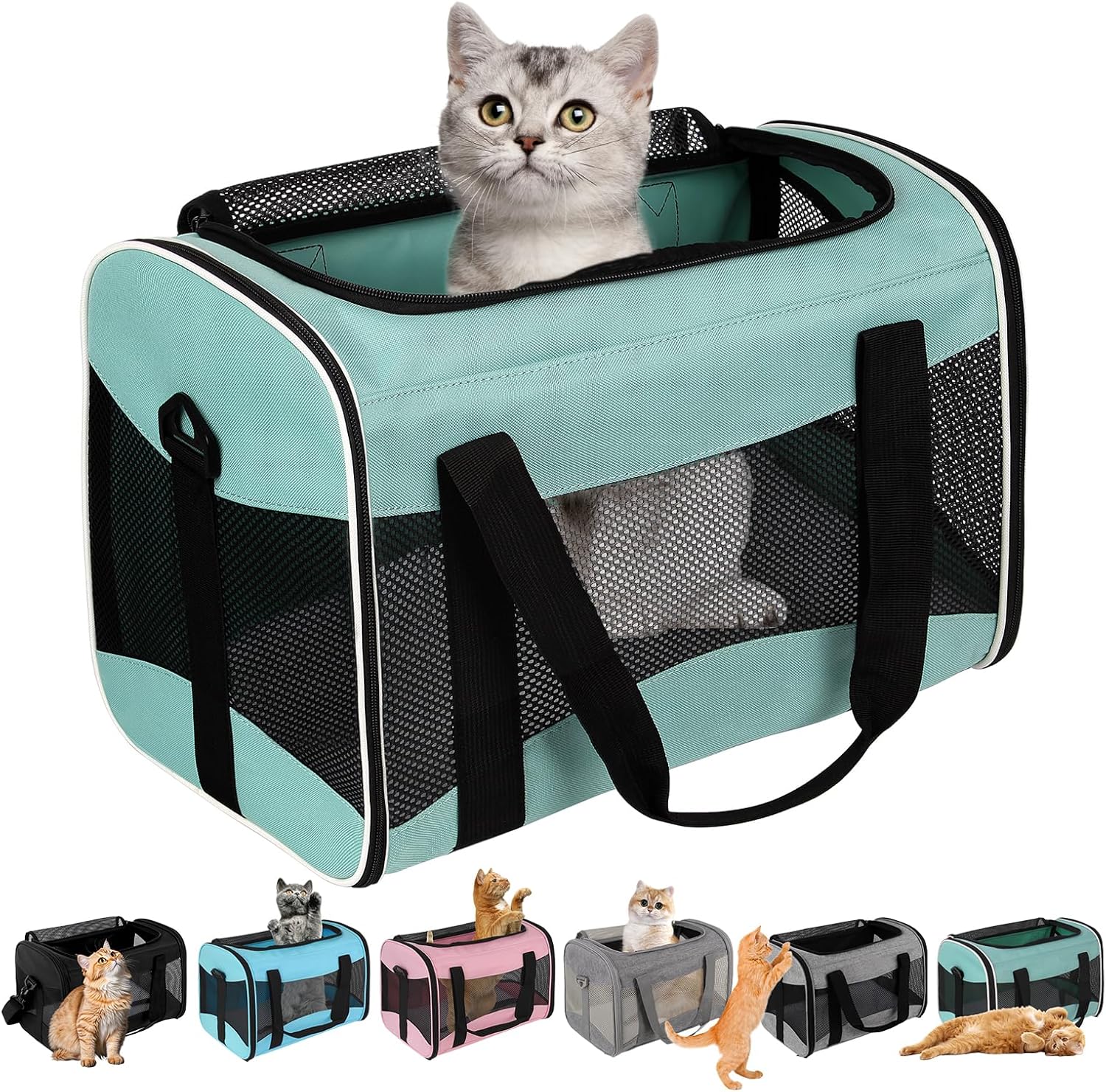
Small dogs and puppies often travel best in a soft-sided or hard-sided carrier that is secured with a seat belt. The carrier should be crash-tested where possible. Place the carrier on the back seat and thread the seat belt through the carrier’s built-in strap or handle. A carrier also provides a den-like safe space that can reduce anxiety for nervous travelers.
For tips on choosing a carrier, read our guide on hard-sided pet carriers and kennels.
What to Avoid
Do not use a standard collar and leash as a restraint — a leash can tangle or choke the dog in a crash. Seat belt adapters that clip to a harness are acceptable only if the harness itself is crash-tested. Car hammocks or seat covers that simply rest over the seats do not restrain a dog; they only protect the upholstery. To combine seat protection with safety, you can use a dog car seat cover or cargo liner in addition to a crate or harness.
Preparing for the Trip
Proper preparation reduces stress and ensures your dog stays hydrated, comfortable, and identifiable. Below are the essential steps to take before you head out.
Identification and Microchip
Make sure your dog wears a collar with an ID tag that includes your current phone number. Even if your pet is microchipped, a visible tag lets anyone who finds your dog contact you immediately. Check that the microchip registration is up to date with your address and a phone number you will have on your trip. Store a recent photo of your dog on your phone in case you need to make lost pet flyers.
Motion Sickness and Health
Some dogs get carsick, especially on winding roads. Signs include drooling, whining, lip licking, and vomiting. If you know your dog tends to get sick, talk to your veterinarian before the trip. They may recommend a medication or a calming supplement. Never give your dog human motion sickness drugs without veterinary approval, as some are toxic. Feed your dog a light meal a few hours before departure and avoid giving water right before the drive.
For persistent motion sickness, a veterinarian can suggest desensitization techniques or anti-nausea medication tailored to your pet’s size and health.
Breaks and Hydration
Plan to stop every few hours, depending on your dog’s age and health. At each rest stop, offer water from a portable bowl and allow your dog to walk and relieve themselves. Use a leash every time you open the car door — unfamiliar rest areas can be disorienting. Never let your dog drink from puddles or unknown water sources.
Packing List
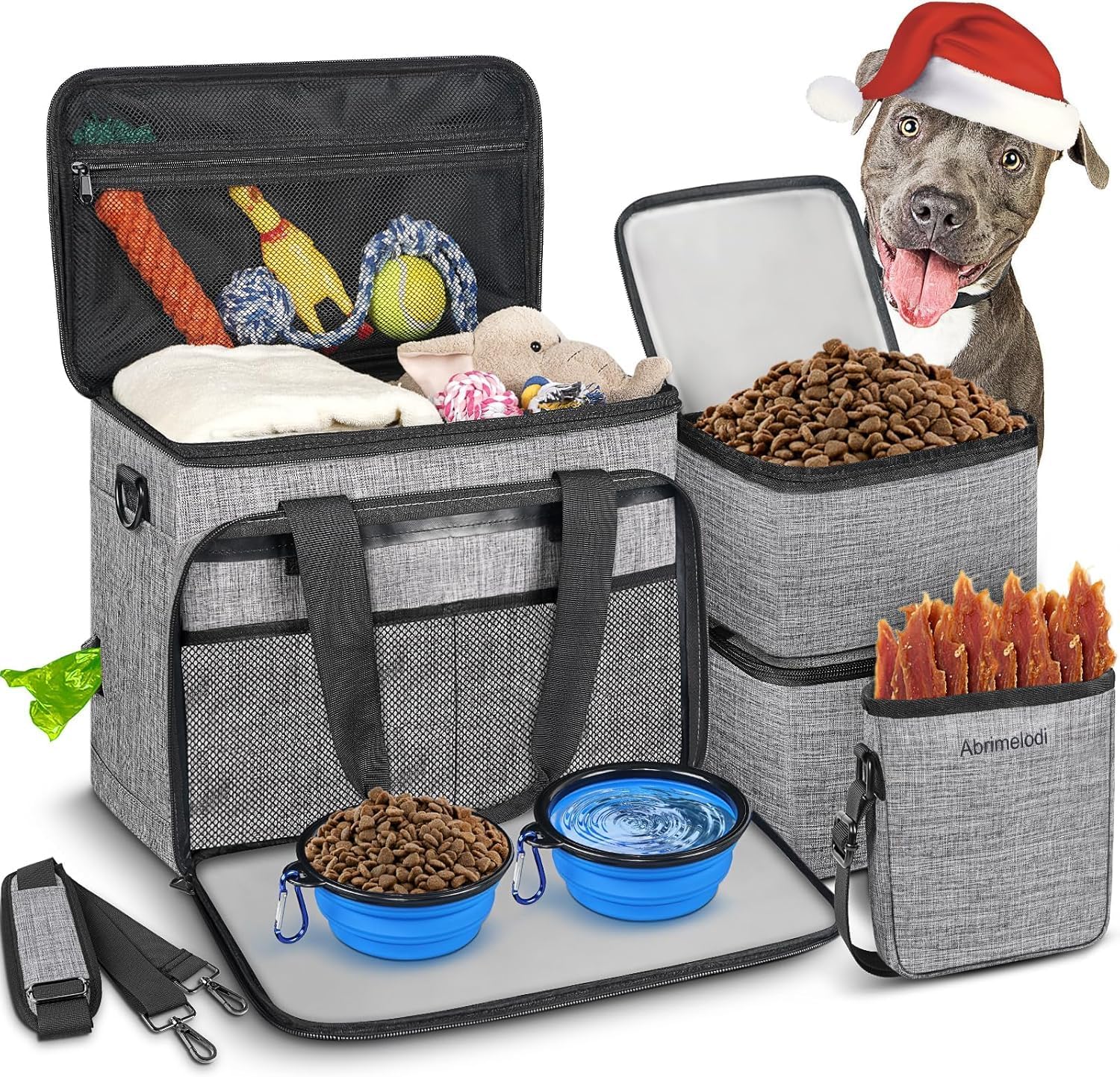
Bring a travel kit that includes:
- Portable water bowl and a bottle of fresh water
- Your dog’s regular food and a small bowl (if you are making meal stops)
- Leash, collar with ID, and a spare leash
- Poop bags and a small scoop or trowel
- A pet first aid kit (ask your vet for recommendations)
- A blanket or towel for comfort and to wipe muddy paws
- Your dog’s favorite toys or a chew to keep them occupied
- Any medications your dog takes, plus a copy of vaccination records
- A printed list of emergency veterinary clinics along your route
Checklist for a Safe Car Trip
Use this table to confirm you have everything ready before you drive off.
| Item | Notes |
|---|---|
| Crate or crash-tested harness | Secured in back seat or cargo area; never front seat. |
| Seat belt or tether (if not built into crate) | Ensures the restraint cannot shift. |
| ID tag with current phone number | Attached to a well-fitting collar. |
| Microchip registered and up to date | Verify with your microchip company before travel. |
| Water and portable bowl | Offer at every rest stop. |
| Dog food and bowl (if a meal stop is needed) | Pack enough for the entire trip plus extra. |
| Leash and spare leash | Always use a leash outside the car. |
| Poop bags | Clean up after your dog at rest areas. |
| First aid kit for dogs | Include bandages, antiseptic wipes, and your vet’s number. |
| Comfort items (blanket, toy) | Familiar scents reduce anxiety. |
| Medications and vaccination records | Keep in your glove compartment or bag. |
| List of emergency vets along route | Search ahead of time and save phone numbers. |
Common Mistakes to Avoid
Even experienced pet owners can make errors that put dogs at risk. Watch out for these pitfalls.
Leaving Your Dog Alone in a Parked Car
Never leave a dog alone in a parked vehicle, even for a few minutes. On a mild day, the temperature inside a car can rise quickly to dangerous levels. Cracking a window does not prevent heatstroke. In cold weather, a car can also become dangerously cold. If you cannot take your dog with you, leave them at home or find pet-friendly accommodations that allow you to bring them inside.
Allowing the Dog to Stick Their Head Out the Window
Many dogs love sticking their head out the window, but it is risky. Debris or insects can strike their eyes, nose, or mouth and cause injury. A sudden stop or another vehicle passing too close can harm your dog’s neck. Additionally, a dog may lunge out of the window if they see a squirrel or another dog. Keep windows closed enough that your dog cannot fit their head through, or use a window mesh guard.
Using an Unsecured Carrier in the Front Seat
A carrier placed on the passenger seat without being strapped in will become a projectile in a crash. Always thread the seat belt through the carrier’s handle or harness. If the passenger seat airbag is active, the carrier must be in the back seat.
Skipping Breaks on Long Drives
Dogs need to stretch their legs and relieve themselves just like people. Without stops, they may become restless, anxious, or uncomfortable, which can lead to motion sickness or accidents in the car. Plan a break every two to three hours, or more often for puppies and senior dogs.
Troubleshooting
Even with careful planning, you may encounter common issues. Here is how to handle them calmly.
Dog Gets Carsick
If your dog drools or vomits, pull over safely. Offer small amounts of water and let the dog walk for a few minutes. For future trips, ask your veterinarian about anti-nausea medication or a motion sickness garment such as a calming wrap or a product that applies gentle pressure. Keep the car well ventilated and avoid feeding your dog a full meal right before departure.
Dog Is Anxious About the Car
Some dogs associate the car with trips to the vet or unfamiliar places. Make the car a positive place by feeding treats or a meal inside the parked car (engine off). Take short, fun drives to a park or a drive-through for a treat, then gradually extend the distance. A comfortable crate or carrier can also provide a sense of security.
Dog Whines or Barks During the Drive
Whining may signal the need for a potty break, discomfort, or simply boredom. Try a calming chew toy or a puzzle feeder that attaches to the crate. If the behavior persists, check that the restraint is comfortable and not too tight, and that the temperature in the car is pleasant. If nothing helps, a veterinarian can advise on anxiety management strategies.
Dog Needs a Potty Break at an Inconvenient Time
Always stop at the next safe exit. Do not let your dog relieve themselves on the side of a highway — wait for a rest area or a gas station. Keep a supply of poop bags in the car and carry a small bottle of water to rinse any mess from your dog’s paws before re-entering the vehicle.
FAQ
Is it safe to let my dog ride loose in the back of an SUV?
No. A loose dog in the cargo area can be thrown around in a crash or jump forward into the passenger compartment. Use a secured crate or a crash-tested harness attached to a cargo-area tie-down. For SUV cargo areas, a cargo liner can protect the interior, but it must be used with a restraint.
What should I do if my dog has never been in a car before?
Start with short, positive trips around the block. Place a familiar blanket in the crate or carrier and give treats during the ride. Gradually lengthen the drives as your dog becomes comfortable. Always end the trip on a happy note, such as a walk or playtime.
How often should I stop on a road trip with my dog?
Stop at least every two to three hours for a water break and a short walk. Puppies and older dogs may need more frequent stops. Let your dog relieve themselves and stretch their legs before continuing.
Can I give my dog motion sickness medicine from a human pharmacy?
No. Human motion sickness drugs can be dangerous for dogs. Some contain ingredients that are toxic or can cause severe side effects. Always consult your veterinarian for a safe and appropriate medication or treatment plan for motion sickness.
Taking the time to properly restrain your dog, prepare a travel kit, and plan for breaks makes car travel safer and more enjoyable for both of you. Check your state’s laws on pet restraints before you drive, and always prioritize your dog’s comfort and safety. With the right gear and a little patience, you can hit the road with confidence.
About Claire Whitaker
Claire Whitaker is part of our editorial team and reviews and edits our everyday pet gear guides, checking product details against manufacturer specifications and owner feedback.