 By Claire Whitaker
Choosing a dog travel crate for your car means getting the size right and knowing what crash-tested claims really mean. A crate that is too small is uncomfortable, while one that is too large can allow your dog to slide around during a sudden stop. This guide covers how to measure your dog for a proper fit, the differences between plastic, aluminum, and soft crates, how to secure the crate in the cargo area, and how to evaluate marketing claims about crash testing. Always prioritize ventilation and never leave your pet in a parked car.
Sizing Your Dog for a Travel Crate
The most important step is measuring your dog accurately. A properly sized crate lets your dog stand up, turn around, and lie down comfortably. For car travel, also make sure your dog can sit upright without hitting the top of the crate.
How to Measure
- Height: Measure from the floor to the top of your dog’s head when standing. Add a few inches for headroom so your dog can sit without touching the ceiling.
- Length: Measure from the tip of the nose to the base of the tail. Add a few inches so your dog can stretch out fully when lying down.
- Width: Measure the widest part of your dog’s body (usually the chest or hips). Add enough room for your dog to turn around easily.
Use these measurements to compare against the interior dimensions listed for any crate you consider. A common rule of thumb is to add two to four inches to each measurement for comfort, but always check the crate’s interior length, width, and height.
Reference Table: Measurement Points
| Measurement | How to Measure | What to Look For |
|---|---|---|
| Height | Floor to top of standing dog’s head | Crate interior height allows sitting upright without touching the top |
| Length | Nose tip to base of tail | Crate interior length allows lying down with legs extended |
| Width | Widest part of chest or hips | Crate interior width allows turning around without squeezing |
Plastic, Aluminum, and Soft Crates
The material of the crate affects safety, durability, and suitability for car travel.
Plastic Crates
Plastic crates are lightweight and common for airline travel, but not all are designed for car crash protection. Many plastic crates have ventilation slots on the sides and a wire door. They can be a good choice for calm dogs on short trips, but check whether the model has been independently crash-tested. Plastic can crack under impact, so look for reinforced corners and robust latches.
Aluminum Crates
Aluminum crates are heavier and more expensive, but they are often the strongest option. Aluminum crates are often chosen by people who travel with dogs frequently because they are rigid and durable. Some aluminum crates are designed with built-in anchor points and have been tested by independent organizations. They usually offer good ventilation and are easier to clean. The trade-off is weight and cost.
Soft Crates
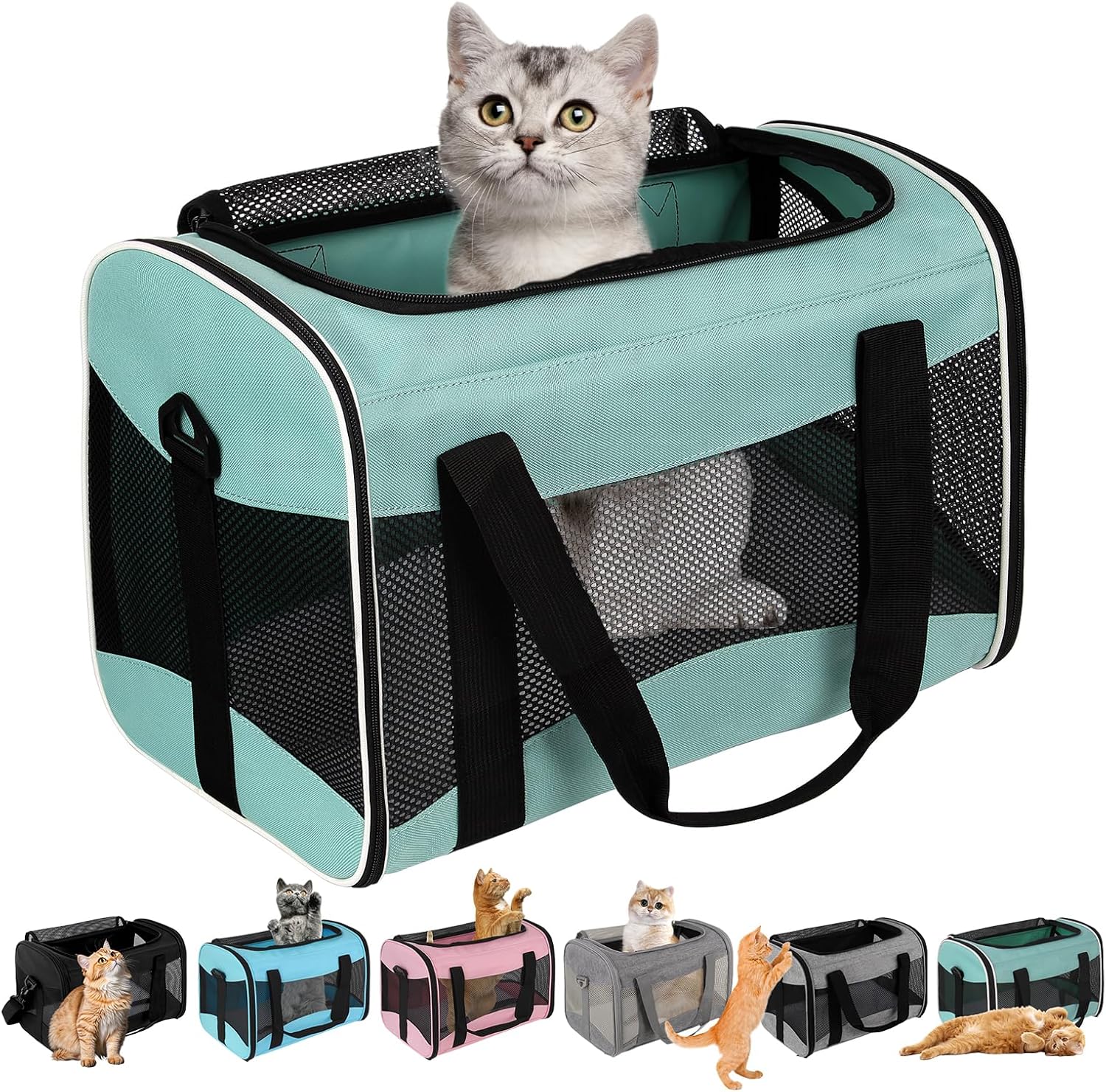
Soft-sided crates are not recommended for car travel as a primary safety device. They collapse on impact and provide little protection in a crash. Some soft carriers are marketed as crash-tested, but you should verify the testing details carefully. Soft crates can be useful for calm transport in a vehicle where the crate is not the main restraint, such as short trips with a harness system, but they are not a substitute for a rigid crate.
Understanding Crash-Tested Claims
Many crate manufacturers claim their products are crash-tested, but the meaning varies widely. Independent testing, such as that conducted by the Center for Pet Safety (CPS), provides reliable information. CPS tests crates using standardized protocols with crash test dummies representing different dog sizes. When a crate passes CPS testing, it means it performed well under specific conditions.
Marketing claims may say “tested” without specifying who did the testing or what criteria were used. Some manufacturers perform their own internal tests, which may not match independent standards. To evaluate a claim, ask for details: What speed was the test conducted at? What size dog dummy was used? Was the crate secured using the vehicle’s anchor points or with straps? Was the test performed by an independent lab? A crate that is certified by CPS or a similar third party gives you more confidence.
Remember that even a crash-tested crate must be installed correctly. Follow the manufacturer’s instructions for anchoring the crate to the vehicle. Using the wrong straps or not securing the crate properly can reduce its effectiveness.
Securing the Crate in the Cargo Area
Placing a crate loose in the cargo area is dangerous. In a sudden stop or crash, an unsecured crate can become a projectile. Use the vehicle’s built-in tie-down points or anchor rings to secure the crate. Many crates have slots or brackets for straps. Use heavy-duty straps or ratchet straps that are rated for the weight of the crate and your dog. Avoid using bungee cords, as they can stretch and release.
Position the crate so it is against the back of the rear seat or against a cargo barrier. If your vehicle has a cargo net, use it to prevent items from sliding into the crate area. Never place heavy luggage on top of the crate during travel. For more information on traveling with your pet, see our Pet Travel Gear guide.
Ventilation and Heat Considerations
Good airflow is essential for your dog’s comfort and safety. Choose a crate with ventilation openings on at least two sides. Avoid covering the crate with blankets or gear that block airflow. In warm weather, park in the shade and use sunshades on windows. Never leave your dog in a parked car, even with the windows cracked or the crate in the shade. The temperature inside a car can rise quickly to dangerous levels, causing heatstroke. If you must stop, take your dog with you or plan breaks where the car is not left unattended.
Some crates come with built-in fans or cooling features, but these are not a substitute for avoiding a parked car altogether. Always prioritize keeping your dog cool and well-ventilated during travel.
Common Sizing Mistakes and How to Avoid Them
- Buying a crate that is too large: A crate that is too big allows your dog to slide around during turns or stops, increasing the risk of injury. Stick to the measurements that allow comfortable standing and turning, not extra space.
- Buying a crate that is too small: A cramped crate prevents your dog from lying down or turning, causing stress and discomfort. Your dog should be able to sit upright and stretch out.
- Not accounting for growth: If you have a puppy, measure the expected adult size or choose a crate with a divider panel that can be adjusted as your dog grows.
- Measuring incorrectly: Measure your dog while standing on a flat surface, not while lying down. Use a tape measure and double-check each measurement.
- Ignoring interior vs. exterior dimensions: The interior space is what matters for your dog’s comfort. Compare your dog’s measurements to the crate’s interior length, width, and height, not the exterior size.
FAQ
How do I measure my dog for a car crate?
Measure height from floor to top of head when standing, length from nose tip to base of tail, and width across the chest or hips. Add a few inches to each for comfort. Compare these numbers to the crate’s interior dimensions.
Are soft crates safe for car travel?
Soft crates are not recommended as a primary safety device in a car. They collapse on impact and offer little protection. If you use a soft crate, combine it with a crash-tested harness and never rely on it alone. For more information, see our Soft-Sided Pet Carriers guide.
What does crash-tested mean?
Crash-tested means the crate has been subjected to a simulated crash, but the testing standards vary. Look for independent testing by organizations like the Center for Pet Safety (CPS) and ask for details about the test speed, dog size, and installation method used.
Can I leave my dog in a crate in a parked car?
No. Never leave your dog in a parked car, even with the windows open or the crate in the shade. Temperatures inside a car can become dangerously high in minutes, leading to heatstroke or death. Always take your dog with you or plan your trip to avoid leaving the car unattended.
Choosing the right crate for your dog’s car travel involves careful sizing, understanding crash-test claims, and proper installation. Prioritize a rigid crate that fits your dog well, secure it correctly in the cargo area, and never leave your pet in a parked car. For more details on travel crates, visit our Travel Crates page.
About Claire Whitaker
Claire Whitaker is part of our editorial team and reviews and edits our everyday pet gear guides, checking product details against manufacturer specifications and owner feedback.