By Claire Whitaker
Updated November 2026
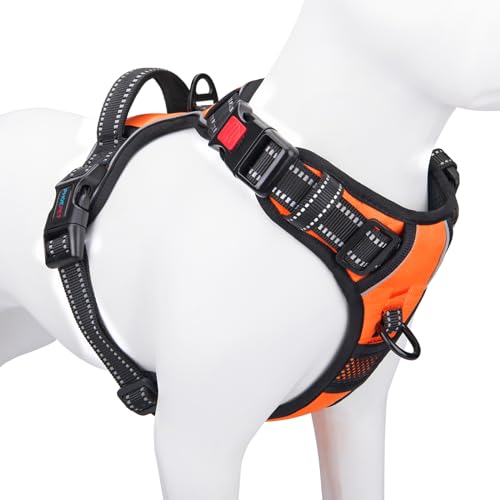
An easy walker dog harness is a front-clip harness designed to steer your dog gently when it pulls. This guide walks you through choosing the right size, fitting it correctly and avoiding the mistakes that make pulling worse. By the end, you will have a harness that fits securely and helps your dog walk with less tension on the leash.
Step 1: Measure Your Dog Correctly
Most manufacturers size harnesses by chest girth, measured around the widest part of the ribcage just behind the front legs. Use a soft tape measure and keep it snug but not tight. Next, check the manufacturer’s size chart and note whether it lists weight ranges too. Chest measurements matter more, because two dogs of the same weight can have very different builds.
Shopping for one? See our guide: Buddy Belts Dog Harness vs Standard Step-In Harness: Which Should You Choose?.
Step 2: Check the Fit Before Your First Walk
A well-fitted easy walker dog harness should feel secure without restricting movement. Use the following checks:
- You should fit two fingers flat under each strap.
- The chest plate should sit centered on the breastbone, not up near the throat.
- The leash ring should sit high on the chest, between the shoulder blades.
- Your dog should be able to sit, lie down and trot without the straps shifting.
Step 3: Introduce the Harness Gradually
Many dogs resist a new harness at first. Let your dog sniff it, then reward calm behavior with small treats. Put it on for a few minutes indoors, then extend the time over several days. Only move to outdoor walks once your dog stops fighting it or freezing in place.
Watch for Signs of Discomfort
Stop using the harness and recheck the fit if you notice rubbing, flattened fur under the straps, or your dog repeatedly scratching or backing away. If problems continue, ask your veterinarian or a certified trainer for guidance, especially if your dog has a neck, shoulder or back condition.
Step 4: Use the Harness with Good Leash Habits
A front clip gives you steering control, but it works best alongside consistent habits. Keep the leash loose, change direction when your dog pulls, and reward moments when the leash stays slack. Short, frequent walks tend to build better habits than long sessions where frustration builds up.
Common Mistakes to Avoid
- Buying by weight alone and skipping the chest measurement.
- Tightening straps so much that your dog cannot breathe comfortably or move its legs freely.
- Clipping the leash to the back ring on a front-clip design, which reduces steering.
- Leaving the harness on for long periods without checking for chafing.
- Expecting instant results and switching harnesses too often.
Recommended Gear
If you are comparing options, look at the official site for the latest sizing and materials. For a front-clip design, search for the PetSafe Easy Walk Harness to see sizing options and reviews from other owners: View on Amazon. A soft, padded leash helps reduce hand fatigue on longer walks: View on Amazon. A simple tape measure makes chest sizing easier to get right at home: View on Amazon.
For more background on how harness types differ, see How to Choose and Fit a Dog Harness and Front-Clip vs Back-Clip Dog Harness: Which One Is Better?. If you are still deciding between styles, Easy Walk Dog Harness: How to Pick and Fit One for Calm Walks covers fit details in more depth. Owners of smaller dogs may also find 3 Best Puppy Harness for Small Dogs (2026) useful.
FAQ
Will an easy walker dog harness stop my dog from pulling completely?
No harness stops pulling entirely. A front-clip design reduces pulling by turning your dog gently when tension builds, but consistent training is still needed for lasting change.
How do I know if the harness is too tight?
You should fit two fingers flat under each strap. If you cannot, or if your dog shows rubbing, limping or breathing difficulty, loosen the straps and recheck the fit. Consult your veterinarian if concerns continue.
Can I use an easy walker dog harness for puppies?
Many brands offer sizes for puppies, but growing dogs need frequent fit checks. Confirm the size range on the manufacturer’s chart and ask your veterinarian about appropriate walking gear for your puppy’s age and build.
Conclusion
Measuring by chest girth, checking the fit with the two-finger test and introducing the harness gradually will get you most of the way. Pair it with short, consistent walks and loose-leash habits for the best results. Revisit the fit every few weeks, since coats, weight and growth all change over time.
Ready to choose one?
About Claire Whitaker
Claire Whitaker is part of our editorial team and reviews and edits our everyday pet gear guides, checking product details against manufacturer specifications and owner feedback.