 By Ethan Brooks
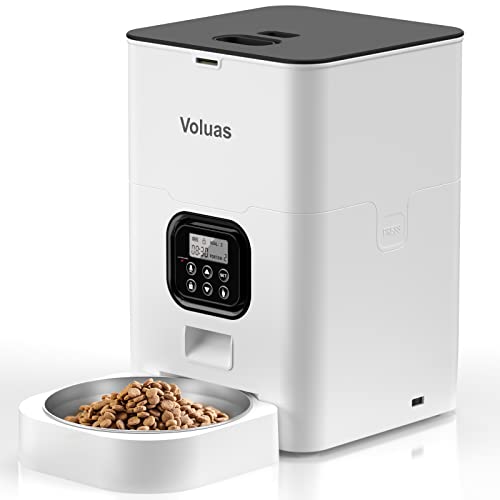
An iseebiz 3L automatic pet feeder is a common starting point for owners who want scheduled meals without being home at every feeding time. The 3-liter (roughly 12-cup) hopper suits a single cat or small dog for several days, and the appeal lies in timed portions, a simple display and a bowl that can be cleaned without tools. This guide compares seven feeders in the same general category so you can match a model to your pet’s routine, your home layout and how much control you want over portions. Selection criteria included published specifications, brand reputation, the kinds of feedback owners commonly report about jam issues, power backup and portion accuracy, and how easy each model is to clean. We did not run these units ourselves; everything below is drawn from manufacturer specifications and recurring owner feedback patterns.
Our Top Picks
Quick Comparison
| Product | Best for | Key feature |
|---|---|---|
| PETLIBRO Granary Feeder | Cats and small dogs on a daily schedule | Large dry-food hopper with programmable meal times |
| PetSafe Smart Feed 2.0 | Owners who want app-based control | Wi-Fi scheduling and portion tracking |
| Petmate Pet Feeder Tall Hopper | Multi-pet homes with mixed feeding needs | Multiple daily meal slots |
| Wopet Smart Feeder | Owners wanting a compact, simple timer | Compact footprint with timed dispensing |
| Petlibro Air Dual-Power Feeder | Homes with occasional power outages | Battery backup to keep schedules running |
| Pawise Automatic Pet Feeder | Budget-conscious owners with one pet | Straightforward programming with an easy-clean bowl |
| Meowant Automatic Pet Feeder | Cat owners needing small, frequent portions | Small-portion dispensing for multiple daily meals |
PETLIBRO Granary Feeder
This is a good match for owners who want a large dry-food capacity and a straightforward daily meal schedule for a cat or small dog. Its wide hopper suits pets that eat a steady amount each day.
Key specs
- Large dry-food hopper, roughly in the 4-liter class per manufacturer listings
- Programmable meal times with portion settings
- Stainless steel bowl and removable hopper for cleaning
- Requires a power adapter; battery backup varies by version
Pros
- Generous capacity reduces how often you refill
- Scheduling interface is comparatively simple to set
- Stainless bowl is easier to keep clean than plastic
Cons
- Owners often report that larger kibbles can occasionally jam the auger
- Footprint is wide, which can be a problem on narrow counters
PetSafe Smart Feed 2.0
Best for owners who want to adjust portions and schedules from a phone while away from home. It suits households where more than one person needs to manage feeding.
Key specs
- Wi-Fi connectivity with companion app
- Scheduled meals with portion-size control
- Requires a stable home Wi-Fi network for remote features
- Powered by AC adapter with backup batteries in many configurations
Pros
- Remote schedule changes without walking to the unit
- Feeding history helps track how much your pet eats
- Works well alongside the brand’s other smart accessories
Cons
- Connectivity can drop on weak Wi-Fi, so check signal strength first
- App-dependent features add a setup step some owners find fussy
Petmate Pet Feeder Tall Hopper
This model fits households with more than one pet or pets with different portion needs. Multiple daily meal slots give more flexibility than a single-meal timer.
Key specs
- Tall hopper design for dry food storage
- Multiple programmable meal times per day
- Plastic construction with a removable food tray
- Powered by adapter, with battery backup on select versions
Pros
- Several meal slots suit split-feeding schedules
- Tall shape keeps the footprint narrow
- Parts are straightforward to remove for washing
Cons
- Plastic components may show wear over time, according to some owner reports
- Limited portion precision compared with higher-end programmable units
Wopet Smart Feeder
A compact option for owners who want timed dispensing without a lot of extra features. It fits well on a kitchen counter or in a small apartment.
Key specs
- Compact body with a single hopper
- Timed meal dispensing with adjustable portions
- Removable bowl and hopper for cleaning
- Adapter-powered with optional battery support depending on model
Pros
- Small footprint suits limited counter space
- Programming is generally quick to learn
- Easy to move between rooms
Cons
- Smaller hopper means more frequent refilling for larger pets
- Owners sometimes mention that programming buttons are small and fiddly
Petlibro Air Dual-Power Feeder
Well suited to homes where a power outage could cause a missed meal. Battery backup keeps the schedule running when the adapter is unplugged or the power drops.
Key specs
- Battery backup to maintain meal schedules during outages
- Programmable portions and meal times
- Dual-power design: adapter plus battery
- Check manufacturer listing for battery type and runtime
Pros
- Backup power reduces the risk of a missed meal
- Scheduling remains reliable during brief outages
- Good choice for owners who travel for short periods
Cons
- Battery runtime is limited, so it does not replace a long-term power source
- Battery compartment may need periodic checking, as with any battery device
Pawise Automatic Pet Feeder
A practical pick for owners with one pet who want reliable timed meals without advanced features. It is a sensible default for first-time automatic feeder buyers.
Key specs
- Single hopper with timed portion dispensing
- Simple button-based programming
- Removable bowl for cleaning
- Adapter-powered; verify battery options before purchase
Pros
- Straightforward controls with minimal setup
- Easy-clean bowl design
- Suitable for a budget-conscious owner with a single pet
Cons
- Fewer advanced options such as app control or multi-meal flexibility
- Owners sometimes report that the hopper lid seal can loosen with use
Meowant Automatic Pet Feeder
Designed around the feeding needs of cats, especially those that do better with several small meals across the day rather than two large ones.
Key specs
- Small-portion dispensing suited to frequent meals
- Multiple programmable meal slots
- Compact build for countertops and shelves
- Adapter-powered; check battery backup availability
Pros
- Good fit for cats on multiple daily meals
- Compact size for small spaces
- Portion control helps with weight management routines
Cons
- Small capacity means more frequent refills
- Not ideal for large dogs or high-volume feeding
Buying Guide
Selection criteria
Compare feeders on four things: hopper capacity relative to your pet’s daily intake, the number of meal slots, power backup, and how easily the bowl and hopper come apart for cleaning. Brand reputation and consistent owner feedback about jams and programming errors matter as much as any single spec sheet number.
Important features
- Capacity: A 3-liter hopper is roughly 12 cups, which covers a single cat or small dog for several days depending on kibble density.
- Meal slots: Two to four daily slots work for most households; more slots help cats that eat small amounts often.
- Power backup: Battery or rechargeable backup keeps meal times on schedule during outages.
- Connectivity: Wi-Fi models let you change schedules remotely but need a reliable home network.
- Jam prevention: Look for designs that mention auger or anti-clog features, especially if you feed larger kibble.
Specs to check
- Hopper capacity in liters or cups
- Maximum portion size per dispense and smallest increment
- Battery type and runtime listed by the manufacturer
- Bowl material (stainless steel is generally easier to sanitize than plastic)
- Compatible kibble size range
Choosing by need
Single cat, many small meals: Prioritize a multi-slot model with small portion increments, such as the Meowant Automatic Pet Feeder.
Frequent travel or outages: Choose a battery-backed model like the Petlibro Air Dual-Power Feeder.
Owner who wants remote control: The PetSafe Smart Feed 2.0 offers app-based scheduling, provided your Wi-Fi is solid.
Multiple pets or long feeding windows: The Petmate Pet Feeder Tall Hopper gives you more slots and a narrow footprint.
Things to watch out for
- Moisture and humidity can cause kibble to clump or stick in the hopper; keep the unit in a dry spot.
- Test the feeder with your actual food before leaving home for a long period.
- Clean the bowl and hopper regularly to prevent residue buildup, which can affect dispensing.
- Never rely on a feeder as a substitute for a pet’s medical feeding plan; consult your veterinarian for diet-specific needs.
For setup and troubleshooting steps, see Wopet Automatic Pet Feeder Setup: 7 Best Picks Compared (2026) and How to Evaluate Automatic Feeders and Pet Fountains. If you are weighing portion precision, Voluas Automatic Pet Feeder Portion Size Chart: How to Set Portions (2026) explains common approaches.
FAQ
How much food does a 3L automatic feeder hold?
A 3-liter hopper is roughly 12 cups by volume. Actual days of supply depend on your pet’s daily intake and the kibble’s density, so divide the hopper’s volume by your pet’s daily portion to estimate.
Will an automatic feeder work for both cats and dogs?
Many models suit either species, but portion sizes and kibble size matter. Larger dog kibble can jam some augers, so check the manufacturer’s compatible kibble list.
What happens if the power goes out?
Without battery backup, scheduled meals will not dispense during an outage. Battery-backed models keep the clock running, though runtime is limited, so check the manufacturer’s stated battery life.
Can I feed wet food in an automatic feeder?
Most automatic feeders are designed for dry kibble. Wet food can spoil quickly and clog the mechanism, so use wet food only if the manufacturer explicitly allows it.
How often should I clean the feeder?
Wash the bowl and hopper at least once a week, and dry them fully before refilling. Residue and moisture are the most common causes of dispensing problems.
Do smart feeders need a constant internet connection?
Scheduled feeding usually works offline after setup, but remote changes, alerts and feeding logs require a working Wi-Fi connection. Confirm which features depend on the network before buying.
Is an automatic feeder a replacement for a veterinarian’s feeding plan?
No. An automatic feeder only dispenses what you program. Pets with medical conditions or special diets should have portions and schedules set with your veterinarian.
Conclusion
An iseebiz 3L automatic pet feeder sits in a crowded category, and the right choice depends on your routine more than on any single feature. For a single cat that eats small, frequent meals, the Meowant Automatic Pet Feeder is a sensible fit. Owners who travel or live where outages happen should look at the Petlibro Air Dual-Power Feeder. If you want remote control from your phone, the PetSafe Smart Feed 2.0 is the most direct option, provided your Wi-Fi is reliable. Households with several pets or split meal times will get the most from the Petmate Pet Feeder Tall Hopper, while the Pawise Automatic Pet Feeder and Wopet Smart Feeder cover simpler, lower-complexity needs. Whichever you choose, measure your pet’s daily portion, confirm your kibble size is supported, and run a test cycle before relying on the schedule.
About Ethan Brooks
Ethan Brooks is part of our editorial team and reviews and edits our everyday pet gear guides, checking product details against manufacturer specifications and owner feedback.