 By Ethan Brooks
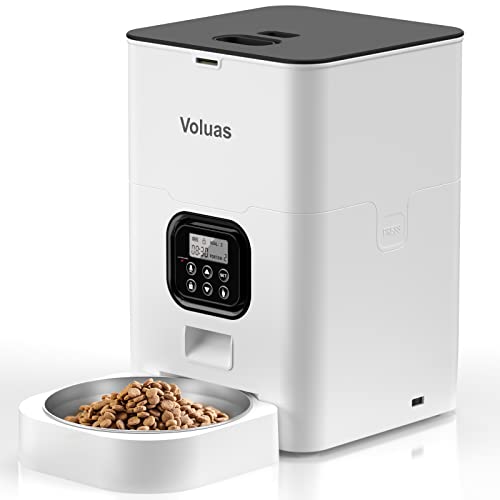
The petsafe smart feed automatic pet feeder is a bowl-style, timer-driven dry food dispenser built for owners who want scheduled meals without being home at mealtime. It suits people with one or two cats or small-to-medium dogs, households with predictable routines, and anyone who wants a basic, app-free feeder that handles portions reliably. It is less suited to multi-pet homes that need separate portions for several animals, owners of large dogs who eat big volumes, or anyone who wants camera monitoring, wet food support, or Wi-Fi scheduling. This review is research-based: it draws on manufacturer specifications and patterns that owners commonly describe, not on hands-on testing by our team.
Product Overview
PetSafe is a well-known pet products brand, and its automatic feeders are among the most widely sold models in the category. The Smart Feed line is positioned as a straightforward dry food feeder: you fill a food reservoir, program meal times, and the unit dispenses set portions into a bowl. The design emphasizes a sealed food compartment and a simple, mostly button-driven interface rather than a connected app. That makes it a different proposition from Wi-Fi feeders that send alerts to your phone.
Because the core job is portion control on a schedule, the question to ask is not whether it has novelty features but whether it reliably delivers the same amount of kibble at the same time every day. Feeders that do this well tend to earn a place in a daily routine. Before deciding, it helps to understand how automatic feeders are generally evaluated; our guide to How to Evaluate Automatic Feeders and Pet Fountains covers the criteria worth checking, from portion accuracy to food-hopper sealing.
Key Features & Specifications
The table below lists the characteristics the manufacturer publishes and that are consistent across the product line. Confirm the exact dimensions and capacity on the current listing before buying, since model revisions can change them.
| Feature | What it means for you |
|---|---|
| Feeder type | Gravity-style dry food dispenser with a timed, scheduled release |
| Food type | Dry kibble only; not designed for wet food |
| Meal scheduling | Programmable meal times set through the control panel |
| Portion control | Adjustable portion settings per meal |
| Food container | Sealed reservoir to help keep kibble fresh between meals |
| Power | Mains-powered with battery backup intended to keep schedules running during brief outages |
| Connectivity | No app or Wi-Fi control; operated directly on the unit |
| Best suited for | Cats and small to medium dogs on a fixed feeding routine |
Check the manufacturer’s listed capacity and battery backup duration before purchase, as these vary between versions and directly affect how many days of meals one fill covers.
Pros & Cons
Pros
- Simple, app-free operation that many owners find easier to program than Wi-Fi feeders.
- Sealed food reservoir helps limit moisture and pests between meals.
- Battery backup is intended to keep scheduled meals on time during short power interruptions.
- Adjustable portions suit cats and small dogs that need measured amounts.
- Widely available, with a large owner base that makes troubleshooting information easy to find.
Cons
- No app or remote monitoring, so you cannot check whether a meal was dispensed from your phone.
- Dry food only; households feeding wet food or mixed diets will need a different unit.
- Capacity may be limited for large dogs or several pets sharing one unit.
- Kibble shape matters: oversized or irregular pieces can occasionally jam the dispensing mechanism.
- Single-bowl design means it does not separate food for multiple animals without additional setup.
Performance Analysis
Performance for a timed feeder comes down to three things: whether meals release on schedule, whether portions stay consistent, and whether the food stays fresh and dry. Based on the published specifications and the patterns owners commonly describe, the unit is built around doing those three jobs without extras.
On scheduling, the main owner-reported advantage is predictability. Because there is no network dependency, meal times do not depend on Wi-Fi strength or app updates. The battery backup is designed for brief outages, which is useful, but it is not a substitute for a full power plan in a long blackout. Owners generally recommend setting a test dispense and confirming the clock matches your local time after any power loss.
On portion accuracy, the most common practical issue is kibble size and consistency rather than the mechanism itself. Uniform, standard-sized kibble tends to dispense cleanly, while irregular or very large pieces are more likely to bridge or jam. If you switch brands, it is worth running a few test meals and weighing the output. Our Voluas Automatic Pet Feeder Portion Size Chart: How to Set Portions (2026) walks through the general method for matching portion settings to food weight, which applies to most gravity feeders.
On freshness, the sealed reservoir is the design feature that matters most for dry food. Kibble left exposed to air loses flavor and can absorb humidity, so a sealed container and a regular practice of refilling with fresh food rather than topping off old kibble make a real difference. Keep the hopper dry and clean; residue buildup is a frequent source of sticking.
The trade-off is clear. Owners who want to confirm a meal from across the country, receive alerts, or adjust feeding on the fly will find the lack of connectivity limiting. Those who want a dependable, low-maintenance schedule generally find it adequate. For a broader view of how this model compares with other PetSafe timed feeders, see PetSafe Two Meal Automatic Pet Feeder Review: Is It Worth It?, and for a side-by-side look at the wider PetSafe range, Automatic Pet Feeder Petsafe (2026): Pros, Cons & Verdict.
Who Should Buy This Product?
This feeder fits best in a few specific situations:
- A household with one or two cats or a small-to-medium dog on a fixed twice-daily routine.
- An owner who wants scheduled meals without learning an app or maintaining a Wi-Fi connection.
- Someone who feeds dry kibble exclusively and wants airtight storage between meals.
- A person who works long hours and needs meals to dispense reliably on a set clock.
You should probably skip it if you feed wet food, have several pets needing separate portions, own a large breed with high daily intake, or want remote monitoring and feeding alerts. In those cases, a larger capacity unit, a multi-bowl design, or a camera-enabled model will serve you better. If you are weighing a bigger unit, our roundup of Top 8 Automatic Pet Feeder Large Models for Big Dogs and Multi-Pet Homes covers options for higher-volume feeding.
Buying Guide
Before you buy any automatic feeder, measure three things: your pet’s daily food volume, how many meals you need to schedule, and how many animals will share the unit. Then confirm the feeder’s capacity against that number, allowing a margin for a few days of refills.
Next, check the food type. Dry-only feeders like this one are simpler and more reliable for kibble, but they will not handle wet food. Measure a few kibble pieces, since oversized pieces are the most common cause of jams. Finally, decide whether you need connectivity. If you want alerts or remote control, you will need a Wi-Fi model, and that changes what you should expect from the setup process.
Several well-known alternatives are worth comparing, depending on your priorities:
- For a connected, app-controlled option with a large food capacity, consider the PetSafe Smart Feed 2.0, a Wi-Fi-enabled sibling line that many owners pick for remote scheduling. View on Amazon
- For a dry-food feeder with a strong owner following and portion control, consider the Petmate Pet Feeder style units, which suit simple scheduled feeding. View on Amazon
- For a feeder aimed at cats and small dogs with an emphasis on portion accuracy, consider the PETLIBRO Air Automatic Pet Feeder, which many owners compare directly with PetSafe models. View on Amazon
Whichever you choose, run a test cycle before relying on the schedule, and keep a backup plan for long power outages.
FAQ
Does the PetSafe Smart Feed work with wet food?
No. It is designed for dry kibble. Wet food can spoil in the reservoir and can clog the dispensing mechanism, so use a feeder built for wet food if that is your pet’s diet. Worth reading next: Easy Feed Automatic Pet Feeder: 5 Best Picks Compared (2026).
Can I control the PetSafe Smart Feed from my phone?
The unit is operated directly on the device rather than through a smartphone app. If you need remote control or meal confirmation alerts, look at a Wi-Fi-enabled model instead.
What happens during a power outage?
The unit includes battery backup intended to keep scheduled meals running through brief interruptions. For extended outages, check the manufacturer’s stated backup duration and confirm the clock resets correctly afterward.
How much food can it hold?
Capacity varies by version. Check the current manufacturer listing for the exact figure, then compare it with your pet’s daily intake to estimate how often you will need to refill.
Is it suitable for large dogs?
It is best suited to cats and small to medium dogs. Large dogs with high daily intake may need a higher-capacity feeder to avoid frequent refills.
Why is my feeder jamming?
Jams are most often caused by oversized or irregular kibble, humidity causing pieces to stick, or residue in the hopper. Use uniform kibble, keep the food dry, and clean the reservoir regularly.
How do I set portion sizes correctly?
Weigh a standard measure of your kibble, convert your pet’s daily amount into a per-meal figure, and run test dispenses to confirm the output. If your pet’s needs change, consult your veterinarian before adjusting portions.
Is this feeder a substitute for veterinary feeding advice?
No. A feeder manages timing and portions, but the right amount and type of food depends on your pet’s health, weight and age. For any medical or dietary concern, consult a veterinarian.
Final Verdict
The petsafe smart feed automatic pet feeder is a sensible, low-complexity choice for owners who want scheduled dry food meals without relying on an app or Wi-Fi. Its strengths are predictable scheduling, a sealed food reservoir, and an uncomplicated interface. Its limits are dry-food only operation, no remote monitoring, and a capacity that may not suit large dogs or multi-pet homes. If that profile matches your routine, it is a reasonable pick. If you need connectivity or higher volume, look at the alternatives above. View on Amazon
Related reading
- Petsafe Healthy Pet Simply Feed Automatic Feeder Splitter (2026): Which Should You Choose?
- PetSafe FlexFeed Automatic Pet Feeder Review: Features and Performance
- Wopet Automatic Pet Feeder Manual: Setup, Programming and Troubleshooting Guide
About Ethan Brooks
Ethan Brooks is part of our editorial team and reviews and edits our everyday pet gear guides, checking product details against manufacturer specifications and owner feedback.