 By Ethan Brooks
The pitpet automatic pet feeder suits pet owners who want scheduled, portion-controlled meals for a single cat or small dog and who are away from home for part of the day. It is a reasonable pick for people who follow a consistent feeding routine and want a basic timer-based device without paying for a camera, app ecosystem, or large food capacity. It is a weaker choice for multi-pet households that need separate compartments, owners of large or very active dogs who eat a lot in one sitting, or anyone who expects a feeder to handle wet food, frequent refills, or long unattended stretches with no backup plan. Before buying, compare the capacity and portion settings against your pet’s actual daily intake, since that single mismatch causes most disappointment with this category.
Product Overview
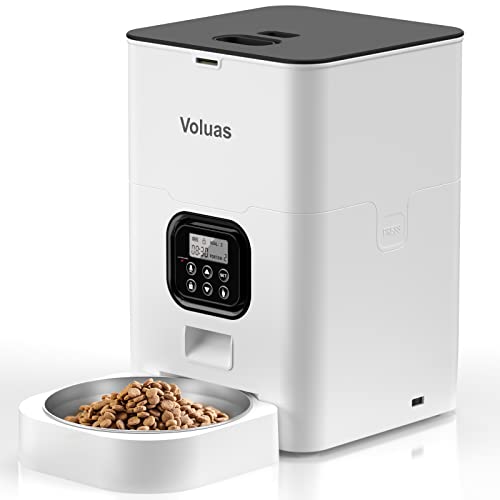
The pitpet automatic pet feeder is a countertop-style dry food dispenser built around a food hopper, a rotating or gated dispensing mechanism, and a programmable timer. The basic idea is simple: you load kibble into the hopper, set one or more meal times, choose a portion amount, and the unit releases food at each scheduled time. Units in this general class are typically designed for dry kibble only, and the hopper is usually sealed with a lid to limit moisture and pests. Most owners buy this type of feeder to cover breakfast or dinner when they work long shifts, commute, or travel for a day or two.
Because feeders in this category are sold under many similar-looking brand names, it is worth confirming the exact model and firmware details on the product page or packaging before you buy. Manufacturers generally specify the hopper capacity, the number of meals per day, the minimum portion increment, the power source, and whether a backup battery is included. Those are the details that matter most for daily use, and they are covered in the next section. Treat any marketing language about “smart” behavior with caution unless the specifications confirm a connected app, camera, or sensor.
Setup is usually quick. Most people will want to plug in the unit, install any included batteries, load food, set the clock, and program two or three test meals before relying on it. A short trial run with an observed first feeding helps confirm that the portion size matches what your pet expects and that the food is not bridging or clumping in the hopper, which is the most common mechanical complaint in this category.
Key Features & Specifications
The table below lists the features typically reported for units sold under this name. Verify each value against the listing or manual for the specific version you are considering, because capacities and power options can vary between production runs.
| Feature | What to Check | Why It Matters |
|---|---|---|
| Food type | Dry kibble only | Wet food will spoil and jam the mechanism |
| Hopper capacity | Listed in cups or liters; confirm on the product page | Determines how many days you can go between refills |
| Meal scheduling | Multiple daily programmable meals | Lets you split food across the day instead of one large serving |
| Portion control | Adjustable portion amounts per meal | Supports weight management when paired with a vet-recommended amount |
| Power | AC adapter plus battery backup, if included | Battery backup keeps meals on schedule during short outages |
| Lid and seal | Locking or snap-on lid | Limits pests, humidity, and pet access to stored food |
| Bowl and cleaning | Removable bowl and hopper parts | Easier washing reduces residue buildup and odor |
Pay close attention to the portion increment, which is often larger than people expect. If the smallest step is a fairly coarse measure, a small cat may need a manual adjustment or a different model. Also check whether the power adapter is included and whether the battery is sold separately, since a feeder without backup power is more vulnerable to missed meals during brief outages.
Pros & Cons
Pros
- Straightforward timer programming for regular daily meals, which suits people with fixed schedules.
- Portion settings help prevent overfeeding when the amount is matched to the pet’s target intake.
- A sealed hopper keeps dry food fresher and discourages pets from getting into stored kibble.
- Removable components make routine cleaning less of a chore than with many older gravity-style dispensers.
- Works well as a supplement to, not a replacement for, your own presence for everyday feeding.
Cons
- Dry kibble only; wet food, raw food, and treats in irregular shapes can cause jams or spoilage.
- Portion increments may be too coarse for very small cats or dogs on tight calorie limits.
- Owners often report that certain kibble shapes bridge in the hopper and stop the dispenser.
- Battery backup, where offered, is typically limited in duration, so long outages still risk missed meals.
- No camera or remote monitoring is included in basic versions, so you cannot confirm feeding remotely.
Performance Analysis
Performance for an automatic feeder comes down to three things: whether meals release on time, whether each portion is consistent, and whether the food flows reliably. Based on manufacturer specifications and common owner feedback patterns in this category, the timer function is usually the most dependable part of the design. Scheduled meals release as programmed in most reports, provided the clock is set correctly after installation and any power interruption.
Portion consistency is more variable. Dry kibble varies in size, density, and shape from bag to bag and even across batches of the same brand. Owners often report that a portion that dispenses correctly with one formula may come out lighter or heavier with another. The practical fix is to weigh a few test dispenses on a kitchen scale and adjust accordingly. Doing this once with each new bag is a small step that prevents long-term over- or underfeeding.
Food flow is where many complaints arise. Round, uniform kibble generally moves through the hopper well. Irregular shapes, very small pieces, or greasy formulas can clump or bridge, leaving the hopper partly full while the dispenser delivers nothing. Keeping the hopper no more than about two-thirds full and clearing dust and crumbs regularly tends to reduce these problems. For guidance on evaluating these mechanics across models, see How to Evaluate Automatic Feeders and Pet Fountains.
Power reliability depends on setup. A feeder on a reliable outlet with a backup battery will generally keep to schedule through short interruptions. Without backup power, any outage can shift or skip a meal, which matters most for pets on strict medication or diabetic feeding schedules. Anyone managing a medical diet should consult a veterinarian before relying on any automatic feeder for those meals.
Who Should Buy This Product?
This feeder is a good fit for owners of a single cat or small-to-medium dog who eat dry food, have predictable daily routines, and are away for a stretch of several hours. It works well for people who want to split one day’s ration into two or three measured servings, which can help with appetite control and reduce begging. It also suits households that already measure food carefully and want a timer to handle the repetition.
You should probably skip it if you feed wet food exclusively, have multiple pets that need separate meals, own a large dog that eats a big volume in one sitting, or need a feeder with remote monitoring. It is also not the right tool for pets with medical feeding needs unless a veterinarian has approved the setup and you have a backup plan for missed meals. Owners who want video checks or app alerts should look at camera-equipped models instead, such as those covered in Top 8 Automatic Pet Feeder Camera Models Compared for Home Monitoring.
Buying Guide
Before buying any automatic feeder, measure your pet’s daily food requirement in grams or cups, then divide it by the number of meals you plan to program. That gives a per-meal portion you can check against the minimum increment of the feeder you are considering. Next, estimate how long you need the hopper to last between refills, factoring in a safety margin of a day or two. Finally, confirm the food type it accepts and whether a battery backup is included or sold separately.
When comparing models, look at the portion step size first, since that is the most common source of frustration. Then check bowl and hopper removability, lid security, and the warranty terms the manufacturer lists. Read the manual before setup, and keep it for troubleshooting. For setup walkthroughs of other popular models, see Pitpet Automatic Pet Feeder Set Up: 9 Best Feeders Compared (2026) and Pitpet Automatic Pet Feeder Portion Size: 8 Best Picks Compared.
Several well-known alternatives are often compared with this type of feeder. The PetSafe Smart Feed is a commonly referenced app-enabled model with a larger capacity and remote scheduling options; it suits owners who want to adjust meals from a phone. View on Amazon The Petmate Hopper-style dispenser is a simpler, lower-complexity alternative that many owners choose for basic gravity feeding with fewer electronic parts. View on Amazon The PetLibro Air is frequently mentioned for its camera and app features, which help owners who want to confirm meals remotely. View on Amazon Each has trade-offs in cost tier, complexity, and capacity, so match the model to your routine rather than the feature count alone.
FAQ
Can the pitpet automatic pet feeder handle wet food?
Units in this category are generally designed for dry kibble. Wet food can spoil in the hopper and clog the dispensing mechanism. Check the manufacturer’s stated food compatibility before using anything other than dry food.
How do I set the right portion size?
Start with your veterinarian’s recommended daily amount, divide it by the number of meals, and dispense a few test portions onto a kitchen scale. Adjust the setting until the weight matches your target, and recheck whenever you change food brands.
What happens during a power outage?
If the model has a backup battery, scheduled meals usually continue for a limited time. Without backup power, meals may be skipped or delayed until the clock is reset. Confirm backup duration in the manual.
Why does the food sometimes get stuck?
Kibble that is oversized, irregular, or greasy can bridge in the hopper. Keep the hopper partly full rather than overfilled, and clear crumbs and dust regularly. Switching to a more uniform kibble often helps.
Is it safe to leave my pet alone with this feeder?
For healthy adult pets on a stable routine, many owners use automatic feeders for short absences. Puppies, kittens, senior pets, and pets with medical conditions need closer supervision and a vet-approved feeding plan.
How often should I clean it?
Empty and wipe the hopper and bowl at least weekly, and more often in humid conditions. Dry all parts completely before reloading to prevent mold and odor.
Can I use it for multiple cats or dogs?
A single-bowl feeder like this one is not designed to separate meals for multiple pets. Multi-pet households usually need either multiple units or a feeder with separate compartments.
Does it connect to a phone app?
Basic versions typically do not. Confirm the presence of Wi-Fi or app features on the specific listing before buying if remote control matters to you.
Final Verdict
The pitpet automatic pet feeder is a practical, no-frills choice for owners of one cat or a small dog who eat dry food on a predictable schedule. Its strengths are simple timer programming, portion control, and a sealed hopper that keeps kibble fresh. Its limits are real: dry food only, coarse portion steps for very small pets, occasional flow problems with irregular kibble, and no remote monitoring in basic versions. Measure your pet’s needs, test the portion weight with your own food, and confirm the power and food specifications before buying. If you need app control or a camera, compare alternatives first. For a straightforward daily-meal helper, this type of feeder can be a sensible addition to the routine. View on Amazon
Related reading
- Pitpet Automatic Pet Feeder Manual: Setup, Programming and Troubleshooting Steps
- Wopet Automatic Pet Feeder Setup: 7 Best Picks Compared (2026)
About Ethan Brooks
Ethan Brooks is part of our editorial team and reviews and edits our everyday pet gear guides, checking product details against manufacturer specifications and owner feedback.