By Claire Whitaker
Updated November 2026
The strawberry fields off-leash dog park is an option many owners look for when they want their dog to run, sniff, and socialize without a leash. This guide walks you through how to check whether an off-leash area suits your dog, how to prepare before you go, how to behave once you arrive, and how to leave with a calm, tired dog. Because local rules, hours, and conditions change, it also shows you how to confirm the details yourself before you load up the car.
Start by Confirming the Current Details
Off-leash areas are often run by city or county parks departments, and their rules can shift with seasons, construction, or staffing. Before your first visit, look up the park’s official listing or call the managing agency to confirm current hours, whether the area is open, and any posted rules. Check the official site for current hours, dates, and any fees, and do not rely on old reviews or forum posts for this information.
Shopping for one? See our guide: Bike Leash vs Hands-Free Bike Leash: Dog Leash for a Bike Compared.
It also helps to ask whether the area is fenced, whether it has a separate space for small dogs, and whether water is available. These details shape how you plan your visit more than almost anything else.
Decide Whether an Off-Leash Area Fits Your Dog
Not every dog handles an off-leash space well. A good candidate usually comes when called most of the time, stays reasonably calm around unfamiliar dogs, and does not guard food, toys, or its owner. A dog that bolts at gates, chases bikes or joggers, or has a history of biting should stay on a leash until training improves. A related read: Elite Field Dog Crate: How to Choose the Right One (Step-by-Step).
If your dog is reactive or anxious, a gradual approach works better than jumping straight into a busy off-leash area. For background on that process, see Dog Training for Leash Reactivity: A Step-by-Step Guide for Calmer Walks. Owners of dogs who respond poorly to direct handling may also find How to Walk Dog on Leash Calmly: 5 Steps That Actually Work useful before attempting a fenced, unstructured space.
Quick Suitability Check
- Comes when called at least most of the time, even with distractions nearby
- Tolerates other dogs without constant tension, growling, or lunging
- Is current on vaccines and parasite prevention, as most parks require
- Has no history of food, toy, or territorial aggression
- Is not in heat, recovering from surgery, or showing signs of illness
Prepare Your Gear and Your Dog
Good preparation prevents most of the problems owners run into. Bring a standard leash and collar or harness for the parking lot and entry gate, even though you will unclip once inside. Many owners prefer a well-fitted harness because it gives more control if a dog suddenly bolts near a gate. Carry waste bags, water in a collapsible bowl, and a towel, since muddy paws and wet coats are common after a run.
Packing Checklist
- Leash (six feet is a common length) and a secure collar or harness with an ID tag
- Waste bags, more than you think you need
- Water and a portable bowl
- Towel or wipes for paws and muzzle
- Treats for recall rewards, kept in a pocket or pouch
- Proof of current rabies and other required vaccinations, if the park asks for it
Exercise Before You Arrive
A dog that arrives wound up is more likely to overwhelm others or misbehave. A 15 to 20 minute walk on a leash before you go gives your dog a chance to settle and sniff, which helps it focus once inside the gate. Avoid feeding a large meal right before you leave, since a full stomach and vigorous running do not mix well.
How to Behave Once You Arrive
Stand inside the gate for a moment before you unclip your dog. Check the area for other dogs, people, and any hazards like broken fencing or spilled food. Close the first gate fully before opening the second one, so no dog slips out. Once inside, unclip your dog and let it orient itself before walking further in.
Step-by-Step Routine
- Watch the gate area for a few seconds and note the dogs already inside.
- Enter through the double gate, closing each one before opening the next.
- Unclip your dog only after you are fully inside and the gate is closed.
- Walk along the edge of the space rather than cutting straight through the middle, which keeps your dog moving and less likely to get swarmed.
- Call your dog back every few minutes and reward it with a treat or praise, which keeps recall strong.
- If a dog approaches your dog aggressively, step between them calmly, call your dog to you, and leave the area if needed.
- Before leaving, gather your dog and put the leash back on before opening the gate.
Reading Other Dogs and Owners
Learn to read body language quickly. A loose, wiggly body and play bows usually signal fun. Stiff legs, a fixed stare, raised hackles, or a tucked tail suggest tension. If a dog is bullying yours, or an owner is not watching their dog, it is reasonable to leave. Most park users are considerate, but you are responsible for your own dog’s behavior.
Common Mistakes to Avoid
- Bringing a dog that is not ready. A first visit is better when quiet, since busy times can overwhelm a new dog.
- Going during peak hours without a plan. Early mornings and weekday midday visits are often calmer, though you should confirm current patterns yourself.
- Ignoring the gate. Most escapes happen while people are entering or leaving, not inside the park.
- Letting your attention drift to your phone. Watch your dog, not the screen, especially around unfamiliar dogs.
- Skipping water and breaks. Dogs can overheat quickly in warm weather, so offer water regularly and rest in the shade.
- Not cleaning up. Waste left behind is the fastest way for an off-leash area to lose access.
Tips for Better Visits Over Time
Keep visits short at first, perhaps 15 to 20 minutes, and increase the time as your dog settles. Practice recall at home with rewards before trying it in a busy space. If your dog struggles with focus once inside, consider a longer leash walk nearby to build the habit of checking in with you. For dogs that need extra structure, Long Leash for Dog Training: 6 Best Picks for Recall and Walks (2026) covers options that let you practice recall while still giving freedom.
Off-leash areas are not available everywhere, and access rules differ. If you are exploring other options near home, Off Leash Dog Trails: How to Find Safe Options and Use Them Well explains how to evaluate trails and other unfenced spaces. It is also worth reading Dog on Leash Law: What Owners Need to Know Before Walking, since leash laws can apply even outside designated areas.
Recommended gear
A well-fitted harness gives you better control at gates and during sudden bolts, which is why many owners favor one for busy off-leash spaces. Pair it with a standard six-foot leash so you can hold your dog firmly in the parking area and at the entry.
- Padded no-pull harness: spreads pressure across the chest and shoulders, which helps when a dog lunges. View on Amazon
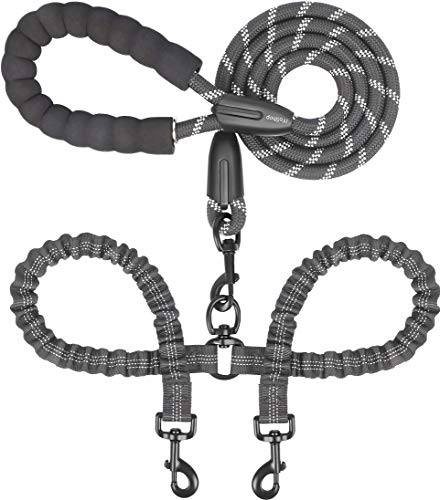
- Six-foot training leash: a sturdy, lightweight leash that stays out of the way during walks to the gate. View on Amazon
- Collapsible silicone water bowl: folds flat for your bag and gives your dog water on warm days. View on Amazon
- Treat pouch with waist clip: keeps rewards handy for recall practice without digging through a bag. View on Amazon
FAQ
Do I need to bring my dog’s vaccination records?
Many off-leash areas require current rabies vaccination and sometimes other vaccines. Requirements vary, so check the managing agency’s posted rules or call ahead. Keeping a digital or paper copy in your bag is a sensible habit.
Is the area safe for puppies?
Puppies who have not finished their vaccine series may be at risk of illness from unfamiliar dogs. Many veterinarians advise waiting until the series is complete. Ask your vet for guidance specific to your puppy.
What should I do if my dog gets into a fight?
Stay calm and avoid grabbing collars or reaching into the middle, which can lead to bites. Try to distract the dogs with a loud noise or by moving away, or ask nearby owners for help. Get your dog checked by a veterinarian afterward, even for small wounds, because bite punctures can become infected.
Can I bring a small dog into a space meant for large dogs?
Many parks offer separate areas for small and large dogs because size differences raise injury risk. If the park does not have a separate section, consider visiting at quieter times or choosing a different space.
How long should a visit last?
There is no universal answer. A new or high-energy dog might benefit from 20 to 30 minutes, while a calm adult may enjoy an hour. Watch your dog’s energy and stop before it becomes overexcited or tired.
What if my dog is afraid of other dogs?
A fearful dog may find an off-leash space overwhelming. Start with quieter times, stay near the edge, and leave early if your dog shows stress signs like tucked tail, lip licking, or hiding behind you. A certified trainer or veterinary behaviorist can help build confidence gradually.
Should I ask a professional before going?
If your dog has a history of aggression, a medical condition, or significant anxiety, consult your veterinarian or a qualified dog trainer before visiting. They can advise whether an off-leash space is appropriate and how to prepare.
Conclusion
A successful visit to the strawberry fields off-leash dog park comes down to three things: confirming current rules, making sure your dog is ready, and staying attentive once you are inside. Start with short, calm visits and build up as your dog’s recall and manners improve. Check the official source for hours and conditions before each trip, and consult a professional if your dog has any behavior or health concerns.
Ready to choose one?
About Claire Whitaker
Claire Whitaker is part of our editorial team and reviews and edits our everyday pet gear guides, checking product details against manufacturer specifications and owner feedback.