 By Ethan Brooks
Choosing the right setup for your dog in the car means solving two separate problems: protecting the interior and keeping the dog secure. Seat covers, cargo liners, and restraints each do a specific job, and the best option depends on the type of vehicle, the size of the dog, and how often you travel. This guide compares hammock covers, bench covers, cargo liners, bumper flaps, and restraint choices such as crash-tested harnesses, travel crates, and booster seats.
The short answer
If your dog rides in the back seat, a hammock-style seat cover with waterproof backing, side flaps, and seat belt openings is the most practical all-around choice for most owners. It protects the seat cushion and the back of the front seats, keeps the dog from sliding into the footwell, and still lets you buckle the dog into a safety harness. If your dog rides in the cargo area of an SUV or hatchback, a full cargo liner with a bumper flap gives similar protection plus easier loading.
For actual crash safety, the cover or liner is not enough: you also need a properly used restraint system, typically a crash-tested harness with a seat belt tether, an impact-tested travel crate, or a booster seat for very small dogs. If you want a broader look at gear for trips, the pet travel gear section covers carriers, bowls, and other essentials.
How each type of surface protection works
Hammock-style seat covers
A hammock cover stretches across the back seat and attaches to the front head restraints and the rear head restraints. The middle section forms a soft hammock that covers the gap between the seat cushion and the backrest, so paw prints and drool do not reach the seat itself. The side flaps drape over the door edges to protect the armrests and the sides of the seat, and the backing is usually waterproof or at least water-resistant, which keeps accidents and wet dog odor from soaking into the upholstery. Many models include openings that let the seat belt buckles poke through, so a dog can be secured in a harness without unclipping the whole cover.
Bench covers
A bench cover is a simpler, flatter panel that covers the seat cushion and sometimes the backrest. It typically attaches with elastic straps and hooks around the head restraints, and some versions have a split design so the center armrest can drop down. Bench covers work well if the dog lies down or sits calmly on the seat and does not climb into the footwell. They are easier to remove quickly than a hammock, but they leave the floor, the back of the front seats, and the door edges more exposed. For many owners, a dog car seat cover with a hammock shape is worth the extra setup time.
Cargo liners and bumper flaps
For owners who let their dog ride in the rear cargo area of an SUV, station wagon, or hatchback, a cargo liner is the closest match to a seat cover. The liner lies flat over the load floor and often wraps partway up the backrest of the rear seats. A separate bumper flap folds down or hangs over the rear bumper so claws and muddy paws do not scratch the painted surface while the dog hops in and out. Some liners are a single piece with raised edges or a non-slip backing, which helps keep bedding in place. Cargo liners are especially useful for wet walks and for large breeds that cannot comfortably curl up on a back seat.
Waterproof backing, seat anchors, side flaps, and seat belt openings
The four features to compare are the backing material, the anchoring system, the side flaps, and the seat belt openings. A waterproof backing protects the seat from urine, vomit, drool, and wet fur; water-resistant fabric alone may soak through under pressure. Anchors can be hooks that wrap around the head restraints, adjustable straps that cinch tight, or rigid panels that wedge into the seat crease; the point is to stop the cover from shifting when the dog moves. Side flaps should be long enough to cover the door edges and seat sides without interfering with the doors closing. Seat belt openings are small slits or buckle openings that let a harness tether reach the latch, so you do not have to compromise between protecting the seat and restraining the dog.
Restraint options for dogs in the car
A seat cover does not restrain a dog. In a sudden stop, an unrestrained dog can be thrown into the front seat, a window, or another passenger, and the dog can become a projectile. The options below are the common restraint categories, and each depends on matching the product to the dog and following the manufacturer’s instructions.
Crash-tested harness with a seat belt tether
A crash-tested harness is a body harness with a buckle on the back that accepts a short tether. The tether usually has a clip at one end and a standard seat belt latch on the other, so you plug it into the vehicle’s seat belt buckle like a regular belt. The dog wears the harness, and the short tether keeps the dog on the seat instead of allowing a long leash-like range. Choose a harness labeled with crash testing, attach the tether only to the harness attachment point, never to a collar, and adjust the fit so the harness cannot slip. Check the manufacturer’s instructions for compatibility with your vehicle’s seat belt system, and replace any harness or tether that shows wear or has been in a crash.
Travel crate
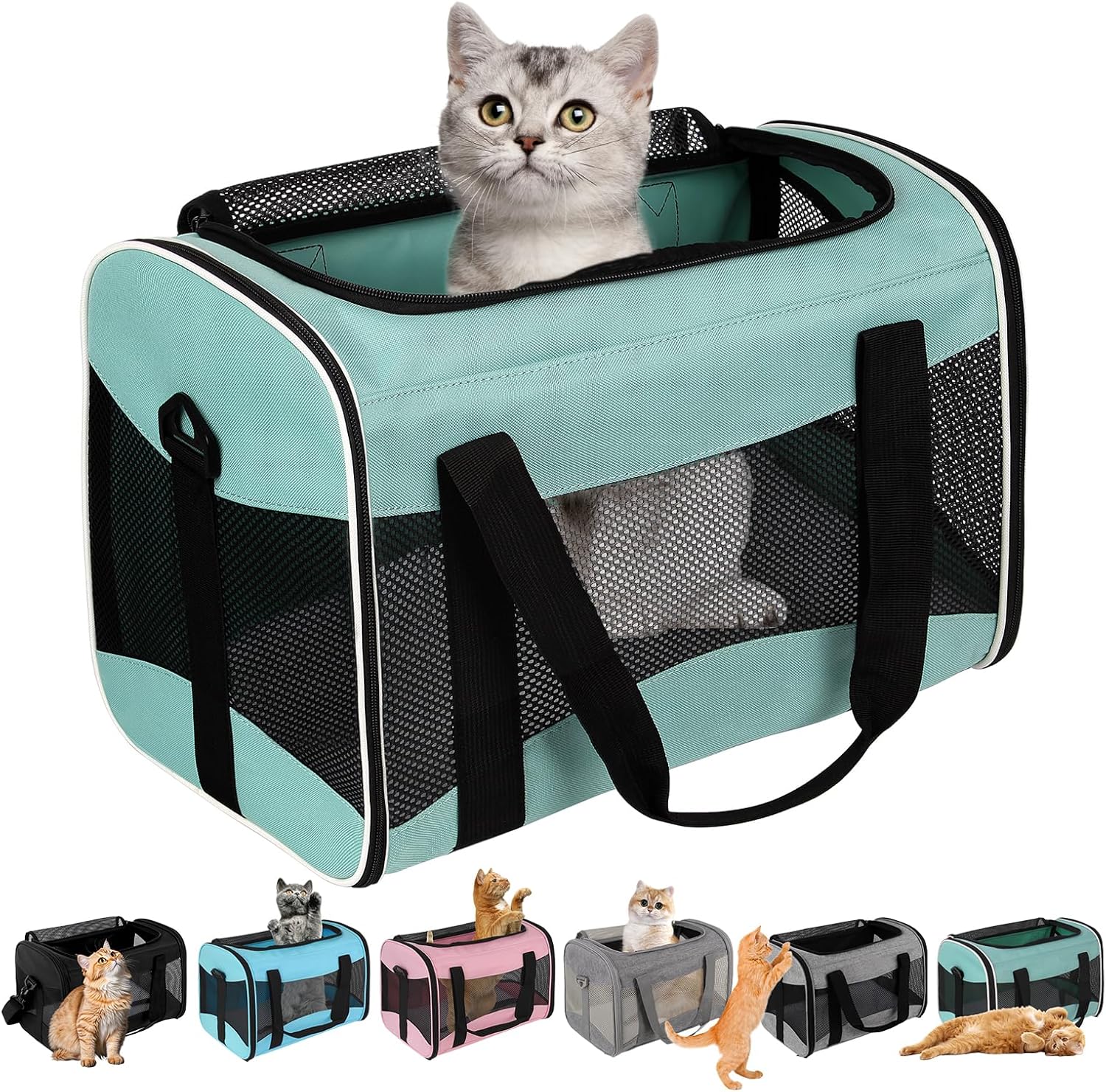
A travel crate or carrier is the most protective option for some dogs, particularly small or anxious dogs. The crate should be designed for vehicle use and should be secured so it does not slide or tip. Wire crates can be tied down with straps, but impact-tested plastic or composite carriers are more common for crash protection. Position the crate in the back seat or cargo area away from airbags, and follow the crate manufacturer’s instructions for installation. A crate that fits the dog’s size is safer than an oversized one, because the dog should not be thrown across the interior during a sudden stop. For carrying a small dog between car and destination, soft-sided pet carriers are convenient, but in the vehicle itself a secured crate or a crash-tested harness is the safer choice.
Booster seats for small dogs
A booster seat is an elevated, padded seat with sides, usually placed on the back seat and anchored to the head restraints. Small dogs use it to see out the window, and many boosters include a built-in tether that clips to the dog’s harness. The booster keeps the dog from climbing around the cabin, and it is easier for the owner to reach the dog at shoulder height. However, not all boosters are crash-tested, so treat the tether as a restraint only if the manufacturer states that it is designed for that purpose. For a small dog, a crash-tested harness used with a regular seat belt may be the safer choice.
Why dogs should not ride in the front seat or loose in the cabin
The safest place for a dog is the back seat or cargo area of a vehicle, not the front passenger seat. Front airbags deploy with force during a collision and can seriously injure or kill a dog, even a large one. Many vehicles do not let you switch off the passenger airbag, and even where you can, the back seat is still the safer place. An unrestrained dog riding loose in the cabin is also a distraction for the driver and a projectile in a crash. Even a gentle stop can send a dog into the windshield or dashboard. Keep the dog in the back seat or cargo area, and keep a hand free by never letting the dog move between the front seats while the vehicle is moving.
Pickup truck beds
Pickup truck beds are not a safe place for a dog. A dog riding loose in the bed can be thrown out during a sudden stop, a maneuver, or a crash, and debris and weather add more danger. Wind, loose tie-down systems, and unsecured equipment create additional hazards. The safer choice is to carry the dog inside the cab in a secured crate or with a crash-tested harness. Some states have laws about dogs in truck beds, so check your local rules. If a manufacturer offers a crash-tested bed containment system, follow that product’s instructions exactly, but understand that the cab option is safer.
Side-by-side comparison table
| Surface or restraint | Best for | What to consider |
|---|---|---|
| Hammock-style seat cover | Back-seat riders, especially active dogs | Covers the seat, gap, and door edges; pair it with a harness tether |
| Bench seat cover | Calm dogs that stay on the seat | Lighter and quicker to remove; leaves the footwell and door edges exposed |
| Cargo liner with bumper flap | Dogs that ride in an SUV or hatchback cargo area | Protects the load floor and bumper; pair it with a harness or crate |
| Crash-tested harness with tether | Dogs that ride on a seat | Must fit correctly and follow the manufacturer’s instructions |
| Travel crate | Small or anxious dogs, or owners who want full containment | Must be secured and positioned away from airbags |
| Booster seat | Small dogs that need height and stability | Choose a model designed for vehicle restraint, or use a harness with it |
Upkeep and long-term ownership
Seat covers and liners collect fur, dirt, and odors, so choose materials that wipe down or go in the washing machine. A waterproof backing should be allowed to air-dry fully before folding. Wash the cover according to the label, and avoid fabric softeners if the product has a waterproof coating. Over time, hooks stretch, side flaps curl, and the backing may peel; inspect the cover before each trip and replace it when the protection stops working. Harnesses, tethers, and crates should be checked for frayed webbing, bent buckles, or cracked plastic. A little routine care keeps the gear working, and it also reduces the chance of an accident caused by a broken strap at the wrong moment.
FAQ
Can I use a seat cover and a safety harness at the same time?
Yes. Look for a cover with seat belt openings that allow a tether to reach the latch. Keep the opening aligned with the buckle, and check that the cover does not interfere with the harness attachment point or with the seat belt mechanism.
Where should a dog ride in a car?
The back seat or the cargo area is the safest place, as long as the dog is secured with a harness tether or a crate. Never let a dog ride loose in the front seat, and do not allow a dog to ride on someone’s lap.
Are booster seats crash-tested?
Not all booster seats are. Read the product information to see whether the manufacturer states that the tether is a crash restraint, and follow the instructions. For the highest level of protection, pair the booster with a crash-tested harness.
How do I stop my dog from scratching the car interior?
Trim the nails, provide a non-slip surface such as a liner or hammock cover, and secure the dog with a harness or crate so it cannot brace against the door. If scratching seems driven by anxiety, talk to your veterinarian.
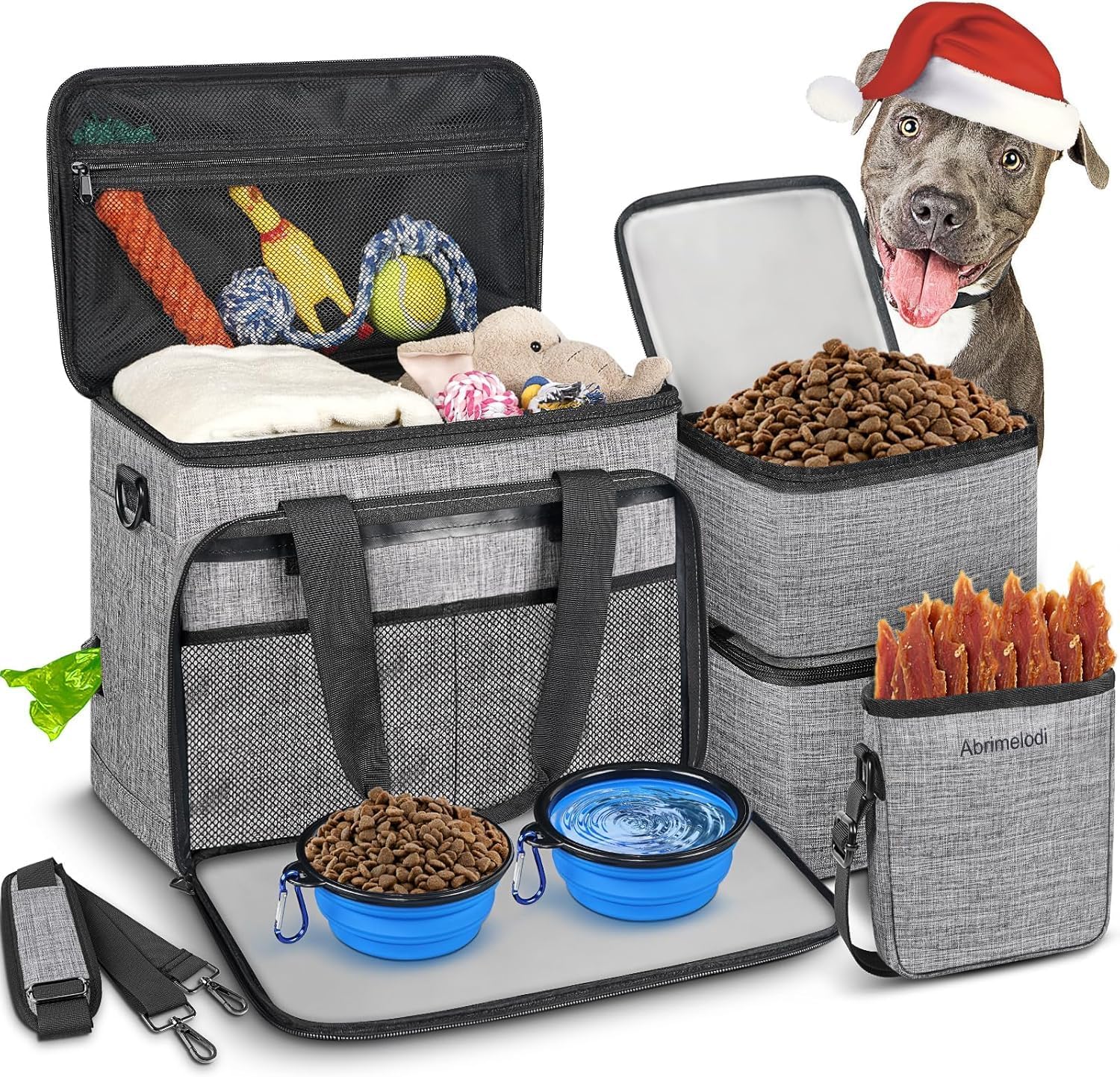
Finding the right setup really comes down to matching the product to the vehicle and the dog. Start with a hammock cover or cargo liner that fits your interior, then add a crash-tested harness or crate so the dog stays in place on every trip. Tighten the straps, fasten the tether, and check the fit each time you travel, and for longer trips pack a collapsible dog bowl and fresh water to make rest stops easier.
About Ethan Brooks
Ethan Brooks is part of our editorial team and reviews and edits our everyday pet gear guides, checking product details against manufacturer specifications and owner feedback.