By Claire Whitaker
Updated November 2026
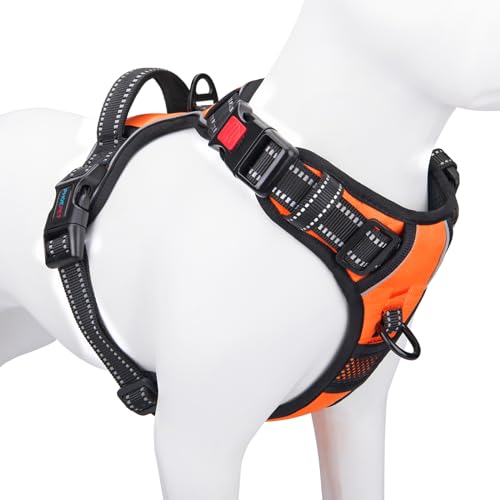
A dog harness wonder walker is designed to spread pulling pressure across the chest and body instead of the neck. This guide shows you how to check the fit, put it on correctly and walk your dog without constant tugging. Most fit problems come down to a few measurements and a short adjustment routine. For a deeper look, Freedom Harness Dog Harness: How to Fit and Use One for Calm Walks covers this in detail.
Step 1: Measure Your Dog Before You Buy
Harnesses sized by weight alone often fit poorly. Measure the girth, which is the widest part of the chest just behind the front legs, with a soft tape. Then measure the neck if the harness has a collar section. Compare both numbers against the manufacturer’s size chart, since sizing differs from brand to brand. When a dog falls between sizes, many owners choose the larger size and tighten the straps.
Shopping for one? See our guide: Buddy Belts Dog Harness vs Standard Step-In Harness: Which Should You Choose?.
Step 2: Fit the Harness Correctly
A harness that fits well should sit snugly without restricting breathing or leg movement. Use these checks once it is on:
- You can slide two fingers flat under the chest strap.
- The strap sits behind the front legs, not across the throat.
- Leg openings are not rubbing the armpits or pulling upward.
- The main chest panel lies flat, without twisting or bunching.
Adjust the straps while your dog stands naturally. Recheck after a short walk, because some harnesses settle as the dog moves.
Step 3: Attach the Leash and Start Walking
Clip the leash to the front ring on the chest for the most direct control over pulling. Many owners find the back ring works better for dogs that already walk calmly, since it keeps the leash off the front legs. Start with short walks in a quiet area. Stop walking when the leash goes tight, and resume only when the leash loosens. This pattern teaches the dog that steady pressure does not move them forward.
Common Mistakes to Avoid
- Choosing a size by weight instead of measuring girth.
- Leaving the harness loose, which lets the dog slip out or rub.
- Using a leash clipped to the front ring with a retractable line, which increases pressure on the chest.
- Skipping the post-walk check for rubbing or red areas on the skin.
- Expecting instant results. Loose-leash walking usually takes several weeks of consistent practice.
Recommended Gear
A soft measuring tape gives you the girth and neck numbers you need before ordering a harness. View on Amazon
A short, padded leash keeps your hand close to the harness and makes it easier to stop pulling before it starts. View on Amazon
For more fit guidance, see Walking Dog with a Harness: Step-by-Step Guide for Safe, Comfortable Walks and How to Use a Dog Harness Correctly: Step-by-Step Fit and Walking Tips. If you are comparing styles, Front-Clip vs Back-Clip Dog Harness: Which One Is Better? explains the difference in detail.
FAQ
How do I know if the harness is too tight?
If you cannot fit two fingers under the chest strap, or the dog shows signs of discomfort such as rubbing, reluctance to move or heavy panting, loosen the straps. Consult your veterinarian if skin irritation persists.
Can I use this harness on a puppy?
Check the manufacturer’s minimum girth and weight limits first. Puppies grow quickly, so recheck the fit every few weeks.
How long does it take a dog to get used to a harness?
Most dogs adjust within a few days of short, positive sessions. Some take longer, so keep early sessions brief and calm.
Conclusion
Measure your dog, fit the harness with the finger check and attach the leash to the ring that suits your dog’s walking habits. Recheck the fit regularly and keep early walks short. With steady practice, walks become calmer and more comfortable for both of you.
Related reading
- Easy Walker Dog Harness: How to Pick and Fit One (Step-by-Step)
- Rough Wear Dog Harness: How to Pick One That Lasts
Ready to choose one?
About Claire Whitaker
Claire Whitaker is part of our editorial team and reviews and edits our everyday pet gear guides, checking product details against manufacturer specifications and owner feedback.