 By Ethan Brooks
A Petory automatic pet feeder can take the daily feeding routine off your plate by dispensing measured meals on a timer, so your cat or dog gets fed on schedule even when you are at work, running late or traveling. This guide walks you through how to choose a Petory automatic pet feeder for your home, set it up correctly, program portions and schedules, and avoid the mistakes that cause most feeding problems. Along the way, you will find a setup checklist, a portion-planning table and answers to the questions owners ask most often.
Automatic feeders are only as useful as the routine behind them. Before you buy or set one up, it helps to be clear about what the machine can and cannot do, and how it fits into the way you already feed your animal.
Shopping for one? See our guide: Automatic Pet Feeder Petsafe (2026): Pros, Cons & Verdict.
What a Petory Automatic Pet Feeder Does and Who It Suits
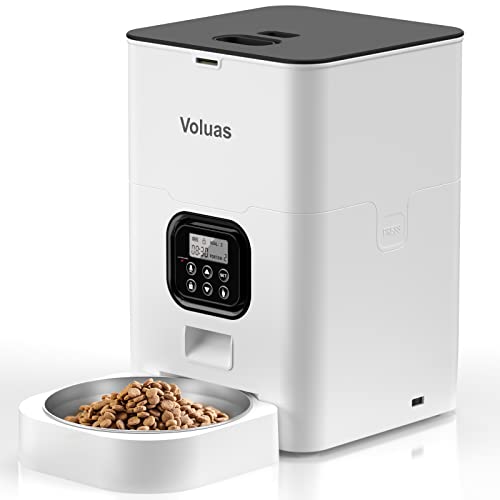
At its core, a timed feeder stores dry food in a sealed hopper and releases a set amount into a bowl at times you choose. Most models in this category share a few common functions: a food reservoir, a dispensing mechanism, a bowl, a clock or scheduling interface, and a power source, usually a wall adapter with battery backup. Features such as a voice recorder, a camera or a companion app vary by model, so check the specific Petory listing before assuming a feature is included.
These feeders tend to suit a few situations well:
- Owners who work long shifts or away from home for most of the day.
- Households with a pet that needs small, frequent meals rather than one large bowl.
- Multi-pet homes where you want to separate feeding times to prevent food stealing.
- Animals on a prescribed diet that requires consistent portion sizes.
They suit people less well when a pet has a medical condition requiring food to be eaten within minutes, when the animal is a picky eater that needs hand-feeding to eat, or when the food is wet or fresh and spoils in an open bowl. In those cases, talk with your veterinarian before relying on any automatic system.
Before You Set Up: Preparation Steps
Good setup starts before you unbox anything. Gather what you need and decide on your feeding plan first. Most setup problems come from skipping this step and trying to guess portions while the feeder is already running.
Tools and supplies you will need
- The Petory feeder with all included parts (hopper lid, bowl, power adapter, and any batteries listed in the manual).
- A kitchen or food scale that reads in grams, since many dry-food labels give weight-based feeding guidance.
- Your pet’s current food bag, so you can read the feeding chart on the label.
- A clean, flat surface near a grounded outlet, away from direct sunlight and water sources.
- A notepad or phone note to record your schedule and portion settings.
Confirm your pet’s daily calorie needs
The food label gives a starting point, but it is written for a generic animal of a given weight. Your pet’s age, activity level, body condition and whether they are spayed or neutered all change the right amount. A veterinarian can give you a daily calorie target, which you then convert to a number of kibble pieces or grams per meal.
Step-by-Step Setup for Your Petory Feeder
Follow the sequence below. Doing the steps in order avoids the common problem of a feeder dispensing food before the clock or portion settings are correct.
Step 1: Assemble and place the feeder
Attach the bowl and lid according to the manual, then place the unit on a level, stable surface. Keep it at least a foot from walls or furniture so your pet can reach the bowl without the unit tipping. Plug in the adapter, and if the model uses batteries, install them now so the clock keeps time during any power interruption.
Step 2: Set the clock and date
Set the current time before anything else. Scheduled meals run on the internal clock, so an incorrect time means meals arrive at the wrong hour. Check the time after the first full day and again after any power outage.
Step 3: Calibrate the portion size
Fill the hopper with the food your pet actually eats, not a different kibble. Run a test dispense and weigh the output on your kitchen scale. Adjust the portion setting until one dispense matches the gram weight you calculated. Record the setting that gives your target amount, because different food shapes dispense differently.
Step 4: Program your meal schedule
Enter your feeding times. Most households do well with two to four meals spaced across the day. Leave at least four hours between meals for adult dogs and cats, and avoid scheduling a large meal right before intense exercise. Set the number of portions per event if your model supports multiple dispenses at one time.
Step 5: Run a supervised trial
Stay home for the first few scheduled meals. Watch your pet approach the bowl, eat, and walk away. Check that the food is landing where it should and that the bowl is not jamming or spilling onto the floor. Adjust as needed before leaving the animal alone.
Step 6: Track and review after one week
Weigh the remaining food in the hopper each day for a week and compare it with what should have been dispensed. Watch the animal’s body condition and stool quality. Adjust portions up or down by small amounts, such as 5 to 10 percent, and reassess after another few days.
Portion Planning Reference
The table below shows how a feeding plan might be broken down for a typical adult dog or cat. The figures are illustrative: your veterinarian or the food manufacturer’s guidance should set your actual numbers.
| Feeding plan item | Example for an adult cat | Example for an adult dog |
|---|---|---|
| Total daily food (per vet or label) | About 60 g | About 300 g |
| Number of meals per day | 3 to 4 | 2 to 3 |
| Portion per dispense | 15 to 20 g | 100 to 150 g |
| Minimum spacing between meals | 3 to 4 hours | 4 to 6 hours |
| Check frequency | Daily weigh-out for first week | Daily weigh-out for first week |
Common Mistakes to Avoid
- Leaving the clock unset. A wrong time means meals arrive at odd hours and the schedule is effectively meaningless.
- Guessing the portion. Always test-dispense and weigh before trusting a setting.
- Mixing food types in the hopper. Different kibble sizes dispense at different rates, which throws off your calibration.
- Filling with wet or fresh food. Most automatic feeders are designed for dry food. Moisture can clog the mechanism and spoil in the hopper.
- Ignoring the pet’s appetite changes. A sudden drop in eating can signal illness. Do not simply lower the portion without checking with a vet.
- Placing the unit in direct sun or humidity. Heat and moisture can degrade food and affect the electronics.
- Skipping the battery check. If your model uses batteries for clock backup, replace them on schedule so a power cut does not reset your program.
Tips for a Reliable Feeding Routine
- Keep a small backup bowl with a day’s food ready in case the unit ever fails.
- Clean the bowl and hopper on a regular schedule, using mild soap and rinsing thoroughly before refilling.
- Store extra food in an airtight container so it stays fresh between refills.
- Re-check the dispense weight every few weeks, since humidity and food batch differences can shift results.
- If you have more than one pet, separate the feeding area or stagger times so each animal eats its own portion.
Recommended gear
Several accessories can make a Petory feeder easier to run day to day. Look for these types of items:
- A digital kitchen scale that reads in grams, for calibrating portions accurately. View on Amazon
- An airtight food storage container sized for your dry-food bag, to keep the hopper refill fresh. View on Amazon
- A non-slip silicone feeding mat, which keeps the bowl from sliding and catches stray kibble. View on Amazon
- A spare set of batteries for the model you own, so the clock keeps time through short outages. View on Amazon
For more background on how this category of feeder works across different brands, see Wopet Automatic Pet Feeder User Manual: Step-by-Step Setup Guide, which covers general setup logic that applies to many timed models. If you are comparing options, Wirecutter Automatic Pet Feeder: 10 Best Picks Compared in 2026 and Top 8 Automatic Pet Feeder Camera Models Compared for Home Monitoring offer broader context on what to look for. Owners who want a larger hopper for big dogs can also review Top 8 Automatic Pet Feeder Large Models for Big Dogs and Multi-Pet Homes.
FAQ
Can a Petory automatic pet feeder handle wet food?
Most automatic feeders in this category are built for dry kibble. Wet food can spoil in the hopper and clog the dispensing mechanism. Check the Petory manual for any stated limits before using anything other than dry food.
What happens if the power goes out?
If your model has battery backup, the clock and schedule should keep running. Without batteries, the feeder may reset, so check the time and schedule after any outage. Always confirm this in your specific model’s manual.
How do I know the portion size is correct?
Test-dispense a few times, weigh the output on a kitchen scale, and compare the result with your calculated target. Then weigh the remaining food daily for a week to confirm your pet is eating as planned.
How many meals a day should I schedule?
Many adult dogs and cats do well on two to four meals a day. The right number depends on the animal, its health and its habits. Ask your veterinarian for guidance, especially for kittens, puppies, seniors or pets with medical needs.
Is an automatic feeder safe for a pet with diabetes or another medical condition?
Animals with conditions that require precise meal timing, such as diabetes, should only use a feeder under veterinary direction. Feeding times and amounts may need to match medication schedules closely, so consult your vet before programming any automatic system.
How often should I clean the feeder?
Wash the bowl and any removable parts at least weekly, and more often in warm or humid conditions. Dry all parts fully before reassembling and refilling the hopper.
My pet is not eating from the automatic feeder. What should I do?
Some animals take time to adjust. Stay nearby during the first few meals and make sure the food is reaching the bowl. If your pet continues to refuse meals for more than a day, contact your veterinarian, since a loss of appetite can signal a health issue.
Can two pets share one Petory feeder?
It is possible, but it is usually harder to control. One animal may eat more than its share. Separate feeding areas or staggered meal times are generally a better approach in multi-pet homes.
Conclusion
A Petory automatic pet feeder works best when it is part of a clear routine: confirm your pet’s calorie needs, set the clock, calibrate portions by weight, and check results during the first week. Keep the unit clean, use dry food as recommended, and watch your pet’s appetite and body condition closely. When in doubt about portions or medical needs, rely on your veterinarian to set the targets, and let the feeder handle the timing.
Related reading
- Wopet Automatic Pet Feeder with Camera: 5 Best Picks Compared (2026)
- Wopet Automatic Pet Feeder Setup: 7 Best Picks Compared (2026)
Ready to choose one?
About Ethan Brooks
Ethan Brooks is part of our editorial team and reviews and edits our everyday pet gear guides, checking product details against manufacturer specifications and owner feedback.