 By Ethan Brooks
Updated November 2026
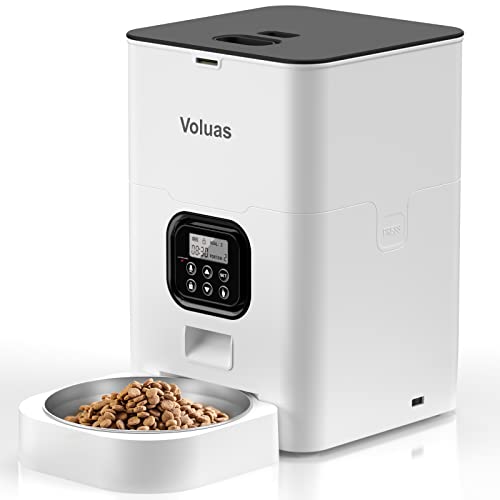
The PetSafe Healthy Pet Simply Feed automatic cat feeder is designed to dispense measured meals on a schedule, so your cat gets consistent portions even when you are at work, traveling or running late. This guide walks through unboxing, placement, programming, portion planning and troubleshooting, so you can get the feeder running reliably in one sitting. Along the way you will find a setup checklist, a portion reference table and a list of mistakes that cause most early problems.
What the PetSafe Healthy Pet Simply Feed Does and Who It Suits
The Simply Feed line is built around a timed, portion-controlled bowl that opens a food compartment at programmed times. It works best for single-cat households or homes where one cat eats dry kibble and the feeder is not competing with a stronger eater for access. Owners often report that it helps with regular meal timing, which matters for cats on prescription diets or cats that tend to overeat when free-fed.
It is not a fit for every situation. Wet food, raw food and very large portions usually do not work well in a timed dispenser, and multi-cat homes where cats eat at different rates may need a feeder with individual access controls. If you are comparing models, the article Petsafe Healthy Pet Simply Feed Automatic Feeder Splitter (2026): Which Should You Choose? covers how this feeder differs from its splitter variant, and PetSafe Healthy Pet Simply Feed Automatic Feeder Review (2026) looks at day-to-day performance in more detail.
Before You Start: Tools and Supplies Checklist
Gather these items before opening the feeder so setup does not stall halfway through:
- The feeder base, lid and food compartment as shipped
- The power adapter and a grounded outlet within reach of the feeder
- Four AA batteries for backup, if your model uses them
- Measuring cup or kitchen scale for accurate portions
- Your cat’s current dry food, plus a small bag of the same food for the transition
- A flat, stable surface at least 12 inches wide
- The manual, so you can confirm the clock and portion settings for your specific version
Check the manual for battery type and sizing before buying anything, since model revisions can change requirements.
Step-by-Step Setup of the Simply Feed Automatic Cat Feeder
Step 1: Choose the Right Location
Place the feeder on a hard, level surface away from direct sunlight, heating vents and your cat’s litter box. Keep it within a few feet of an outlet if you plan to run it on power, and avoid spots where the cat has to climb steeply to reach it. Cats that feel cornered while eating often avoid a feeder entirely, so leave open space on at least one side.
Step 2: Insert Batteries and Power
Install the backup batteries first, then plug in the adapter. Power the unit on and wait for the display to show the default time. Most timed feeders store programming in memory during short outages, but battery backup is what keeps meals on schedule during a power cut, so do not skip it.
Step 3: Set the Clock
Set the current time and date before programming any meals. A wrong clock is the most common reason feeders open at odd hours. Confirm AM and PM and use the 12-hour or 24-hour setting the manual specifies.
Step 4: Program Meal Times and Portions
Use the menu to enter each meal time and portion size. Cats commonly do well with two to four meals a day, spaced at roughly even intervals. For example, a cat on two meals might eat at 7:00 AM and 6:00 PM, while a cat on three meals might eat at 7:00 AM, 1:00 PM and 8:00 PM. Enter each portion in the unit the manufacturer specifies, which may be a fixed measure or a cup-based setting.
Step 5: Run a Test Cycle
Before leaving the cat alone with the feeder, trigger a manual dispense or set a meal five minutes ahead. Watch the first cycle to confirm the lid opens fully, food falls into the bowl and the lid closes without catching kibble. Adjust if food spills or the mechanism jams.
Portion Planning and Transitioning Your Cat
Start with your cat’s daily calorie target, which your veterinarian can estimate from weight, age, activity and body condition. Divide that total by the number of meals you plan to program. Check the calorie content printed on the food bag to convert calories into grams or cups.
| Daily target (kcal) | Meals per day | Approximate per-meal calories | Typical use case |
|---|---|---|---|
| 200 | 2 | About 100 | Small, less active adult cat |
| 250 | 3 | About 83 | Average adult cat, indoor |
| 300 | 4 | About 75 | Active cat or one needing smaller, frequent meals |
These figures are illustrative. Your veterinarian should confirm the right daily total for your cat, especially if it has a medical condition or is on a prescription diet.
When switching foods or moving from free-feeding to timed meals, transition over seven to ten days. Mix a small amount of the new food into the current food and increase the proportion gradually. Watch the litter box and stool quality during this period, and call your vet if your cat stops eating or vomits repeatedly.
Common Mistakes to Avoid
- Leaving the clock unset. Meals will run at incorrect times and may confuse your cat’s routine.
- Overfilling the food compartment. Kibble can jam the mechanism or spill when the lid moves.
- Using wet or sticky food. Moist food clumps and blocks the dispenser. Stick to dry kibble that the manual lists as compatible.
- Skipping battery backup. A brief outage can erase or disrupt the schedule.
- Placing the feeder in a high-traffic corridor. Cats that feel unsafe may refuse to eat.
- Ignoring weight changes. Weigh your cat monthly. If weight rises or falls, revisit portions with your vet.
Tips for Reliable Feeding Every Day
- Clean the bowl and compartment weekly to prevent oil buildup and odors.
- Keep a spare bag of kibble on hand so you can refill without changing brands by accident.
- Check the feeder log or display each morning for a quick confirmation that the last meal dispensed.
- If your cat is not eating from the feeder, try hand-feeding a small amount in the bowl to build trust.
- Keep a written note of each setting so you can restore it quickly after a reset.
For owners comparing feeders with multi-cat or camera features, Automatic Pet Feeder Petsafe (2026): Pros, Cons & Verdict and 8 Best Automatic Pet Feeders for Two Cats: Expert Picks (2026) offer useful context on how different designs handle shared households.
Recommended gear
These items support the setup and daily routine described above.
- PetSafe Healthy Pet Simply Feed Automatic Feeder is the core unit for timed, portion-controlled dry food meals, and it is the model this guide is written around. View on Amazon
- Digital kitchen scale helps you weigh kibble accurately so each programmed portion matches your cat’s calorie target. View on Amazon
- Replacement bowl and lid set lets you keep a spare on hand for cleaning days or if a part wears out. View on Amazon
FAQ
Can the PetSafe Healthy Pet Simply Feed handle wet food?
No. Timed dispensers like this one are designed for dry kibble. Wet food sticks to the bowl and can block the mechanism. Check the manual for the list of compatible foods.
How many meals can I program?
Most versions of the Simply Feed allow several programmed meals per day. Confirm the exact number in your manual, since it varies by model.
What happens during a power outage?
Battery backup keeps the clock and programming running when the adapter is unplugged. Replace batteries on the schedule the manual recommends so the backup stays reliable.
How do I know if my cat is eating from the feeder?
Check the bowl after each scheduled meal. Empty bowls suggest the cat is eating. Compare bowl contents over several days, and watch for changes in weight or litter box habits.
Is the feeder safe for kittens?
Kittens have higher calorie needs and different feeding schedules than adults. Ask your veterinarian for kitten-specific portions before programming a timed feeder.
Why is the feeder dispensing food at the wrong time?
The clock is most likely incorrect. Reset the time and date, then confirm AM and PM settings. Recheck each programmed meal after the reset.
Can I use the feeder for a cat on a prescription diet?
Possibly, but only with your veterinarian’s guidance. Prescription diets often have strict portion requirements, and your vet should confirm the amount and schedule before you program the feeder.
How often should I clean the feeder?
A weekly wipe-down of the bowl and food compartment is a reasonable routine for most households. Clean more often in humid climates or if you notice odor or residue building up.
Conclusion
With the clock set, batteries installed and portions matched to your cat’s calorie needs, the PetSafe Healthy Pet Simply Feed automatic cat feeder can handle daily meals reliably. Run a test cycle, transition foods slowly and check weight and litter box habits each month. If anything about your cat’s appetite or health changes, talk to your veterinarian before adjusting the feeder.
Related reading
- PetSafe Smart Feed Automatic Pet Feeder Review: Is It Worth It?
- Smart Feed Automatic Pet Feeder: 6 Best Picks Compared (2026)
Ready to choose one?
About Ethan Brooks
Ethan Brooks is part of our editorial team and reviews and edits our everyday pet gear guides, checking product details against manufacturer specifications and owner feedback.