 By Claire Whitaker
Updated November 2026
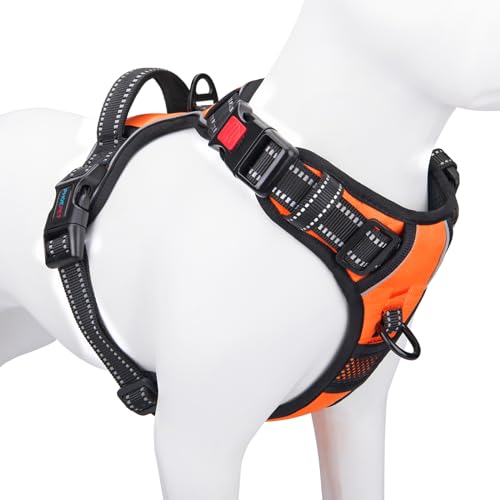
A dog harness step into design is one of the quickest ways to get a harness on a dog who does not enjoy having things pulled over the head. You lift each front leg through its own loop, bring the straps up and over the back, and fasten the buckle or clip. Done correctly, the harness sits flat on the chest and ribs, and the dog stays calm from the first step out the door.
What You Need Before You Start
Gather a few items so you are not fumbling while your dog shifts around. Having everything ready also makes the process faster and less stressful for both of you.
Shopping for one? See our guide: Buddy Belts Dog Harness vs Standard Step-In Harness: Which Should You Choose?.
- The harness, sized by chest girth (measure the widest part of the ribcage, just behind the front legs)
- A leash with a clip that matches the harness attachment point
- Treats for rewards during the process
- A calm, quiet spot with a non-slippery floor
Step-by-Step: Putting On a Step-In Harness
Most owners find that the process takes less than a minute once the dog understands the routine. Work slowly and let your dog set the pace.
- Lay the harness flat on the floor with the chest panel facing up and the buckle or clip at the bottom, closest to you.
- Guide one front leg into the first loop, then the other. Use gentle encouragement and a treat held near the nose.
- Bring the harness up along the chest and back. Pull the straps over the shoulders so the chest panel rests in the center of the breastbone.
- Fasten the buckle or clip along the back or side, depending on the design.
- Check the fit before you walk (see below).
How to Check the Fit
A harness that is too loose can slip, and one that is too tight can rub or restrict movement. Run through these checks every time you put it on, especially after your dog gains or loses weight.
- You should fit two fingers flat between the straps and your dog’s body.
- The chest panel should sit at the center of the breastbone, not up near the throat.
- The leg openings should not pinch the armpit or rub the inside of the front leg.
- Your dog should walk, sit and lie down without the harness shifting sideways.
Harness Sizing at a Glance
| Measurement | What to Look For |
|---|---|
| Chest girth | Measure around the widest part of the ribcage; match to the size chart |
| Neck (if needed) | Not used for step-in designs, which sit on the body |
| Strap adjustment | Leave room for two fingers under the straps |
Always confirm the exact measurements against the manufacturer’s size chart, since sizing varies between brands.
Common Mistakes to Avoid
- Skipping the fit check and assuming the buckle means it is secure.
- Forcing a leg through the loop instead of letting the dog step in on its own.
- Choosing a size by weight alone rather than chest girth.
- Leaving the harness on for long periods without checking for rubbing.
- Attaching the leash to the wrong ring, which can change how the harness sits.
Recommended Gear
Owners often find a few simple accessories make the routine smoother:
- A flat, padded step-in harness with adjustable straps is a common choice for dogs who dislike overhead harnesses. View on Amazon
- A soft, lightweight leash that clips to the chest or back ring keeps the harness balanced on walks. View on Amazon
- A treat pouch keeps rewards within reach so you can reinforce each step without fumbling. View on Amazon
FAQ
Is a step-in harness safe for every dog?
Most healthy dogs do well in a properly fitted step-in harness, but dogs with neck, back or joint conditions should be checked by a veterinarian before a new harness is used for walks.
How long does it take a dog to get used to a step-in harness?
Many dogs adjust within a few short sessions, especially when each step is paired with treats. Keep early sessions brief and end on a positive moment.
Can I leave a harness on my dog all day?
It is generally better to remove it when the dog is unsupervised or resting, and to check the skin for rubbing whenever it comes off. Ask your veterinarian if you have concerns about skin irritation.
Conclusion
Using a dog harness step into design comes down to laying it flat, guiding each leg through, fastening it and checking the fit. Take your time with the first few tries, and your dog will likely start stepping in on cue. Reading how to pick the right size and attachment point will help you get the most from every walk.
Related reading
- Walking Dog with a Harness: Step-by-Step Guide for Safe, Comfortable Walks
- Rough Wear Dog Harness: How to Pick One That Lasts
- PetSafe Easy Walk No-Pull Dog Harness: Fit and Use Guide (2026)
- Lifting Harness for Dog: 3 Best Options for Senior and Injured Dogs (2026)
- How to Wear a Harness for Dog: A Step-by-Step Guide for Beginners
Ready to choose one?
About Claire Whitaker
Claire Whitaker is part of our editorial team and reviews and edits our everyday pet gear guides, checking product details against manufacturer specifications and owner feedback.