 By Ethan Brooks
A granary automatic pet feeder is a gravity-style dispenser that stores dry food in a large hopper and releases measured portions on a timer. Used well, it keeps meals on schedule while you are at work, traveling, or out for the afternoon. This guide walks through how these feeders work, how to choose one, how to set portions and programming, and how to avoid the mistakes that cause most problems in daily use.
What a Granary Automatic Pet Feeder Does Well
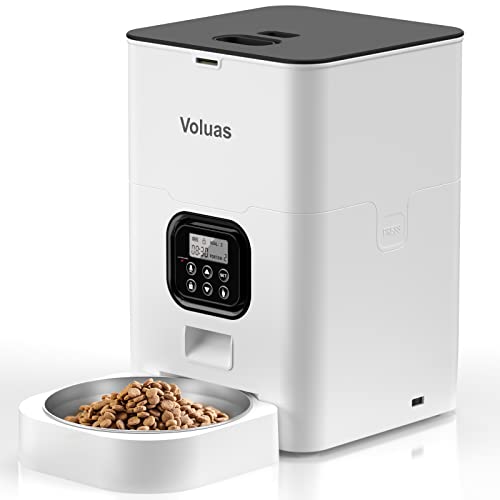
Most units in this category share the same basic design: a food reservoir sits above a rotating or sliding dispensing mechanism, a timer or control panel triggers each release, and a bowl or tray catches the portion. The main advantage is consistency. Meals arrive at the same time each day in the same amount, which helps with weight management and makes it easier to notice when a pet skips a meal or eats unusually fast.
Shopping for one? See our guide: Automatic Pet Feeder Petsafe (2026): Pros, Cons & Verdict.
These feeders are best suited to dry kibble. Wet food, fresh food, and treats with high moisture content can spoil in the hopper or clog the dispensing path. If your pet eats a mixed diet, plan to feed the wet portion by hand and use the automatic unit only for dry food.
Step 1: Decide What Your Feeder Needs to Handle
Before you compare models, write down the basics of your household. Feeders vary a great deal in hopper capacity, portion range, and the size of kibble they can pass through cleanly.
- Pet type and size: A small cat eating two meals a day needs very different capacity than a large dog eating three.
- Number of pets: Multi-pet homes need either separate feeders or a unit with individual compartments. Shared feeders often lead to one pet eating the other’s portion.
- Days away from home: Divide your hopper capacity by daily food use to see how many days it will last. Owners who travel for a weekend usually need more capacity than those who only work a standard shift.
- Kibble size: Check the feeder’s listed compatible kibble dimensions. Large or irregular pieces can jam the mechanism.
- Power source: Some units run on batteries, others on AC power with battery backup. A power outage without backup means missed meals.
Step 2: Set Up the Feeder Correctly
Setup mistakes account for most early frustrations. Work through this sequence the first time you install the unit.
- Place the feeder on a flat, stable surface away from direct sunlight, heaters, and water sources. Keep it out of reach of children and pets that might try to tip it.
- Insert batteries or connect the power adapter, and confirm the display powers on.
- Set the clock to the correct time and day. Timer errors often come from a clock set incorrectly, not a faulty feeder.
- Fill the hopper with dry food only. Do not add supplements, broken pieces, or dust from the bottom of the bag.
- Run a test dispense on the manual setting. Confirm the portion lands in the bowl and that the mechanism does not stall.
- Place the bowl or tray directly under the outlet, and check that the food falls into it without bouncing out.
Step 3: Calculate Portions and Feeding Schedule
Portion size is the single most important setting. Start with your food manufacturer’s feeding guide, which lists amounts by body weight and activity level. Your veterinarian can adjust that number based on age, body condition, and health. Remember that the guide is a starting point, not a target you must hit exactly every day.
A practical approach looks like this:
- Find the daily total from the food label or your vet’s recommendation.
- Divide that total by the number of meals you plan to schedule.
- Round to the nearest increment the feeder allows. Many units dispense in fixed steps, so a 1/8-cup step matters more than it sounds.
- Schedule meals at consistent times. Spacing them roughly evenly through the day suits most adult dogs and cats.
Example Portion Calculation
Suppose your dog’s food label recommends 3 cups per day, and your vet agrees. You plan two meals. Divide 3 cups by 2 to get 1.5 cups per meal. If the feeder dispenses in quarter-cup steps, set it to six steps per meal. Check the result after a week by weighing the hopper’s refill against the days elapsed, and adjust if your dog’s weight trends up or down.
Feeding Schedule Table
| Pet Type | Typical Meals Per Day | Common Schedule | Notes |
|---|---|---|---|
| Adult dog | 2 | 7:00 AM and 6:00 PM | Spacing around 10–12 hours suits most dogs. |
| Puppy | 3–4 | Every 4–6 hours while awake | Young dogs need more frequent meals; confirm with your vet. |
| Adult cat | 2–4 | Split into small, frequent portions | Many cats do better with several small meals than two large ones. |
| Senior pet | 2–3 | Consistent times, smaller portions | Appetite and weight can change; reassess the schedule regularly. |
Step 4: Test and Monitor the First Two Weeks
Do not assume the first setting is correct. For the first two weeks, check the bowl after each scheduled meal to confirm the pet ate it, and note any leftovers. Weigh your pet at the same point each week. If food is consistently left behind, reduce the portion one step. If your pet is losing weight or seems hungry between meals, discuss adjustments with your vet before changing the amount.
Keep a simple log with dates, portion settings, and any notes on appetite or stool quality. This record helps your vet spot patterns quickly.
Step 5: Maintain the Feeder
Food dust and oils build up in the hopper and mechanism over time. Clean the unit according to the manufacturer’s instructions, typically every one to two weeks for dry food. Unplug or remove batteries before cleaning. Wipe the hopper with a dry cloth, and use a mild soap solution only on surfaces the manual permits. Avoid soaking any electronics.
Replace batteries on a schedule rather than waiting for failure, and keep a spare set on hand. Check that the bowl and dispensing path are free of crumbs before each refill.
Checklist: Before You Rely on a Granary Automatic Pet Feeder
- Hopper capacity covers your planned absence with a margin of at least one extra day.
- Kibble size is listed as compatible with your food.
- Portion increments match your feeding targets.
- Clock and schedule are set and verified with a test dispense.
- Backup power or spare batteries are in place.
- Bowl sits directly under the outlet and is stable.
- Your pet has been introduced to the bowl and eats from it reliably.
Common Mistakes
- Using wet food or treats in the hopper. Moisture causes clogs and spoilage. Stick to dry kibble.
- Ignoring kibble size. Oversized or uneven pieces jam the mechanism, and the feeder may run without dispensing.
- Skipping the test dispense. A feeder that has never been run on manual is a feeder you cannot trust.
- Setting the wrong clock time. Daylight saving changes and battery swaps often reset the clock.
- Feeding one bowl to multiple pets. Shared feeding leads to uneven intake and possible conflict.
- Never adjusting portions. Pets gain or lose weight over time. Recheck the amount regularly.
- Relying on the feeder during illness. A pet that stops eating needs attention, not a schedule. Watch appetite closely.
Recommended gear
Several accessories make a granary automatic pet feeder easier to run day to day.
- Digital kitchen scale: Weighing portions and refills is the most reliable way to confirm what your pet eats each day. View on Amazon
- Replacement batteries in bulk: Keeping a spare set on hand prevents missed meals when a battery dies. View on Amazon
- Dry food storage container with airtight lid: Keeps kibble fresh between refills and reduces dust that can clog the hopper. View on Amazon
- Stainless steel feeding bowl with a non-slip base: A stable bowl prevents the feeder’s outlet from being knocked out of position. View on Amazon
FAQ
Can a granary automatic pet feeder handle wet food?
Most models are designed for dry kibble only. Wet food can spoil in the hopper and clog the dispensing mechanism. Feed wet food by hand and use the automatic unit for dry meals.
How do I know if the portion size is right?
Weigh your pet regularly, check whether food is left in the bowl, and watch body condition. Adjust in small steps and confirm changes with your veterinarian.
What happens if the power goes out?
It depends on the model. Units with battery backup keep dispensing on schedule. Feeders without backup stop until power returns, so keep a plan for missed meals or choose a battery-powered unit.
How often should I clean the feeder?
Typically every one to two weeks for dry food, following the manufacturer’s instructions. Dust and oil buildup can cause jams and affect portion accuracy.
Can I use one feeder for two cats?
It is not recommended. Shared feeding makes it hard to know how much each cat eats. Use separate feeders or a multi-compartment unit.
Why did the feeder skip a meal?
Common causes include an incorrect clock setting, an empty hopper, a jammed outlet, or dead batteries. Check each of these before assuming the unit is faulty.
Is an automatic feeder safe for a senior or sick pet?
Automatic feeders can help maintain routine, but pets with medical conditions or reduced appetite need closer monitoring. Consult your veterinarian before setting a schedule for a sick or elderly animal.
Do I still need to check on my pet while the feeder is running?
Yes. A feeder dispenses food but cannot confirm that your pet is eating. Check bowls after meals, watch for changes in appetite or weight, and contact a veterinarian if eating habits shift noticeably.
Conclusion
A granary automatic pet feeder works best when you match its capacity and kibble compatibility to your pet, set portions from a reliable starting point, and test before you trust it. Keep a simple log, weigh your pet regularly, and adjust in small steps. For health concerns or changes in appetite, check with your veterinarian before changing the schedule.
Related reading
- Wopet Automatic Pet Feeder with Camera: 5 Best Picks Compared (2026)
- Wopet Automatic Pet Feeder User Manual: Step-by-Step Setup Guide
- Wopet Automatic Pet Feeder Setup: 7 Best Picks Compared (2026)
- Wopet Automatic Pet Feeder Set Up: 5 Best Picks Compared (2026)
- Wopet Automatic Pet Feeder Red Light: 9 Best Picks Compared (2026)
Ready to choose one?
About Ethan Brooks
Ethan Brooks is part of our editorial team and reviews and edits our everyday pet gear guides, checking product details against manufacturer specifications and owner feedback.