By Claire Whitaker
Updated November 2026
A pet carrier Juicy Couture design can look great, but the right choice depends on whether it fits your pet, meets your travel needs and holds up to daily use. This guide walks you through how to judge a designer-style carrier on the factors that actually matter: sizing, airline compliance, ventilation, latching, and cleaning. By the end, you will know how to compare options and avoid the common mistakes that send people back to the store.
What “Juicy Couture” Usually Means in the Pet Carrier Market
When shoppers search for a pet carrier Juicy Couture, they are usually looking for a soft-sided carrier with a branded or fashion-inspired look, often in pink, quilted or patterned fabric. Juicy Couture has been a licensed name on pet accessories, so you may find carriers marketed under that name, or similar fashion-style carriers from other brands. Check the actual product listing for the manufacturer, model and dimensions rather than relying on the design alone.
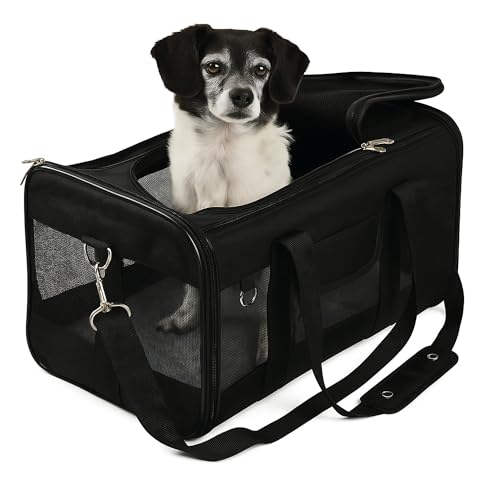
Fashion carriers tend to share a few traits. They are usually soft-sided, often with mesh panels, a zippered door and a shoulder strap. Many are designed for small dogs and cats under about 15 pounds. Because the styling is the selling point, the construction can vary a lot, so the specs deserve close attention.
Step 1: Measure Your Pet Before You Shop
Size is the most common reason a carrier gets returned. Measure your pet while it is standing in a natural position, then compare those numbers to the carrier’s interior dimensions, not the exterior ones.
- Measure length from the base of the neck to the base of the tail.
- Measure height from the floor to the top of the head or ears, whichever is taller, with the pet standing.
- Measure weight on a bathroom scale, holding the pet and subtracting your own weight.
- Add 1 to 2 inches to the length and height measurements to allow room to turn around and lie down comfortably.
- Check the carrier’s listed internal dimensions against these numbers.
Manufacturers often list external dimensions, and the padding and mesh can reduce usable space by an inch or more. If the listing does not show internal measurements, contact the seller before buying.
Step 2: Check Airline and Travel Requirements
If you plan to fly, a fashion carrier needs to meet airline rules, not just look good. Most airlines measure carriers against under-seat limits, and many specify that the pet must be able to stand, turn and lie down. Soft-sided carriers are generally more flexible in tight spaces, but the exact limits vary by airline and sometimes by aircraft.
Before you buy, look up your airline’s current pet policy and confirm the under-seat dimensions. The International Air Transport Association publishes a container standard that many carriers reference, and you can learn more in What Is the International Air Transport Association Pet Carrier Standard? Airline rules change, so check the official site for current requirements and call ahead to confirm before travel.
For a broader comparison of soft and hard options for flights, see Pet Carrier Flight Approved: 4 Best Options for Air Travel (2026) and Soft vs Hard Pet Carriers (and Backpacks vs Totes).
Soft-Sided vs. Hard-Sided for Your Situation
Soft carriers fold down, fit into tight spaces and are easier to carry for short trips. Hard carriers protect better in cargo, resist chewing and are easier to clean. Your choice depends on how you travel.
| Factor | Soft-Sided (Fashion Style) | Hard-Sided |
|---|---|---|
| Under-seat fit | Flexes to fit tighter spaces | Fixed shape, must match limits exactly |
| Ventilation | Mesh panels, varies by design | Usually vents on sides and door |
| Cleaning | Machine washable on many models | Wipe-clean interior, easier to sanitize |
| Chew resistance | Lower, suited to calm pets | Higher |
| Carrying comfort | Shoulder strap common | Handle-based, can be heavier |
Step 3: Evaluate Ventilation and Safety Features
Ventilation matters more than appearance. Look for mesh on at least two sides, with openings small enough that a paw or nose cannot poke through the gaps. Solid fabric panels on the sides or back are fine if mesh is also present on the front door.
Check the Closures
Zippers are the most common failure point on soft carriers. Look for:
- Double zipper pulls that can be secured with small clips or lock tabs
- Zippers that run smoothly and do not snag on the fabric
- A door that stays closed when the carrier is tilted or dropped
- Secure attachment points for the shoulder strap
Floor and Padding
A removable, washable pad helps with hygiene, and a firm base keeps the pet from sinking. Some owners find that a thin, washable fleece pad works better than thick padding, which can overheat small pets in warm weather.
Step 4: Test the Fit and Comfort Before Use
Once the carrier arrives, do a short trial at home before any trip. Place a treat inside, close the door, and watch whether your pet settles or panics. Let the pet go in and out on its own for several days before travel. Carriers that feel stressful at home will feel worse on a flight.
Also check how the carrier sits on your body. A shoulder strap should distribute weight comfortably, and the carrier should not swing hard when you walk. For more on sizing carriers for larger pets, see Pet Carrier Medium Dog: How to Choose the Right Size and Style (2026).
Checklist Before You Buy
- Measured pet length, height and weight
- Confirmed internal carrier dimensions, not just external
- Checked airline under-seat limits, if flying
- Mesh ventilation on at least two sides
- Secure, double-pull zippers with locking options
- Removable, washable floor pad
- Comfortable shoulder strap with padding
- Return policy confirmed in case of poor fit
Common Mistakes When Buying a Designer Carrier
- Choosing by looks alone. A striking design that is too small or poorly ventilated will cause stress and may be refused at check-in.
- Buying for current size only. If your pet is still growing, or you may add a larger pet later, measure for the future.
- Ignoring the exterior-versus-interior gap. Padding and mesh can cut usable space noticeably.
- Skipping the home trial. Introduce the carrier before the day of travel.
- Overloading the carrier. Pets should not be squeezed in, and carriers should not hold extra bags, which can crush the mesh.
- Assuming all airlines use the same rules. Always confirm with the specific carrier you are flying.
Tips for Long-Term Use
- Spot-clean the exterior weekly and wash the pad after every trip.
- Inspect zippers and seams monthly for loose threads or weak stitching.
- Store the carrier flat, away from direct sun, which can fade fabric.
- Keep a small repair kit or spare pad if the carrier is used often.
Recommended gear
Several accessories can make a fashion carrier more practical for everyday travel and vet visits.
- Washable fleece carrier pad: A removable pad that is easy to wash keeps the interior fresh after accidents or long trips. View on Amazon
- Soft carrier with mesh panels: Mesh on multiple sides helps airflow during warm-weather travel. View on Amazon
- Carrier zipper locks: Small clips or locks prevent the door from opening if a pet paws at the zipper. View on Amazon
- Enzymatic pet stain cleaner: Helps remove odors from carrier fabric after accidents. View on Amazon
FAQ
Is a pet carrier Juicy Couture style safe for flying?
It can be, if it meets your airline’s size limits and has secure closures and good ventilation. Always check the airline’s current policy and confirm the under-seat dimensions before you book.
How do I know if the carrier is big enough?
Compare your pet’s measurements, plus one to two inches of extra room, against the carrier’s internal dimensions. Your pet should be able to stand, turn around and lie down without pressing against the walls.
Can small dogs and cats both use these carriers?
Many fashion-style carriers are sized for small dogs and cats, but the limits differ. Check the weight and dimension guidance in the product listing and choose based on your pet’s actual size.
Are soft carriers less safe than hard ones?
Soft carriers are not inherently less safe for calm pets, but hard carriers generally offer more protection against impact and chewing. Choose based on your pet’s temperament and how you travel.
How often should I wash the carrier?
Wash the removable pad after every trip and wipe down the interior weekly. Deeper cleaning can be done when stains or odors build up, following the manufacturer’s care label.
What if my pet refuses to enter the carrier?
Leave the carrier out at home, add familiar bedding and offer treats inside. Short, positive sessions over several days work better than forcing the pet in. If anxiety is severe, consult your veterinarian for advice.
Should I use a carrier with wheels?
Wheels can help for long walks through airports, but they add weight and bulk. Check whether the carrier still fits under the seat with the wheel base attached. For related options, see Wheels for Pet Carrier (2026): Which Should You Choose?.
Conclusion
A pet carrier Juicy Couture style can be a good choice when it meets the basics: correct internal size, secure closures, real ventilation and a comfortable fit for your travel plans. Measure your pet, confirm airline rules, and test the carrier at home before your trip. A carrier that looks good and works well every day is the one worth buying.
Ready to choose one?
About Claire Whitaker
Claire Whitaker is part of our editorial team and reviews and edits our everyday pet gear guides, checking product details against manufacturer specifications and owner feedback.