 By Ethan Brooks
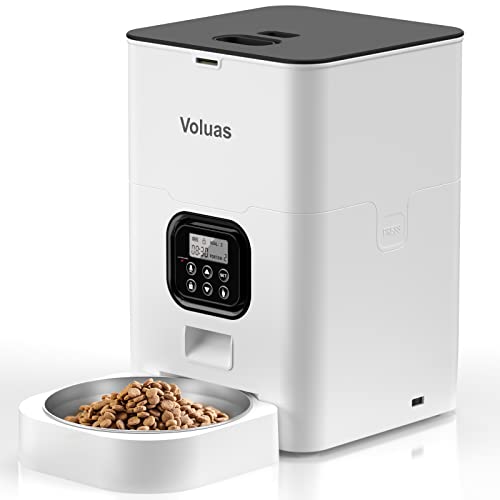
The pet ultra automatic feeder manual is the fastest route to a feeder that actually works on your schedule. In this guide, you will learn how to locate the correct manual for your model, what each section covers, how to set up portions and meal times, and how to test the unit before you leave pets alone with it. Most problems owners report come from skipping a few setup steps, so we walk through those too.
Why the Pet Ultra Automatic Feeder Manual Matters Before You Start
Automatic feeders look simple, but they combine a motor, a food hopper, a timer and sometimes a battery backup. Each part has specific tolerances. The manual tells you the correct kibble size, the maximum portion per cycle, how the lid locks and what the indicator lights mean. Manufacturers specify these details because guessing tends to cause jams, uneven portions or dispensing when the lid is not seated.
Before you open the box, read the safety and warning pages first. Pay attention to any statement about choking hazards, power cord placement and whether the unit is rated for wet food. If your pet has health conditions that affect feeding, consult your veterinarian before setting portions or meal frequency. For a deeper look, Automatic Pet Feeder Arduino: Build a Timed Feeder Step by Step covers this in detail.
Finding the Right Manual for Your Model
Model numbers matter. Two feeders sold under similar names can use different hopper sizes or control panels. Check the label on the underside of the base or the back of the hopper lid, then match it against the manual cover.
- Locate the model number printed on the product label.
- Check the manufacturer’s support page for a downloadable PDF matching that number.
- Save a copy to your phone or computer so you can reference it while the unit sits in your kitchen.
- Keep the printed insert, if included, with the original packaging in case you need to return the unit.
If the manual is missing, contact the manufacturer with the model number and purchase details. Do not rely on a generic manual for a different feeder, since button layouts and timer logic vary.
Step-by-Step Setup Using the Manual
Follow the manual’s order, even if you think you know how a feeder works. The sequence below mirrors what most automatic pet feeder guides describe, but always defer to your model’s specific instructions.
Step 1: Assemble the Hopper and Bowl
Snap the hopper onto the base until it clicks. Check that the food tray or bowl sits flat and does not rock. A tray that sits even slightly off can cause uneven dispensing. Wipe any plastic residue from the factory before adding food. A related read: Fattie Paw Automatic Pet Feeder: Setup, Portions and Daily Tips.
Step 2: Connect Power and Check the Battery
Plug the adapter into a grounded outlet away from water sources. If your model accepts batteries for backup, install them according to the polarity markings in the manual. Many owners report that the clock resets after a power loss, so a backup battery is worth checking during setup.
Step 3: Set the Clock and Meal Times
Set the current time first. A wrong clock means every scheduled meal fires at the wrong hour. Then enter meal times. Most feeders allow several meals a day. Space them to match your pet’s routine, and avoid placing a meal right before a long period when you cannot check the unit.
Step 4: Set Portion Sizes
Portion settings are usually expressed in cups, grams or dispensing units depending on the model. Use the manual’s conversion chart if one is included. Start with the amount your veterinarian or the food label recommends, then adjust gradually. Recheck the portion after the first full day. For another angle, check out 7 Best Smartlife Automatic Pet Feeder Models Compared (2026).
Step 5: Run a Test Dispense
Use the manual test function, or set a meal a few minutes ahead, and confirm that food reaches the bowl without spilling or sticking. Weigh a test portion on a kitchen scale if accuracy matters for your pet. For another angle, check out 5 Best Sailnovo Automatic Pet Feeder Picks Compared (2026).
Key Settings and What They Control
| Setting | What It Controls | What to Check in the Manual |
|---|---|---|
| Clock | Accuracy of scheduled meals | How the clock resets after power loss |
| Meal times | When dispensing starts | Maximum number of meals per day |
| Portion size | Amount per cycle | Unit of measure and maximum per cycle |
| Lid lock | Prevents tampering and spillage | Correct seating and locking position |
| Backup power | Keeps schedule during outages | Battery type and replacement interval |
Common Mistakes to Avoid
- Using the wrong food size. Large kibble can jam the auger. Check the manual for maximum piece size.
- Filling past the fill line. Overfilling can cause clogs and uneven portions.
- Ignoring moisture. Damp or sticky food clumps in the hopper. Keep the unit dry and clean.
- Forgetting the clock after an outage. Check the display after any power interruption.
- Skipping the test run. Test before you leave pets alone with the feeder.
- Setting portions by guesswork. Confirm amounts with your veterinarian, especially for pets with weight or medical concerns.
Tips for Reliable Daily Use
- Clean the bowl and hopper weekly with warm water and mild soap, then dry completely.
- Store unused food in a sealed container to keep it dry and fresh.
- Place the feeder on a stable, level surface away from direct sun and heat sources.
- Keep a written log for the first two weeks to confirm your pet is eating the expected amount.
- If the feeder stops working, check the troubleshooting section of the manual before contacting support.
For broader setup guidance across different brands, see How to Evaluate Automatic Feeders and Pet Fountains and Automatic Pet Feeders: Timers, Portions and Backup Power. If your unit is misbehaving, Automatic Pet Feeder Not Dispensing Right? Troubleshooting covers the most common causes.
Recommended gear
A few accessories make the feeder easier to maintain and more reliable day to day. For a deeper look, Wopet Automatic Pet Feeder Troubleshooting: Fix 6 Common Problems covers this in detail.
- Stainless steel bowl set for automatic feeders: Easier to wipe clean than plastic and less likely to hold odors. View on Amazon
- Airtight pet food storage container: Keeps kibble dry and sealed between refills. View on Amazon
- Replacement backup batteries for pet feeder: Helps maintain the schedule during outages, as long as you match the battery type in the manual. View on Amazon
For a wider look at feeding accessories, see Pet Food Storage Containers: Sizing and Keeping Food Fresh.
FAQ
Where can I find the pet ultra automatic feeder manual?
Check the manufacturer’s support website using the model number printed on the feeder label. Many brands host downloadable PDFs there. If you cannot locate one, contact the company directly. We also found Gardner Pet Automatic Feeder: A Step-by-Step Guide for Beginners useful on this point.
Why is my feeder dispensing the wrong amount?
Common causes include the wrong food size, moisture in the hopper, or an incorrectly set portion. Compare your settings to the manual and run a test dispense. The troubleshooting section of the manual lists additional fixes.
Can I use wet food in an automatic feeder?
Most automatic feeders are designed for dry kibble. Check the manual before using wet food, since it can spoil and clog the mechanism.
What happens if the power goes out?
It depends on the model. Some feeders keep their schedule on battery backup, while others reset the clock. Check the manual for your unit’s behavior and set a reminder to verify the time after any outage.
How often should I clean the feeder?
Wipe the bowl and hopper weekly, and do a deeper clean monthly. Follow the cleaning instructions in the manual to avoid damaging the motor or seals.
Can an automatic feeder replace my presence entirely?
No. A feeder is a supplement to, not a substitute for, regular check-ins. Monitor your pet’s appetite, weight and behavior, and consult your veterinarian if eating habits change.
How do I know the portion size is right?
Start with your veterinarian’s or the food label’s recommendation, then monitor body condition and weight over several weeks. Adjust gradually and recheck with your vet if you notice changes.
Conclusion
The pet ultra automatic feeder manual is your best guide to setup, portion control and troubleshooting. Locate the manual for your exact model, follow the setup steps in order, and run a test before relying on the schedule. Clean the unit regularly and keep an eye on your pet’s eating habits, and consult your veterinarian with any health questions.
Related reading
Ready to choose one?
About Ethan Brooks
Ethan Brooks is part of our editorial team and reviews and edits our everyday pet gear guides, checking product details against manufacturer specifications and owner feedback.