 By Ethan Brooks
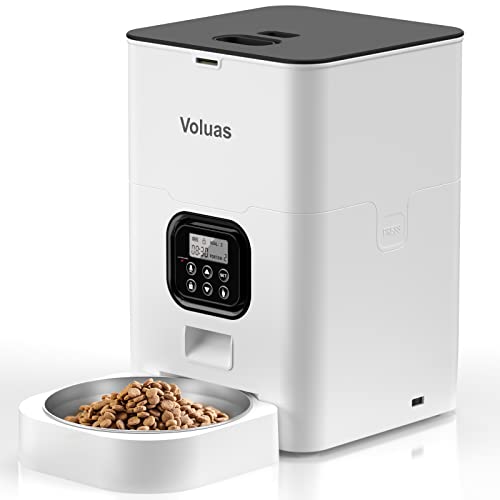
The pet ultra automatic feeder is a programmable bowl-style dispenser built for owners who want scheduled meals without being home at every feeding time. It suits households with one or two dogs or cats on predictable routines, especially people who work long shifts or travel a few days a month. It is less suitable for multi-pet homes that need separate portions for each animal, for owners who want a camera or two-way audio, or for anyone who relies on wet food as the main diet, since most dry-food dispensers struggle with moist or fresh recipes. This review is based on manufacturer specifications and patterns in owner feedback, not on hands-on testing.
Product Overview
The pet ultra automatic feeder belongs to the gravity-free, timer-driven category of pet dispensers. A hopper holds dry kibble, a motor-driven auger or drop mechanism releases preset portions into a bowl at scheduled times, and a small control panel or companion app handles programming. The design is aimed at everyday use rather than specialty diets: it is meant for routine feeding of dry food across breakfast, dinner and an optional snack.
Most units in this class share a common layout: a lidded food reservoir, a removable bowl, a power source (usually a wall adapter with battery backup), and a set of buttons or a small display for setting meal times and portion counts. Owners generally use these feeders in two ways. Some set one or two meals a day for a healthy adult pet and leave the rest to the pet’s normal routine. Others use the feeder to stagger meals for animals that need smaller, more frequent portions. Before buying, it is worth reading the manufacturer’s manual and confirming which kibble sizes the dispenser handles, since oversized or irregular pieces can jam the mechanism. For setup steps and troubleshooting, see the Pet Ultra Automatic Feeder Manual: Setup, Programming and Troubleshooting Steps.
Key Features & Specifications
The table below lists the characteristics most owners and manufacturers commonly describe. Confirm exact figures on the product listing before purchase, as model revisions can change capacity or power details.
| Feature | What It Means in Practice |
|---|---|
| Food type | Designed for dry kibble; not intended for wet or fresh food |
| Meal scheduling | Multiple daily meal slots with preset portion settings |
| Hopper capacity | Check listing; sized for several days of feeding for one or two pets |
| Portion control | Adjustable per-meal portions, typically set in small increments |
| Power | Mains adapter with battery backup to keep schedules running during outages |
| Bowl | Removable, usually dishwasher-safe per manufacturer; confirm on the spec sheet |
| Lid and locking | Sealed or latching lid to limit moisture and pet access to the hopper |
Two features deserve a closer look. Battery backup matters more than many buyers expect: a feeder that loses its clock during a short outage may dispense at the wrong time or not at all. Also check whether the lid seals fully, since humidity is the most common cause of clumping and spoilage in dry-food hoppers.
Pros & Cons
Pros
- Straightforward scheduling suitable for routine daily feeding
- Portion settings that help owners track intake for pets on measured diets
- Removable bowl and lid simplify cleaning compared with fixed-bowl designs
- Battery backup helps protect schedules during brief power interruptions
- Works well for single-pet households with predictable eating habits
Cons
- Limited to dry food; not a fit for wet or mixed-diet routines
- Kibble size and shape can affect reliable dispensing
- Not designed for separate portions across several pets without extra hardware
- Owners sometimes report occasional jams with irregular or dusty kibble
- Few or no built-in monitoring features such as cameras or two-way audio
Performance Analysis
Performance in this category comes down to three things: whether meals arrive on time, whether portions are consistent, and whether the food stays fresh. Based on manufacturer specifications and common owner reports, the pet ultra automatic feeder is generally rated for reliable scheduled dispensing with dry food. Timing accuracy tends to hold up well when the unit stays plugged in or has a working battery, which makes battery condition worth checking every few months.
Portion consistency depends heavily on kibble. Uniform, mid-sized pieces dispense cleanly, while very small crumbs, dusty kibble or oversized pieces can cause partial portions or jams. Owners who switch brands often report needing to recalibrate portion settings. Moisture control is the other variable: a tight lid and a dry location significantly reduce clumping, and most spoilage complaints trace back to humidity or leaving old food in the hopper too long rather than to the mechanism itself.
Noise is usually modest but noticeable in quiet rooms during dispensing. Placement on a hard floor can amplify sound, so a small mat helps. Overall, the unit appears best suited to steady routines rather than constantly changing schedules.
Who Should Buy This Product?
The pet ultra automatic feeder is a reasonable choice for owners of one or two adult dogs or cats who eat dry food on a regular schedule, people with predictable absences of a few hours, and households that want to reduce how often they measure and pour meals. It also fits owners managing a pet on a measured diet who want portion records kept automatically.
Skip this model if your pet eats wet food as the main meal, if you have several animals needing individually controlled portions, if you want live camera monitoring, or if your pet is a rapid eater that tends to bolt food and may need a slow-feed design. Pets with medical conditions that require precise intake should be managed with a veterinarian’s guidance rather than relying on any automatic dispenser alone.
Buying Guide
Before purchasing any automatic feeder, measure your pet’s daily requirement from the food label or your veterinarian’s recommendation, then confirm the unit’s portion increments can match it. Check hopper capacity against how long you expect to be away. Test your kibble’s size and shape against the manufacturer’s compatibility notes, and look for a lid that seals tightly. For a broader framework, see How to Evaluate Automatic Feeders and Pet Fountains.
If you are comparing options, these well-known alternatives cover similar ground:
- PetSafe Two Meal Automatic Pet Feeder – a dual-meal design that suits owners who want two scheduled servings a day. View on Amazon
- PetLibro Air Automatic Pet Feeder – a Wi-Fi-enabled option for owners who want app-based control and schedule changes from anywhere. View on Amazon
- Petmate Automatic Pet Feeder – a simple, budget-minded timer dispenser for owners who need basic scheduled feeding without extra features. View on Amazon
For a closer look at specific models in these categories, related guides such as PetSafe Two Meal Automatic Pet Feeder Review: Is It Worth It? and PetLibro Air Automatic Pet Feeder Review: Features and Performance go deeper into features and setup.
FAQ
Does the pet ultra automatic feeder work with wet food?
Manufacturers generally design this type of feeder for dry kibble. Wet or fresh food can spoil quickly in the hopper and may clog the dispensing mechanism, so use it only with dry food unless the manufacturer explicitly states otherwise.
How many meals can I schedule per day?
Check the current manual for the exact number of meal slots. Most feeders in this class allow several scheduled meals, which is enough for typical two-to-three-meal routines.
What happens if the power goes out?
Battery backup is intended to keep the clock and schedule running during brief outages. Owners should confirm battery type and check it periodically, since a dead battery can reset timing after a power loss.
Can I use it for more than one pet?
A single unit typically dispenses to one bowl, so multi-pet households usually need separate feeders or a different product designed for multiple pets. Shared feeding can also cause one animal to eat another’s portion.
Why does my kibble sometimes jam the feeder?
Jams are most often caused by oversized pieces, dust or crumbs bridging the opening, or humidity causing clumps. Use kibble that fits the manufacturer’s size guidance and clean the hopper regularly.
How often should I clean the feeder?
Empty and wipe the hopper and bowl at least every one to two weeks, or sooner in humid environments. Remove old food completely before refilling so fresh kibble is not mixed with stale product.
Should I rely on an automatic feeder for a pet with a health condition?
No. Pets with medical needs, weight issues or prescription diets should follow a veterinarian’s feeding plan. Consult a veterinarian before using any automatic dispenser as the primary way to manage a pet’s intake.
Final Verdict
The pet ultra automatic feeder is a practical, straightforward choice for owners who need scheduled dry-food meals for one or two pets on a steady routine. Its strengths are simple programming, portion control and battery-backed timing; its limits are dry-food-only use, sensitivity to kibble quality and the absence of advanced monitoring. If your household matches that profile, it is worth a close look. If not, the alternatives above may serve you better.
View on Amazon
Related reading
- Wopet Automatic Pet Feeder Setup: 7 Best Picks Compared (2026)
- Wopet Automatic Pet Feeder Manual: Setup, Programming and Troubleshooting Guide
About Ethan Brooks
Ethan Brooks is part of our editorial team and reviews and edits our everyday pet gear guides, checking product details against manufacturer specifications and owner feedback.