 By Claire Whitaker
Updated November 2026
An ez walker dog harness is a step-in or over-the-head style harness with a front clip designed to make daily walks easier to manage. This guide explains how to choose the right size, fit it correctly, and check that it stays comfortable and secure once your dog is moving. By the end, you will know how to measure your dog, put the harness on without fuss, and spot the problems that cause slipping, chafing, or escape attempts.
What an EZ Walker Dog Harness Is Designed to Do
The EZ walker style is generally built as a vest-style harness with a chest panel, a back panel, and adjustable straps at the sides and belly. Owners often choose this type because the leash attaches at the front of the chest, which can reduce pulling compared with a back-clip setup. Front clips do not train a dog to stop pulling on their own, but they give you more steering control during walks.
Shopping for one? See our guide: Buddy Belts Dog Harness vs Standard Step-In Harness: Which Should You Choose?.
Before you buy or adjust one, confirm the exact model and sizing chart with the manufacturer. Sizing varies between brands and even between product lines, so a size M from one company may not match a size M from another. Treat any chart you find online as a starting point and verify it against the one published for the specific product.
Step 1: Measure Your Dog Accurately
Good fit starts with measurements, not guesses. Use a soft fabric tape measure and take readings with your dog standing square and relaxed.
- Chest girth: Measure around the widest part of the ribcage, just behind the front legs. Keep the tape snug but not tight enough to compress the fur.
- Neck circumference: Measure where a collar normally sits, usually where the neck meets the shoulders. Allow room for two fingers under the strap.
- Body length: Measure from the base of the neck to the base of the tail, if the sizing chart asks for it.
- Weight: Note your dog’s current weight. Use it only as a cross-check, since weight alone can mislead for deep-chested or very lean dogs.
Compare these numbers against the manufacturer’s chart. If your dog falls between two sizes, many owners find the larger size fits better for daily walking, though you should confirm the chest adjustment range before deciding.
Step 2: Put the Harness On Correctly
Step-in designs are the most common for this style. Lay the harness flat on the floor with the chest panel facing up and the leg loops open. Then follow this order:
- Have your dog stand still and calm. A treat or a second person holding the dog’s collar helps.
- Guide each front leg through the matching opening, one at a time, and lift the harness up the chest.
- Bring the buckle or strap across the back and fasten it. Do not force the buckle if it does not close easily; recheck the sizing first.
- Adjust the side straps so the chest panel sits flat against the sternum, not up near the throat.
For more detail on the general process, see How to Put On a Dog Body Harness: A Step-by-Step Guide for Beginners and How to Wear a Harness for Dog: A Step-by-Step Guide for Beginners.
Step 3: Check the Fit Before Every Walk
A harness can look correct when stationary and still shift during movement. Run these checks each time you go out:
- Two fingers should slide flat under every strap, at the chest and along the sides.
- The chest panel should sit on the breastbone, not on the throat or the belly.
- The front leg openings should be snug at the armpit without pinching or rubbing.
- Straps should not twist, bunch, or ride up toward the shoulders.
- The leash clip should hang at the center of the chest, not off to one side.
Watch your dog walk for a few steps. A harness that rocks side to side, lifts at the front, or lets the chest panel slide toward the neck needs readjustment.
Step 4: Introduce the Harness Gradually
Many dogs accept a harness faster when it is paired with positive experiences. Let your dog sniff the harness, then put it on for a few seconds at a time, rewarding calm behavior. Increase wear time over several days. Keep the first outdoor walks short and in a low-distraction area.
If your dog freezes, rolls over, or tries to back out of the harness, slow down. Forcing the process usually creates a long-term aversion. For a dog that stiffens or resists harnesses in general, How to Use a Dog Harness Correctly: Step-by-Step Fit and Walking Tips covers more handling approaches.
Walking Technique for Better Control
The front clip gives you steering influence, but technique matters. Hold the leash with a relaxed grip and keep it short enough to avoid a tight line, yet loose enough that your dog can walk comfortably at your side. When your dog begins to pull, stop walking. Resume only when the leash slackens. Repeat this many times on a typical walk, and your dog will gradually learn that forward pressure does not move the walk forward.
If your dog pulls hard or lunges, consider adding a second, shorter leash or a training collar as a backup, and consult a certified trainer or veterinary behaviorist for persistent problems. For a broader view of harness choices, Front-Clip vs Back-Clip Dog Harness: Which One Is Better? compares the two approaches.
Common Mistakes to Avoid
| Mistake | What It Causes | Fix |
|---|---|---|
| Sizing by weight alone | Harness too loose at the chest or too tight at the neck | Measure chest and neck, then check the chart |
| Chest panel riding high | Pressure on the throat and poor steering | Tighten the belly strap and reposition the panel |
| Leaving it on all day | Rubbing, matting, and skin irritation | Remove the harness during rest and check the skin |
| Ignoring wear marks | Frayed webbing and failed buckles | Inspect stitching and hardware weekly |
| Clipping to the wrong ring | Uneven pull and twisting | Use the chest-center attachment point only |
Tips for Long-Term Comfort and Durability
- Check for hot spots, redness, or hair loss under the straps after the first week.
- Wash the harness according to the manufacturer’s care label, and let it air dry fully before wearing.
- Adjust the fit as your dog gains or loses weight, or as the coat changes with the seasons.
- Keep a spare set of buckles or a repair kit if your model uses replaceable parts.
- Retire the harness when webbing shows fraying, stitching loosens, or the buckle no longer locks firmly.
Recommended gear
These items support the fitting and walking routine described above. Check current specifications on each listing before buying.
- Soft fabric tape measure: Accurate chest and neck readings are the foundation of correct sizing for any harness. View on Amazon
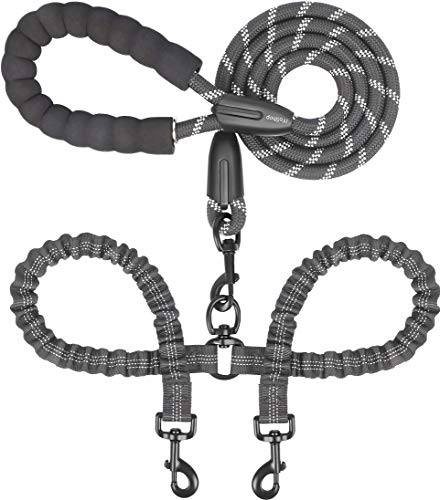
- Standard six-foot leash with a bolt snap: A secure, easy-to-grip leash pairs well with a front-clip harness for everyday walks. View on Amazon
- Small training treats: Soft, low-calorie rewards help dogs associate the harness with positive moments during fitting. View on Amazon
FAQ
How do I know if my EZ walker dog harness is the right size?
Measure chest girth and neck circumference, then compare them to the manufacturer’s sizing chart. The chest panel should sit flat, and two fingers should fit under each strap.
Can I leave the harness on my dog all day?
It is best to remove it during rest periods and at night. Constant wear can cause rubbing, matting, and skin irritation, so check the skin each time you take it off.
Will a front-clip harness stop my dog from pulling?
A front clip gives you more steering control but does not train a dog to stop pulling by itself. Pair it with consistent leash handling, and consider professional training for persistent pulling.
How often should I check the harness for wear?
Inspect the webbing, stitching, buckles, and D-rings at least once a week, and before any long walk or trip.
My dog hates putting the harness on. What should I do?
Slow the process down. Use treats, short sessions, and calm praise. If resistance continues, a trainer or veterinarian can help rule out discomfort and suggest a gentler introduction plan.
Is an EZ walker harness safe for puppies?
Puppies need a harness sized for their current growth, and they can outgrow it quickly. Recheck measurements often and confirm the weight and size range with the manufacturer.
Should I use a harness and a collar together?
Many owners keep an ID tag on a collar and use the harness for walking. This is a common setup, but make sure the collar is not pulling against the harness during walks.
Conclusion
A well-fitted ez walker dog harness can make daily walks more manageable and more comfortable for your dog. Measure carefully, fit the chest panel flat, check the fit before each outing, and introduce the harness gradually. Inspect it regularly so small wear issues do not become safety problems. If your dog has a medical condition or a serious pulling or behavior concern, consult your veterinarian or a certified trainer before making major changes.
Related reading
- Easy Walker Dog Harness: How to Pick and Fit One (Step-by-Step)
- Dog Harness Wonder Walker: How to Fit and Use It for Calm Walks
- How to Choose and Fit a Dog Harness
Ready to choose one?
About Claire Whitaker
Claire Whitaker is part of our editorial team and reviews and edits our everyday pet gear guides, checking product details against manufacturer specifications and owner feedback.