By Claire Whitaker
Updated November 2026
An e z walk dog harness is a front-clip harness designed to reduce pulling by redirecting your dog’s forward motion back toward you. In this guide, you’ll learn how to measure your dog, fit the harness correctly, introduce it without stress, and avoid the mistakes that make it less effective. Follow the steps below and you should have a harness that sits comfortably and gives you more control on everyday walks.
What an e z walk dog harness does and who it suits
Most front-clip harnesses have a leash attachment on the chest. When your dog lunges forward, the harness gently turns the body toward you instead of letting the shoulders take the full force. This is the basic idea behind the e z walk dog harness, and it is why many owners of strong or excitable dogs use one for daily walks.
Shopping for one? See our guide: 3 Best Dog Harness No Pull Large Dog Options for Daily Walks (2026).
It is a training aid and management tool, not a cure for pulling. Dogs that are very large, have certain shoulder or neck conditions, or have been trained to pull hard may still need professional guidance. If your dog has a medical issue, check with your veterinarian before changing how it is walked.
Step 1: Measure your dog before you buy or adjust
Sizing matters more with front-clip designs than with simple step-in harnesses, because the strap placement affects how the harness moves. Measure these three points with a soft tape:
- Chest girth: around the widest part of the ribcage, just behind the front legs.
- Neck circumference: where a collar would normally sit, measured snugly.
- Back length: from the base of the neck to the base of the tail, or as specified in the manufacturer’s size chart.
Always compare your numbers to the brand’s size chart rather than guessing from a dog’s weight. Two dogs of the same weight can have very different chest shapes.
Step 2: Fit the harness correctly
A well-fitted harness should be snug enough that it cannot slip off, but loose enough that you can comfortably fit two fingers flat under each strap. Check these points:
- Place the chest piece so the front attachment sits in the center of the chest, not up near the throat.
- Adjust the neck strap so it does not ride up toward the ears or press on the windpipe.
- Tighten the girth strap until it is secure, then check the gap under each strap with two fingers.
- Make sure the straps do not rub the armpits or pull the front legs out of position.
- Walk your dog a few steps indoors and watch for changes in gait, shifting, or scratching at the straps.
Recheck the fit after the first few walks. Harnesses often settle, and a dog that gains or loses weight will need adjustment.
Quick fit reference
| Check | What good fit looks like | Warning sign |
|---|---|---|
| Two-finger gap | Two fingers slide under each strap | Cannot fit a finger, or a large loose gap |
| Chest attachment | Centered on the sternum | Sitting high near the throat |
| Armpit area | Strap sits behind the front legs | Rubbing, redness, or chafing |
| Movement | Full, easy stride | Short steps, hunched posture, or reluctance to walk |
Step 3: Introduce the harness gradually
Many dogs accept a harness faster when the first experiences are short and pleasant. A common approach is to show the harness, reward calm behavior, let the dog sniff it, and then gently put it on for a few seconds before taking it off with a treat. Build up to wearing it for a few minutes indoors, then try a short walk around the house or yard.
Avoid forcing the harness over the head or pulling the legs through the straps quickly. Slow, rewarded handling reduces the chance of your dog associating the harness with stress.
Step 4: Use the front clip the right way
The front attachment does its job only when the leash is held with a relaxed, steady tension. Keep the leash short enough that your dog cannot build momentum, and stop walking the moment the leash tightens. Many trainers use a simple pattern: stop, wait for slack, then continue. Over time, your dog learns that forward pressure gets no result.
Pair the harness with reinforcement. Reward your dog for walking beside you, glancing back, or staying in position. The harness reduces pulling mechanically, but reward-based training builds the habit.
Equipment checklist for a daily walk
- E z walk dog harness, correctly sized
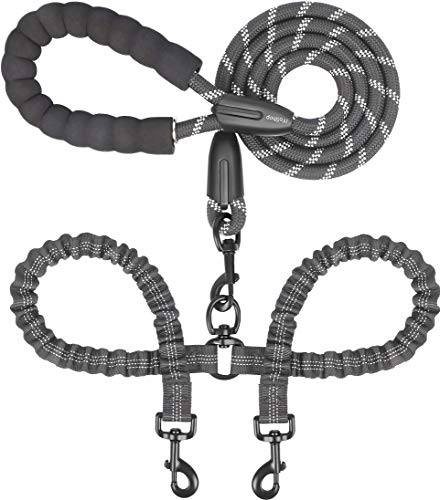
- Standard 4 to 6 foot leash for everyday use
- Waste bags and a small pouch or belt clip
- High-value treats for rewarding loose-leash walking
- ID tag and microchip information current
- Water and a collapsible bowl for longer outings
Common mistakes to avoid
- Buying by weight alone. Always check chest girth and back length against the chart.
- Leaving the harness too loose. A slipping harness reduces control and can cause escapes.
- Using a retractable leash. Long leads undo the benefit of the front clip and can cause injury.
- Walking through pulling. If the leash goes tight, stop. Continuing teaches the dog that pulling works.
- Skipping the introduction. Going straight into a long walk can make the harness feel unpleasant.
- Ignoring skin checks. Look for redness or hair loss under the straps weekly.
Tips for everyday use
- Keep one harness for daily walks and avoid switching styles too often, which can confuse your dog.
- Wash the harness regularly and let it air-dry fully to prevent odor and skin irritation.
- Check buckles and stitching before each walk, especially after rain or rough play.
- Practice in a quiet area first, then add distractions gradually.
- Keep a short session of loose-leash practice in your routine, even on busy days.
Recommended gear
The e z walk dog harness is the core product here, and it pairs well with a few everyday accessories. Owners often report better results when the rest of the setup is simple and secure.
- Standard leash: A 4 to 6 foot leash keeps the front clip effective and avoids the slack that retractable leads create. View on Amazon
- Treat pouch: A small belt-clip pouch makes rewarding loose-leash walking easy during the walk. View on Amazon
- Soft measuring tape: A flexible tailor’s tape helps you take accurate chest and neck measurements before buying or adjusting. View on Amazon
FAQ
Does an e z walk dog harness stop pulling completely?
No. It reduces pulling by turning the dog back toward you, but most dogs still need consistent training. Pair the harness with rewards for loose-leash walking for the best results.
How do I know if the harness fits?
You should be able to fit two fingers under each strap, the chest attachment should sit centered, and your dog should walk with a normal stride. Recheck after the first few walks.
Can I use it on a puppy?
Many brands offer puppy sizes, but puppies grow quickly. Check the fit often and replace the harness as the dog outgrows it. Ask your veterinarian for guidance on exercise for young dogs.
Is it safe to leave the harness on all day?
Harnesses are generally meant for walks and supervised time. Leaving any harness on for long periods can cause chafing, so remove it at home and check the skin regularly.
Why does my dog still pull with the harness on?
The harness is a tool, not a full solution. Stop walking when the leash tightens, reward slack leash, and keep sessions short while your dog learns. If problems continue, consider working with a certified trainer.
Should I use a collar and harness together?
Many owners keep an ID collar on for tags and use the harness for walks. Make sure the collar fits securely so it cannot slip over the head.
How often should I replace the harness?
Replace it when stitching frays, buckles weaken, or the padding breaks down. Regular inspection helps you catch wear before it affects safety.
Conclusion
An e z walk dog harness works best when it is measured carefully, fitted snugly, and introduced gradually. Pair it with a standard leash, stop when the lead tightens, and reward calm walking. With consistent practice, most dogs walk more comfortably and owners gain much better control on daily outings. If your dog has health concerns or pulls strongly, consult your veterinarian or a qualified trainer.
Related reading
- Wild Ones Dog Harness: How to Choose and Fit One for Daily Walks
- Walking Dog with a Harness: Step-by-Step Guide for Safe, Comfortable Walks
- Two Hounds Dog Harness: How to Choose and Fit One for Daily Walks
- Top 5 Dog Harness Clips in Fronts for Easy Walks
- Top 5 Arcadia Trail Dog Harness Picks for Daily Walks
- Top 3 Dog Leads for Harness and Collar Picks for Everyday Walks
- Step in Dog Harness: 5 Best Picks for Easy Daily Walks (2026)
Ready to choose one?
About Claire Whitaker
Claire Whitaker is part of our editorial team and reviews and edits our everyday pet gear guides, checking product details against manufacturer specifications and owner feedback.